Managing indoor temperatures in Cyprus requires a reliable approach to home climate systems. With long, intense summers and sharp winter chills, residential cooling and heating systems operate under significant stress. Ensuring these systems run efficiently involves understanding how professional maintenance works, recognizing when an upgrade is necessary, and knowing what to expect during a standard hvac service.This guide outlines the essentials of indoor climate care, focusing on practical property maintenance for residents in Nicosia, AC replacement and installation in Larnaca, and surrounding areas.
What is HVAC Service in Nicosia?
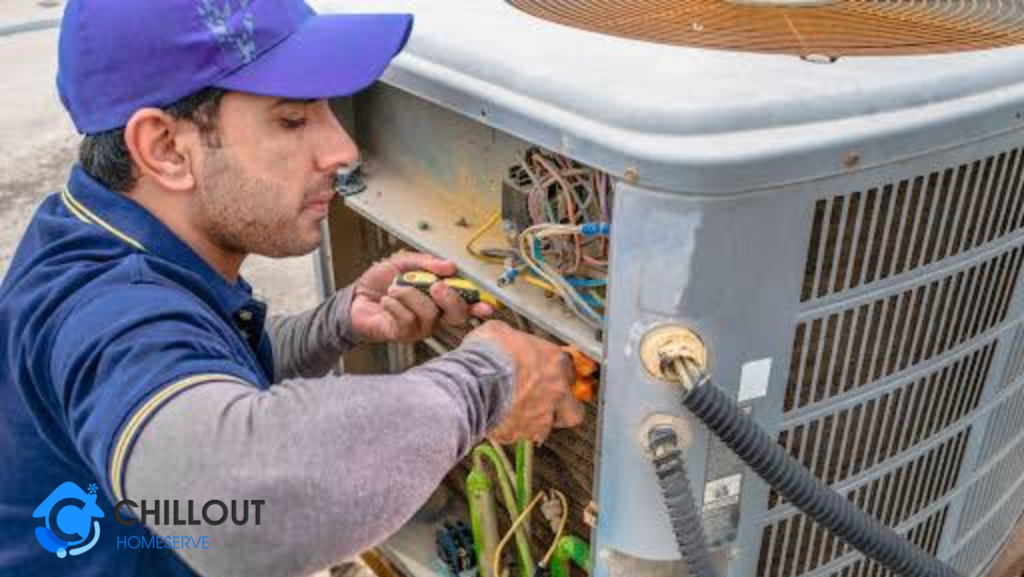
An hvac service encompasses the comprehensive care of the systems responsible for regulating temperature, humidity, and air purity inside a building. In Nicosia, where summer temperatures routinely exceed 40°C, scheduling a professional hvac service focuses heavily on ensuring cooling units can handle prolonged operational demands without failing.
A standard hvac service includes several key technical components:
- System Diagnostics: Assessing electrical connections, testing control boards, and monitoring thermostat accuracy.
- Airflow Optimization: Cleaning or replacing air filters, clearing debris from internal fans, and inspecting ductwork for structural integrity.
- Refrigerant Management: Checking pressure levels to ensure the cooling cycle operates within specified parameters, preventing unnecessary strain on the compressor.
- Hygiene and Cleaning: Sanitizing the evaporator and condenser coils to remove dust, mold, and allergens that accumulate over time.
Regular technical intervention ensures that the air circulating through a home remains clean and that the machinery draws an appropriate amount of electrical power.
Why Residents Consider AC Replacement & Installation in Larnaca
While routine maintenance preserves the operational lifespan of a cooling unit, every system eventually reaches a point where maintenance is no longer practical. Property owners frequently look into AC Replacement & Installation in Larcana due to the specific environmental and economic factors of the coastal region.
High Coastal Humidity
Larnaca’s coastal location introduces elevated humidity levels alongside high temperatures. This combination forces older cooling units to work harder to extract moisture from the air. Over time, the salt content in coastal air can also accelerate the corrosion of outdoor condenser coils, reducing heat transfer efficiency.
Energy Efficiency Shifts
Older cooling systems often utilize fixed-speed compressors that turn fully on and fully off, consuming substantial amounts of electricity. Undertaking an AC Replacement & Installation in Larcana introduces modern inverter technology, which adjusts the motor speed continuously to match the actual cooling demand. This transition significantly lowers monthly utility expenses for Cyprus households.
Technical Depletion
When a system requires frequent repairs, experiences recurrent refrigerant leaks, or relies on older, phased-out refrigerants, transitioning to a full AC Replacement & Installation in Larcana becomes the more financially sound long-term decision.
Who Requires Professional Climate System Services?
Indoor climate management is not a one-size-fits-all solution. Different types of property owners require specialized assistance based on their specific living situations.
- Long-Term Homeowners: Residents who want to protect their structural investment and maintain stable indoor utility costs year-round.
- Landlords and Property Managers: Individuals responsible for ensuring rental properties remain compliant with safety standards and comfortable for tenants during peak summer months.
- Owners of Historic or Older Homes: Properties in established residential quarters often feature outdated wiring or lack built-in ductwork, requiring specialized installation techniques that respect the building’s architecture.
- People with Respiratory Sensitivities: Households where residents manage asthma or allergies benefit directly from the deep sanitization and advanced filtration involved in professional servicing.
Benefits and Important Features of Modern Systems
Investing time in a timely hvac service or upgrading to modern equipment offers several distinct advantages for residential properties:
Balanced Power Consumption
Cooling accounts for a major portion of a household’s energy budget in Cyprus. Well-maintained systems, or newly installed inverter units, draw power predictably without spikes, keeping operational costs manageable.
Consistent Moisture Control
Properly functioning air conditioning does more than lower the temperature; it balances indoor humidity. Keeping indoor humidity between 40% and 60% prevents mold growth on walls and protects wooden furniture from warping.
Operational Longevity
A cooling unit subjected to a regular hvac service suffers less wear and tear on major components like the compressor and fan motor. This extends the lifespan of the equipment, delaying the need for capital replacement.
How the Process Works
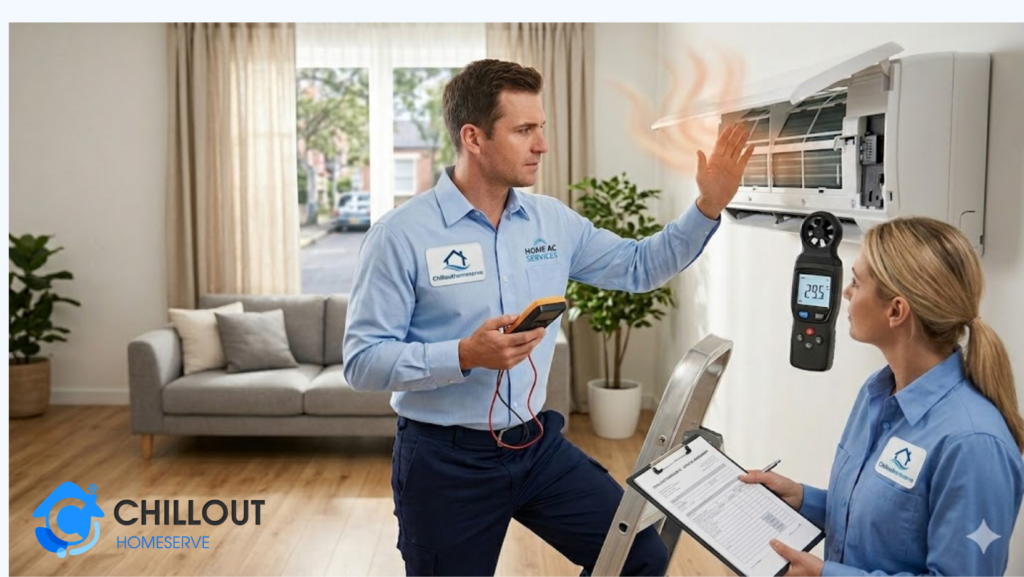
A professional approach to indoor climate care follows a structured sequence to ensure safety, regulatory compliance, and system efficiency.
1.Initial Assessment and Load Calculation:Step 1.
For installations, technicians calculate the exact cooling load required based on room volume, insulation quality, and window orientation. For servicing, a baseline performance test is conducted.
2.System Isolation and Safety Checks:Step 2.
The electrical supply is disconnected at the main breaker. Technicians verify the absence of electrical current and ensure no hazardous refrigerant leaks exist before opening the units.
3.Internal and External Component Care:Step 3.
Coils are treated with appropriate biodegradable cleaning solutions, filters are washed or replaced, and condensate drain lines are flushed to prevent indoor water leaks.
4.System Testing and Calibration:Step 4.
Power is restored, and the system is monitored through a full operational cycle. Technicians measure temperature differentials between incoming and outgoing air to confirm proper performance.
Local Experience and Area Knowledge
Operating in Cyprus requires an intimate understanding of regional building habits and climate patterns. The construction methods used in Nicosia—often involving thick concrete, stone brickwork, or modern insulated panels—impact how heat is retained and transferred.
Furthermore, local technicians delivering an hvac service must account for localized weather anomalies, such as the seasonal dust storms arriving from the surrounding regions, which can quickly clog outdoor units and compromise indoor air quality if proper filtration is not utilized.
Service Areas Covered
Reliable support is available across key residential hubs to ensure homeowners have access to assistance when temperatures peak.
- Nicosia District: Providing comprehensive system care across the capital, including central residential neighborhoods, Strovolos, Aglandjia, Lakatamia, and Engomi.
- Larnaca District: Delivering professional installation and system updates along the coastal zones, Aradippou, Livadia, and surrounding villages.
Conclusion
AC replacement and installation in Larnaca, Maintaining a balanced and healthy indoor environment requires consistent attention to your home’s mechanical systems. Staying proactive with routine checks helps prevent sudden system failures during the warmest weeks of the year. When older equipment begins to show signs of persistent wear, planning a timely replacement ensures uninterrupted comfort and more predictable energy expenses. For specialized assistance with your home systems, contacting a qualified local technician is the safest way to preserve your property’s value and comfort.
Frequently Asked Questions
How often should a residential cooling system receive an hvac service in Cyprus?
Residential units should undergo a professional hvac service at least once a year. Because of the extended summer season, scheduling this work in early spring ensures the system operates efficiently before the period of highest demand begins.
What are the indicators that an AC unit needs to be replaced rather than repaired?
Key indicators include an operating life exceeding 10 to 12 years, a noticeable and persistent increase in monthly electricity bills, the frequent breakdown of major components, or a system that still uses older, restricted refrigerants.
Why is my air conditioner blowing warm air?
This issue can stem from several factors, including a severely clogged air filter restricting airflow, a tripped circuit breaker on the outdoor unit, a malfunctioning thermostat, or a loss of refrigerant pressure. A technician can accurately diagnose the specific root cause.
Can a poorly maintained system affect indoor air quality?
Yes. Dust, pollen, and moisture accumulate inside unserviced units. This creates an environment where mold and bacteria can develop within the fan scroll and drainage tray, which are then distributed into the living space when the unit runs.