Heating and air conditioning systems help maintain comfortable indoor temperatures throughout the year. In Cyprus, air conditioning is often used during hot summers, while heating systems become important during the cooler months. When these systems are not maintained, homeowners may notice weak airflow, uneven temperatures, unusual noises, water leaks or higher energy consumption.
An HVAC Service in Cyprus: What Does a Maintenance Visit Include? visit typically involves checking the equipment, inspecting accessible components, assessing airflow and reviewing the system’s operation. The exact work depends on the type of installation, its condition and any problems reported by the property owner.
Some heating and cooling problems can also be connected to plumbing faults, hidden water leaks or moisture entering walls and floors. For this reason, understanding related services such as Plumbing, Leak Detection, Thermal Imaging & Moisture Investigation and CCTV Drain Inspection can help property owners identify the source of recurring problems.
ChillouthomeServe provides heating, cooling, plumbing and property investigation services across Cyprus, helping homeowners understand what may be affecting their systems and what attention is required.
What Does an HVAC Maintenance Visit Include?
HVAC stands for heating, ventilation and air conditioning. A maintenance visit focuses on checking whether the system is operating correctly and identifying signs of wear, restricted airflow, drainage problems or other faults.
Air Conditioning Inspection
The technician checks the air conditioning unit and its accessible components for visible damage, unusual noises, restricted airflow and signs of water leakage. Filters may need cleaning or replacement, depending on the manufacturer’s instructions and their condition.
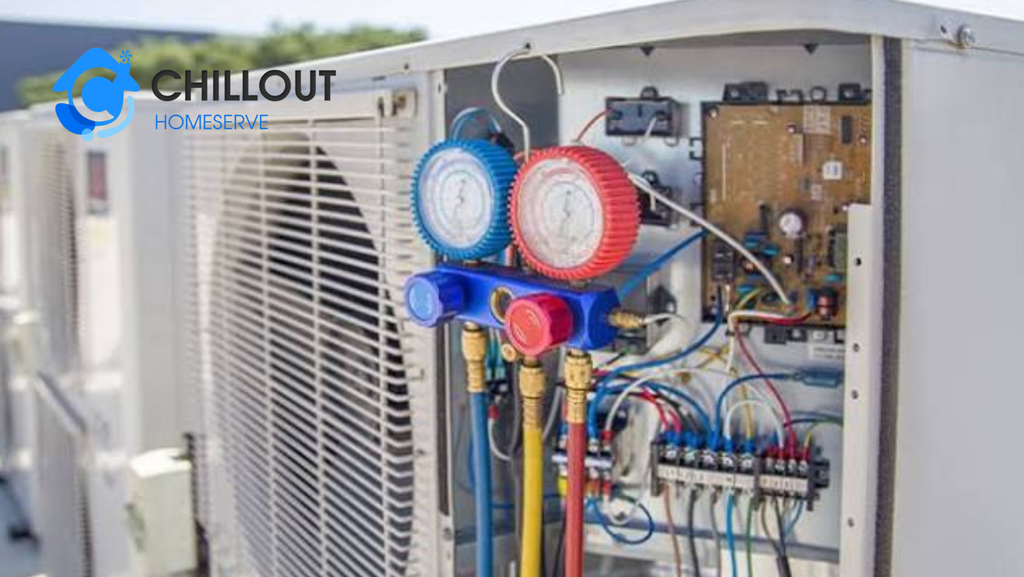
The indoor and outdoor units may also require inspection. Dust accumulation, blocked airflow or an obstructed outdoor unit can affect cooling performance. Electrical components and operating settings should be assessed by a qualified technician where required.
Heating System Checks
Heating inspections depend on the type of system installed. A visit may include checking the boiler, heat pump, circulation pump, heating controls and accessible pipework.
The technician may check whether radiators warm evenly, whether the system reaches the selected temperature and whether unusual noises indicate restricted circulation. Boiler pressure may also be reviewed against the manufacturer’s recommended range.
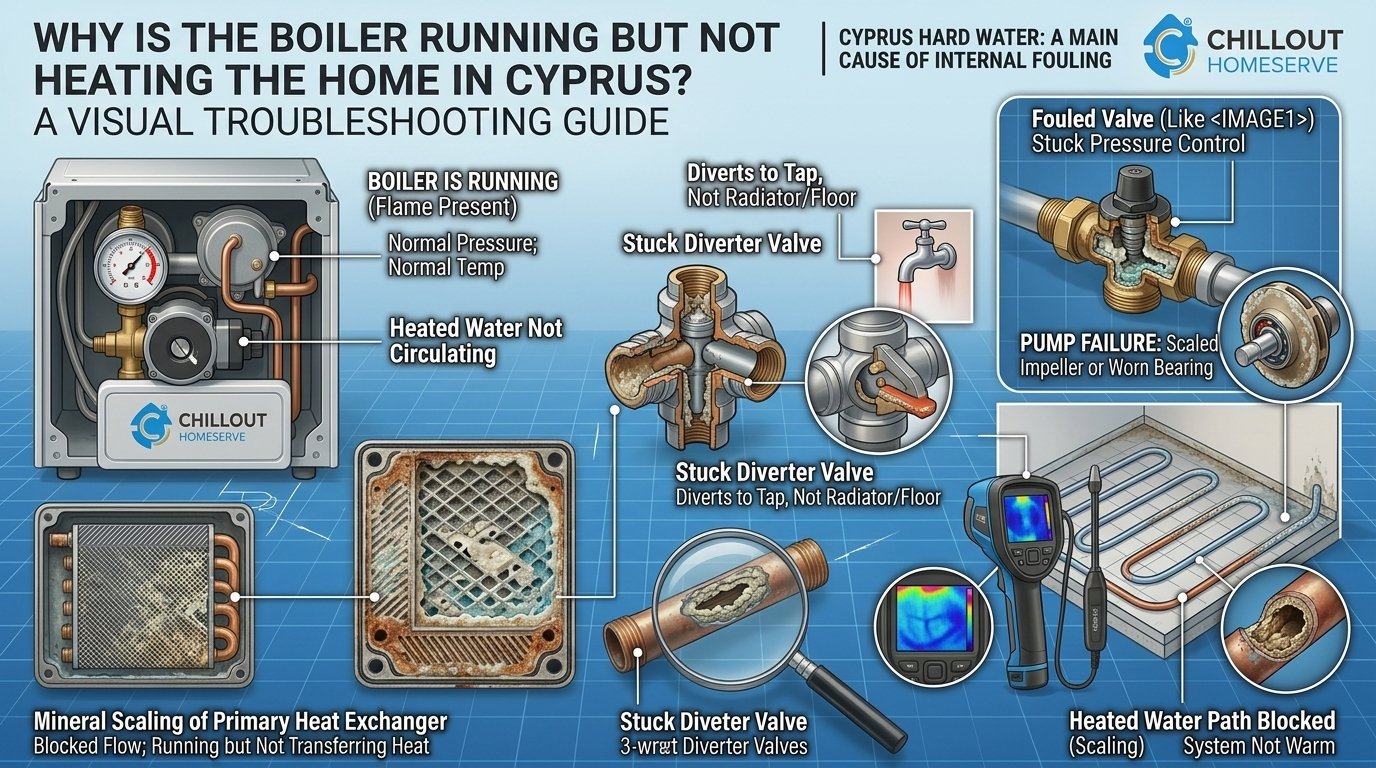
If a boiler runs but the radiators remain cold, the issue could involve trapped air, low pressure, a circulation fault or a problem with the controls. The article Why Is My Boiler Not Working? Common Causes and Solutions explains several possible reasons for this problem.
Condensate and Drainage Inspection
Air conditioning systems can produce condensation during normal operation. This water should drain away through the designated drainage route.
A blocked condensate drain can cause water to drip from an indoor unit, leave marks on walls or contribute to damp patches. During maintenance, accessible drainage components may be checked for blockages, leakage or incorrect water flow.
If water continues to appear after the unit has been checked, the source may be elsewhere in the property. A plumbing leak, damaged pipe or water ingress problem may require a separate investigation.
Why Do Homeowners Arrange HVAC Maintenance?
Many property owners arrange maintenance because they have noticed a change in the way their heating or cooling system operates. Others prefer to have equipment checked before the main cooling or heating season begins.
A unit that takes longer to cool a room, produces weak airflow or repeatedly switches off may need inspection. Unusual vibrations, persistent odours and water dripping from an indoor air conditioning unit should also be investigated.
Heating systems can show different warning signs. Radiators may heat unevenly, the boiler pressure may fall, or the heat pump may struggle to reach the requested temperature. These symptoms do not always indicate a major fault, but they should not be ignored when they continue.
Maintenance can also help identify visible deterioration, loose fittings, obstructed filters and other issues that affect system operation. It does not prevent every breakdown, and some faults only become apparent when the equipment is tested under particular operating conditions.
For landlords and property managers, keeping a record of inspections and reported faults can help track recurring problems between occupancy periods. Where an insurer requests evidence of water damage or its likely source, a separate technical investigation may be needed.
How HVAC Problems Can Be Connected to Plumbing and Hidden Leaks
Heating, cooling and plumbing systems often run through the same property. A problem that appears to involve an air conditioner or heating unit may sometimes originate in a water pipe, drainage route or concealed part of the building.
Plumbing and Leak Detection
Plumbing problems can include leaking pipe connections, damaged water supply pipes, faulty valves and water escaping from heating circuits. Signs may include damp flooring, peeling paint, unexplained water consumption or persistent moisture around pipework.
A Plumber in Nicosia may be needed when a home has a leaking pipe, a faulty water connection or a plumbing problem affecting the heating system. The source should be identified before damaged materials are repaired or replaced.
Leak Detection helps investigate water loss when the source is not immediately visible. Depending on the situation, the investigation may involve pressure testing, acoustic equipment, moisture measurements or thermal imaging.
Not every damp patch is caused by a leaking pipe. Rainwater entering through the building envelope, condensation and drainage faults can produce similar symptoms.
Thermal Imaging & Moisture Investigation
Thermal Imaging & Moisture Investigation can help assess unexplained dampness, temperature differences and possible concealed water leaks.
A thermal imaging camera records surface temperature patterns. These patterns may help identify areas that need further examination, particularly around underfloor heating, concealed pipe routes and walls affected by suspected water ingress.
However, thermal imaging does not directly see water inside a wall or confirm a leak on its own. Temperature differences can have several causes, so findings should be considered alongside moisture measurements, system checks and other relevant evidence.
This type of investigation may be useful when a homeowner notices recurring damp patches, unexplained floor temperature changes or moisture that returns after previous repairs.
CCTV Drain Inspection
Drainage problems can also affect the condition of a property. Slow-draining fixtures, recurring blockages, unpleasant smells and water backing up through drains may indicate an obstruction or damage inside the pipework.
CCTV Drain Inspection uses a specialist camera to examine accessible sections of a drainage system. The footage can help identify deposits, cracks, displaced joints, root intrusion or other visible defects, depending on the pipe’s condition and access.
A drain inspection is not a standard part of every HVAC maintenance visit. It becomes relevant when symptoms suggest that the drainage system needs a closer examination.
Who May Need an HVAC Maintenance Visit?
Homeowners may arrange an inspection when air conditioning performance changes, heating becomes uneven or water appears around indoor equipment. Regular checks can also be useful before the summer cooling season or the winter heating period.
Landlords may need to investigate complaints about weak cooling, noisy equipment, leaking pipes or damp rooms between tenancies. Identifying the cause can help determine whether the issue relates to maintenance, equipment failure or another part of the property.
Property managers may oversee homes with multiple heating, cooling and water systems. Keeping track of recurring faults, previous repairs and inspection findings can make it easier to understand whether a problem is isolated or part of a wider pattern.
Insurance-related investigations may be necessary when water damage occurs and the source is uncertain. In these cases, the appropriate investigation depends on the evidence required and the nature of the damage. A maintenance visit alone may not provide a formal report about the cause of a loss.
How the HVAC Maintenance Process Works
Step 1: Discuss the Symptoms
The process begins with a description of the problem. This may include rooms that remain too warm, radiators that fail to heat, unusual equipment noises, water around an air conditioner or recurring dampness.
Information about when the problem started and whether it occurs repeatedly can help guide the inspection.
Step 2: Inspect the Relevant Equipment
The technician examines the accessible components associated with the reported issue. Depending on the system, this may include filters, air outlets, controls, pipe connections, condensate drainage, heating circulation and visible signs of leakage.
The inspection should follow the equipment manufacturer’s instructions and appropriate safety procedures.
Step 3: Test and Investigate
Where appropriate, the system is operated and checked to understand its performance. If the initial inspection suggests a hidden leak, moisture problem or drainage fault, additional investigation may be recommended.
The method depends on the symptoms. A thermal camera may help examine temperature patterns, while moisture meters, pressure tests or CCTV drain equipment may be more suitable for other problems.
Step 4: Explain the Findings
The findings should distinguish between what has been observed, what has been tested and what remains uncertain. If a fault is identified, the next step may involve cleaning, adjustment, repair or further diagnostic work.
Where the original problem cannot be confirmed during the first visit, further testing may be needed rather than assuming a particular cause.
Local Experience Across Cyprus
Local conditions can influence how heating and cooling equipment is used. During Cyprus summers, air conditioning may operate for long periods, allowing dust accumulation and drainage problems to become more noticeable. In winter, heating systems may be used intermittently, and faults can become apparent when the equipment is switched on after a period of limited use.
Coastal exposure, outdoor dust and the position of external equipment can also affect maintenance requirements. The appropriate inspection schedule depends on the equipment, the manufacturer’s guidance and the property’s environment.
ChillouthomeServe works across several parts of Cyprus, helping property owners investigate heating, air conditioning, plumbing, moisture and drainage concerns. The relevant checks depend on the symptoms and the systems installed at each property.
Service Areas Covered
Services are available across Nicosia, Larnaca, Limassol, Protaras and Paralimni, subject to the type of work required and appointment availability.
In Nicosia, an inspection may involve heating faults, air conditioning drainage, plumbing leaks or unexplained moisture. In Larnaca and Limassol, homeowners may need help with cooling performance, water leaks or heating systems. In Protaras and Paralimni, seasonal use of air conditioning and heating can make equipment checks particularly relevant before periods of heavier use.
The investigation should always be based on the problem found at the property rather than assuming that the same cause applies in every area.
Frequently Asked Questions
Conclusion
An HVAC maintenance visit involves more than checking whether an air conditioner or heating system switches on. It can help identify restricted airflow, drainage problems, visible leaks, circulation issues and signs of equipment wear.
When symptoms point beyond the HVAC equipment, Plumbing, Leak Detection, Thermal Imaging & Moisture Investigation or CCTV Drain Inspection may help establish what is happening inside the property. Choosing the right investigation depends on the evidence and the type of fault suspected.
If your home in Cyprus has uneven heating, weak air conditioning, unexplained dampness or recurring water leaks, contact ChillouthomeServe to discuss the symptoms and arrange an appropriate inspection.