

When a home develops a leaking pipe, blocked drain, air conditioning problem, heating fault, or unexplained dampness, many property owners search for plumbing and HVAC near me. The search usually comes from a simple need: understanding what is wrong with an essential home system and finding appropriate local assistance.
In Cyprus, plumbing and HVAC systems are used throughout the year. Air conditioning is particularly important during hot weather, while plumbing, heating, drainage, and hot water systems remain part of everyday household use.
Some problems are easy to identify. A dripping tap or blocked sink may have an obvious cause. Others are more difficult. A damp wall, water stain, or wet floor may be caused by a concealed pipe, drainage problem, air conditioning condensate, or water entering from outside.
This guide explains the connection between plumbing and HVAC problems and what homeowners, landlords, property managers, and other property owners should know.
What Does Plumbing and HVAC Near Me Mean?
The phrase plumbing and HVAC near me refers to local assistance with two important areas of a property.
Plumbing relates to water supply, wastewater, drainage, toilets, sinks, showers, taps, water heaters, pipes, and associated fittings.
HVAC stands for heating, ventilation, and air conditioning. Depending on the property, HVAC equipment can include split air conditioners, heat pumps, ventilation systems, boilers, radiators, and underfloor heating.
Although plumbing and HVAC are separate systems, they can sometimes be connected through water and moisture.
For example, an air conditioner creates condensation while cooling. This moisture is normally removed through a condensate drainage pipe. If that route becomes blocked or disconnected, water can appear around the indoor unit.
Some heating systems also use water. Underfloor heating, for instance, can circulate water through concealed pipes beneath the floor.
Common Plumbing Problems in Cyprus Homes
Plumbing problems can happen in both older and newer properties.
Hidden Water Leaks
A hidden leak can occur behind a wall, beneath flooring, inside a ceiling, or around a concealed connection. The first visible symptom may be a damp patch, staining, peeling paint, or damaged flooring.
The location of the visible moisture does not always identify the source. Water can travel through building materials before appearing on a surface.
Drainage Problems
Slow drainage, repeated blockages, unpleasant smells, gurgling sounds, and wastewater backing up can indicate a drainage problem.
A restriction may be limited to one fixture or could involve a larger section of the property’s drainage system.
Bathroom Plumbing
Bathrooms contain several water and waste connections close together. Toilets, showers, sinks, taps, and drainage pipes can all develop faults.
Water around a bathroom floor may come from a leaking connection, damaged seal, blocked drainage, or another concealed source.
Kitchen Plumbing
Leaks beneath kitchen sinks are easy to overlook because pipework is often hidden inside cabinets.
A small leak can continue for a long period and eventually affect cabinets, flooring, walls, or nearby materials.
Common HVAC Problems
HVAC problems can affect comfort, indoor air quality, and the condition of the property.
Air Conditioning Faults
Common concerns include poor cooling, unusual sounds, water dripping from an indoor unit, reduced airflow, or an AC system that stops operating correctly.
Not every water leak around an air conditioner means the cooling equipment itself is damaged. Condensate drainage should also be considered.
Heat Pump Problems
Heat pumps provide heating or cooling depending on the system. A fault can involve unusual operation, poor heating performance, pressure changes, or problems with connected components.
Where a water-based system is involved, a heating fault may also require consideration of pipework and circulation.
Underfloor Heating
Underfloor heating can use concealed pipework beneath floors. If the system develops a fault, symptoms may include uneven heating, pressure changes, or other unusual behaviour.
Because much of the system is hidden, locating a problem may require a more detailed assessment.
Why Plumbing and HVAC Problems Can Be Confused
One reason property problems can be difficult to identify is that different systems can create similar symptoms.
Consider a damp patch near an air conditioning unit. It could be caused by condensate drainage, a nearby plumbing connection, external water ingress, or condensation.
Likewise, moisture around a bathroom could be caused by plumbing, drainage, water ingress, or another source.
This is why the visible symptom should not automatically be treated as the source.
A useful investigation considers the property’s layout, the location of pipework and equipment, when the problem occurs, and whether other parts of the building are affected.
Who May Need Plumbing and HVAC Assistance?
Homeowners
Homeowners may need help when a leak, drainage problem, air conditioning fault, or heating issue affects everyday use of the property.
Landlords
Landlords may encounter plumbing and HVAC faults in rental properties, particularly where a property has been vacant for an extended period.
Property Managers
Property managers may need to investigate reported problems across apartments, houses, holiday properties, or larger buildings.
Commercial Properties
Offices, shops, restaurants, accommodation properties, and other commercial buildings can have larger and more complicated plumbing and HVAC systems.
Insurance-Related Investigations
Where water damage has occurred, it may be necessary to establish the likely source and determine how water reached the affected area.
What Can Be Investigated?
A property investigation may consider several possible sources.
These can include:
- Hidden leaks
- Damp problems
- Drainage issues
- Underfloor heating faults
- Water ingress
- Air conditioning drainage
- Plumbing connections
- Heating system pipework
- Bathroom leaks
- Kitchen water leaks
The exact inspection depends on the symptoms and the construction of the property.
How the Investigation Works
The first step is usually to understand what has happened.
When did the problem begin? Is it constant or intermittent? Does it happen when the air conditioner or heating system is operating? Does it become worse after rainfall? Are other taps, toilets, or drains affected?
These details can provide useful clues.
The relevant equipment and accessible pipework can then be inspected.
For plumbing problems, this may include water supply pipes, drainage connections, toilets, sinks, showers, taps, valves, and visible pipework.
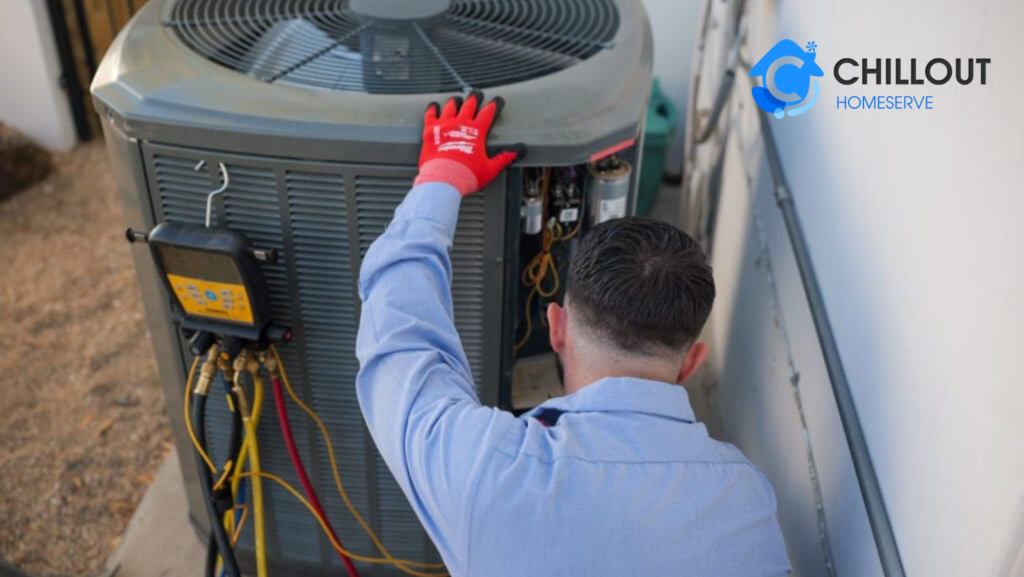
For HVAC problems, inspection may involve air conditioning units, condensate drainage, heat pumps, heating equipment, and accessible connections.
If moisture is suspected behind a wall or beneath a floor, appropriate moisture detection methods may help establish affected areas.
The aim is to understand the likely source before deciding what further work may be required.
Local Considerations in Cyprus
Cyprus has a wide variety of properties. Traditional houses, modern apartments, renovated buildings, holiday homes, and commercial premises can all have different plumbing and HVAC arrangements.
Coastal locations such as Protaras and Paralimni contain many seasonal properties. A small leak may remain unnoticed when a property is empty.
During summer, air conditioning systems can operate for long periods. Condensate drainage therefore deserves attention when water appears around an indoor AC unit.
In cooler periods, heating and heat pump systems become more important. Properties with water-based underfloor heating have concealed pipework that can require specific investigation if a fault is suspected.
Service Areas
Plumbing and HVAC problems can occur throughout Cyprus.
Common areas include:
Larnaca: Aradippou, Oroklini, Kiti, Pervolia, Lefkara and surrounding communities.
Nicosia: Anageia, Deneia, Vyzakia, Kakopetria, Pedoulas and nearby areas.
Limassol: Omodos, Arsos, Apsiou, Moniatis, Lofou and surrounding villages.
Protaras and Paralimni: Kapparis, Ayia Napa, Deryneia and Sotira.
Different properties may require different approaches, depending on their age, construction, layout, and existing systems.
Frequently Asked Questions
What does plumbing and HVAC near me cover?
It can relate to local assistance with plumbing, drainage, air conditioning, heating, ventilation, heat pumps, and related water or climate-control systems.
Can an air conditioner cause a water leak?
Yes. A blocked or damaged condensate drainage route can cause water to collect around an indoor air conditioning unit.
Can a hidden plumbing leak cause dampness?
Yes. Water from concealed pipework can travel through walls, floors, or ceilings before becoming visible.
What are common signs of a drainage problem?
Slow drainage, repeated blockages, wastewater backing up, unusual smells, and gurgling sounds can indicate a drainage restriction.
Can underfloor heating have a water leak?
Some underfloor heating systems contain water-filled pipes beneath the floor. A fault can potentially result in pressure changes, reduced heating performance, or water leakage.
Why does dampness keep returning?
Recurring dampness can have several causes, including concealed plumbing leaks, drainage problems, external water ingress, condensation, or HVAC drainage. The source needs to be investigated rather than assumed.
Conclusion
Plumbing and HVAC systems are essential to the way a property operates. When something goes wrong, the visible symptom does not always reveal the source.
Searching for plumbing and HVAC near me can be the starting point when dealing with hidden leaks, damp problems, drainage issues, underfloor heating faults, water ingress, air conditioning drainage, or heating concerns.
If you are experiencing an unexplained water or HVAC problem in Cyprus, a careful inspection can help establish where the issue is coming from and what requires attention.