
Your Boiler Replacement Necessary in the background for years, so you rarely think about it until something goes wrong. When the house turns cold in the middle of winter, the question is no longer just “Can this be fixed?” It becomes “Is it time for a boiler replacement?”
Knowing when to replace your boiler can save you money, stress, and even your safety. This guide covers seven clear warning signs, so you can decide whether to book a repair or invest in a new system.
1. Your Boiler Is Old (10-15+ Years)
Age is the first thing to check. Most boilers last between 10 and 15 years with regular servicing. After that, parts wear out faster, spare parts become harder to find, and efficiency drops.
An older boiler may still heat your home, but it often runs at 60-70% efficiency, while modern condensing boilers reach 90% or more. That gap shows up directly in your energy bills. If your boiler is over 12 years old and starting to show problems, replacement is usually the smarter long-term choice.
2. Frequent Breakdowns: Boiler Not Working Again and Again
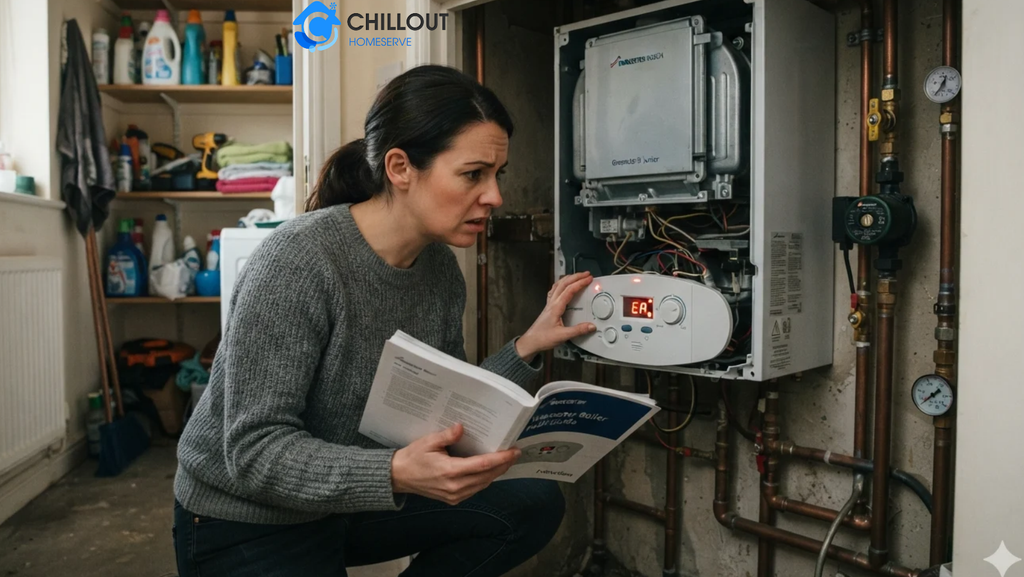
Every boiler can fail occasionally, but if you keep calling an engineer, that is a red flag. A boiler not working once in a while may be a minor fault. If it happens every few months, the system is likely reaching the end of its life.
Common causes of repeated failure include:
- Worn-out internal components
- A faulty heat exchanger
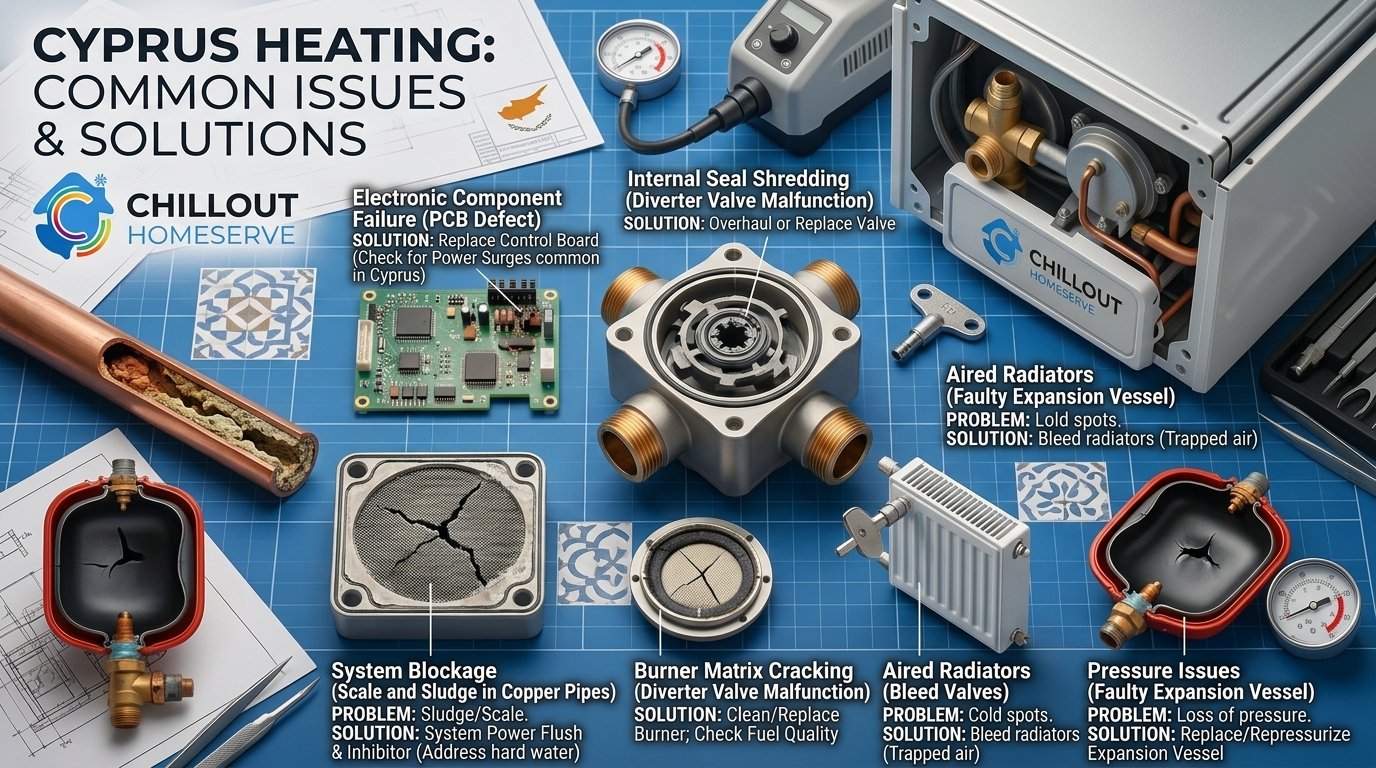
- Failing electronic controls or a broken PCB
- Ignition and thermostat faults
If you are paying for repairs several times a year, those costs add up quickly. At some point you are paying for a new boiler in small instalments without actually getting one.
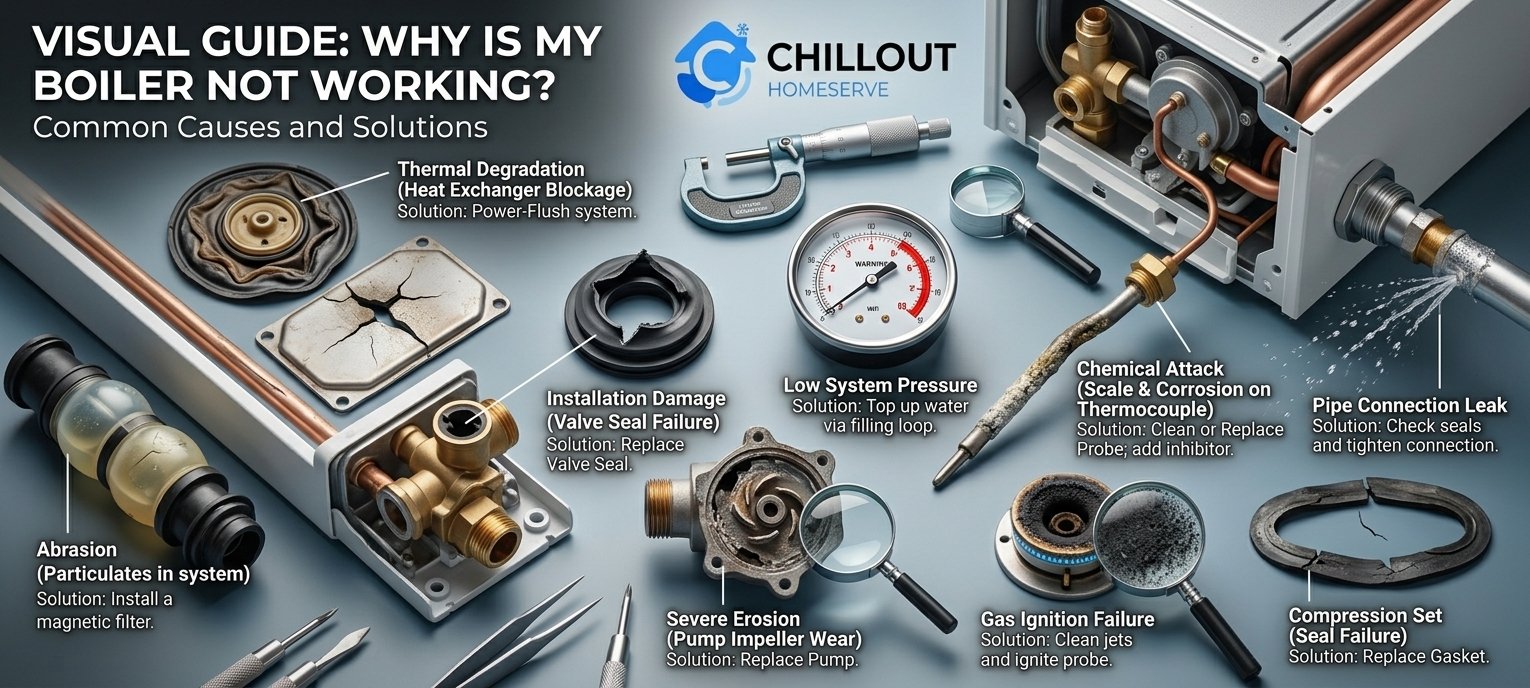
3. Boiler Losing Pressure Regularly
Most home boilers should sit at roughly 1 to 1.5 bar when the system is cold. If you find yourself topping up the pressure every week, something is wrong.
A boiler losing pressure can be caused by:
- A small leak in the pipework or a radiator valve
- A faulty pressure relief valve
- A problem with the expansion vessel
- A crack inside the boiler itself
Some causes, like a loose valve, are cheap to fix. But if the pressure loss comes from a failing heat exchanger or internal corrosion, repair costs can rival the price of a new unit. Ask an engineer to find the exact cause before spending money.
4. Boiler Water Leak
Water around your boiler should never be ignored. A boiler water leak can come from a worn seal, a loose joint, or a corroded pipe. These are often repairable.
However, a leak from the boiler’s internal parts, such as the heat exchanger or the pump housing, usually signals serious corrosion. Corrosion spreads, and patching one area rarely stops the next leak from appearing. Persistent or recurring leaks are one of the strongest signs that boiler replacement is necessary.
Leaks can also damage floors, walls, and electrical parts, so switch the boiler off and call a qualified engineer as soon as you notice one.
5. Boiler Making Noise
A healthy boiler hums softly. If yours starts making loud sounds, it is trying to tell you something. A boiler making noise may produce:
- Banging or knocking: often caused by limescale buildup or overheating
- Whistling: trapped air or a partially blocked heat exchanger
- Gurgling: air or a blockage in the system
- Vibrating: a failing pump or loose components
Some noises can be solved with a system flush or bleeding air from the pipes. But if the noise continues after servicing, or the boiler is already old, the internal wear may be too advanced to fix economically.
6. Radiator Not Heating and Uneven Warmth
If a radiator is not heating properly, the cause is not always the boiler. Cold spots at the top of a radiator usually mean trapped air, which bleeding can fix. A radiator that stays cold at the bottom often points to sludge in the system, which needs a powerflush.
The picture changes when several radiators are cold, or the whole house takes a long time to warm up even after you have bled them and flushed the system. This can mean the boiler no longer produces or circulates heat efficiently. In that case, better central heating repair may only be a temporary solution.
7. Heating Pump Problems
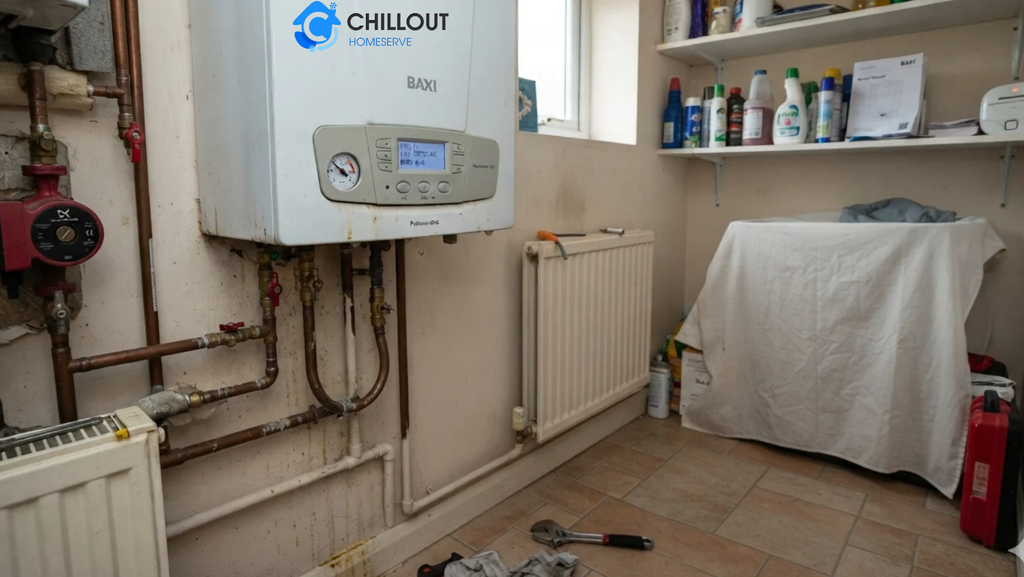
The pump pushes hot water from the boiler around your radiators. When it starts failing, you may notice lukewarm radiators, strange noises, or a boiler that overheats and shuts down.
Heating pump problems are often fixable. A new pump is a relatively affordable part, and a good engineer can replace it in a few hours. But if the pump is one of several failing components in an old boiler, replacing the whole system usually makes more financial sense than fixing part after part.
Repair or Replace? A Simple Way to Decide
Not every fault means you need a new boiler. Use these guidelines to help decide.
Repair is usually the better choice if:
- The boiler is under 8-10 years old
- The fault is a single, inexpensive part
- The boiler has been serviced every year
- This is the first major issue in a long time
Replacement is usually the better choice if:
- The boiler is over 12-15 years old
- Repairs cost more than half the price of a new boiler
- You have had multiple breakdowns in a short time
- Parts are no longer available for your model
- Your energy bills keep climbing
A common rule of thumb is the 50% rule: if the repair cost is more than half the price of a new boiler, replace it.
Safety Signs You Should Never Ignore
Some problems are not just about comfort. Call a Gas Safe registered engineer (or a licensed heating professional in your country) immediately if you notice:
- A yellow or orange flame instead of blue
- Black marks or soot around the boiler
- A smell of gas
- Symptoms such as headaches or dizziness, which may signal carbon monoxide
Never try to repair gas appliances yourself, and install a carbon monoxide alarm near your boiler.
Benefits of Replacing an Old Boiler
Choosing a new boiler at the right time brings real advantages:
- Lower energy bills thanks to higher efficiency
- More reliable heating with fewer emergency call-outs
- Better control through smart thermostats and modern programmers
- Improved safety with up-to-date technology
- Warranty protection, often 5-10 years on quality models
A new boiler is a significant upfront cost, but the savings on repairs and fuel often make up for much of it over time.
How Much Does Boiler Replacement Cost?
The cost of a new boiler depends on the type, size, brand, and installation complexity. A simple like-for-like swap is usually the cheapest option. Moving the boiler to a new location, changing the fuel type, or upgrading to a larger system will raise the price.
Keep in mind that the cheapest quote is not always the best. Ask for a written quote that includes the boiler, labour, flue, controls, and warranty. Also compare it with your yearly spending on central heating repair, because a few costly repairs can quickly justify an upgrade.
How to Make Your Boiler Last Longer
Whether you replace now or repair, good habits will protect your system:
- Service it every year. A yearly check catches small faults before they become big ones.
- Bleed your radiators. This keeps heat moving and reduces strain on the pump.
- Check the pressure monthly. Keep it within the recommended range.
- Flush the system when needed. Sludge causes cold spots and shortens the life of the pump and heat exchanger.
- Use a magnetic filter. It traps debris that would otherwise circulate through the boiler.
Frequently Asked Questions
How do I know if my boiler is beyond repair?
If it is over 12-15 years old, needs frequent repairs, or the repair cost is more than half the price of a new unit, it is usually beyond economical repair.
Can a boiler that keeps losing pressure be fixed?
Often yes. Many cases come from a minor leak or a faulty expansion vessel. But if the cause is internal corrosion, replacement is the better choice.
Is a noisy boiler dangerous?
Not always, but loud banging or whistling should be checked. It can point to limescale, trapped air, or overheating.
Should I repair a radiator that is not heating?
First bleed the radiator. If that fails, check for sludge or a faulty pump before blaming the boiler.
How long does a boiler replacement take?
Most standard installations take one to two days.
Final Thoughts
So, when is boiler replacement necessary? When your boiler is old, keeps breaking down, loses pressure, leaks, makes unusual noises, leaves radiators cold, or has repeated pump failures, and the repair costs no longer make sense.
If you notice any of these signs, do not wait for a complete breakdown on the coldest day of the year. Get your system inspected by a qualified engineer, compare the cost of repair against replacement, and make a decision that keeps your home warm, safe, and energy efficient.

2 Responses