
Air conditioning systems are part of daily life in Nicosia, especially during the long summer season in Cyprus. High daytime temperatures and extended warm periods often increase the use of cooling systems in homes, apartments, offices, and indoor public spaces. Because these systems operate frequently during warmer months, airflow issues and cooling irregularities may appear over time.
Air conditioning repair service refers to the inspection and correction of problems that affect cooling performance, airflow circulation, or temperature consistency inside HVAC systems. These issues may develop gradually because of dust accumulation, blocked airflow, moisture buildup, or long operating hours during summer.
Understanding how Drain Cleaning in Nicosia, HVAC systems function and how environmental conditions in Cyprus affect cooling equipment can help explain why regular inspection and repair are commonly discussed in urban areas such as Nicosia.
What Is Air Conditioning Repair Service in Nicosia?
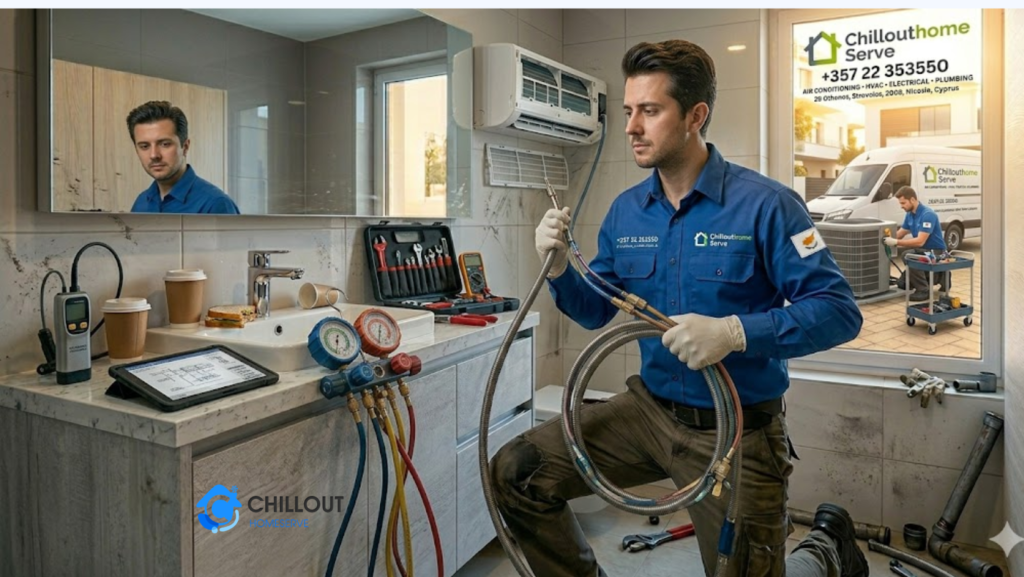
Air conditioning repair service involves identifying and correcting operational problems inside cooling systems. HVAC systems contain several interconnected parts that work together to regulate indoor temperature and airflow.
These systems may include:
- Air filters
- Evaporator coils
- Condenser units
- Refrigerant lines
- Thermostats
- Drainage systems
- Ventilation components
When one part of the system becomes restricted or damaged, overall cooling performance may change. In Nicosia, high temperatures and airborne dust are two environmental conditions that may influence HVAC operation over time.
Climate Conditions and Cooling Systems in Cyprus
Cyprus experiences long dry summers with extended periods of heat, especially in inland cities such as Nicosia. Cooling systems may operate continuously during daytime hours throughout the warmer months.
Continuous operation may affect:
- Airflow circulation
- Filter cleanliness
- Indoor humidity levels
- Cooling consistency
- Energy usage patterns
Dust exposure is another factor connected to HVAC systems in Cyprus. Dust particles may collect inside filters, vents, and airflow pathways, gradually reducing indoor air circulation.
Buildings with limited ventilation or direct sun exposure may also experience increased indoor heat retention during summer afternoons.
Common Air Conditioning Problems
Several HVAC issues are commonly associated with cooling systems exposed to continuous seasonal use.
Weak Airflow
Weak airflow may occur when filters become clogged or when airflow pathways are partially blocked. Indoor air circulation may feel reduced, especially in larger rooms or apartment spaces.
Uneven Cooling
Some rooms may remain warmer than others if airflow distribution becomes unbalanced. Vent positioning, insulation conditions, and duct restrictions may influence indoor temperature differences.
Water Leakage
Air conditioning systems naturally produce condensation during cooling cycles. If drainage pathways become blocked, water may accumulate around indoor units.
Moisture-related concerns are sometimes also discussed alongside broader building maintenance topics, including plumbing-related searches connected to terms such as Plumber Limassol.
Unusual Sounds
Buzzing, rattling, or vibration sounds may appear when internal components experience wear or airflow becomes restricted.
Warm Air Instead of Cool Air
Reduced cooling may occur if refrigerant circulation changes or if airflow restrictions affect heat transfer inside the system.
Indoor Airflow and Ventilation
Indoor airflow is an important part of HVAC operation. Air conditioning systems continuously move indoor air through filters and cooling components before redistributing it throughout the building.
Restricted airflow may influence:
- Cooling balance
- Indoor temperature consistency
- Air circulation patterns
- Dust movement indoors
Ventilation design may also affect how indoor spaces respond to heat during summer conditions in Cyprus.
Air Filters and Dust Accumulation
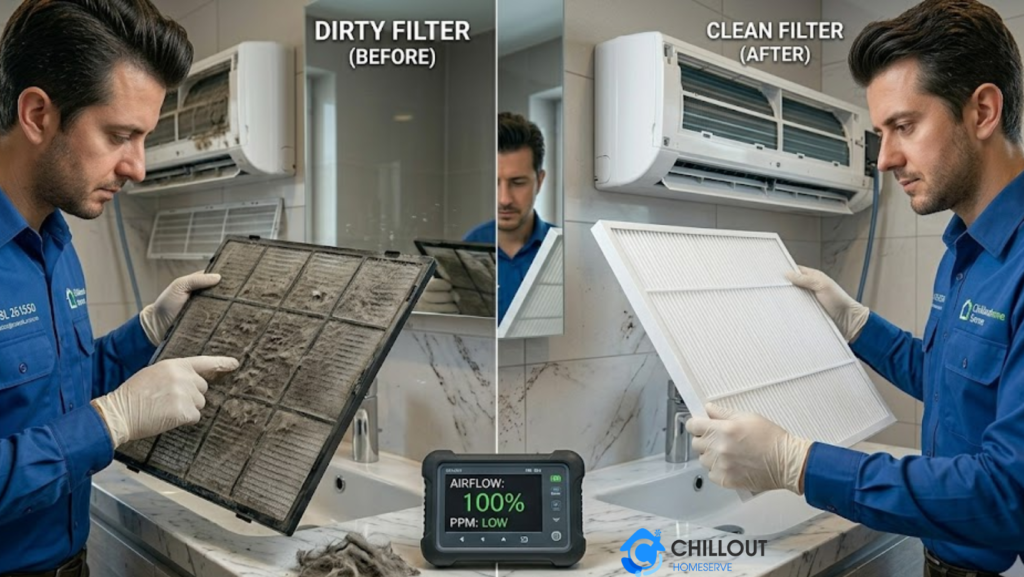
Air filters help collect airborne particles before indoor air passes through the cooling system. Over time, filters may accumulate:
- Dust
- Pollen
- Fine particles
- Indoor debris
When filters become heavily clogged, airflow circulation may decrease. This may place additional strain on cooling components during periods of continuous use.
Environmental dust exposure is relatively common in parts of Cyprus during dry seasonal conditions, making filter inspection an important part of HVAC maintenance discussions.
Refrigerant and Cooling Performance
Refrigerant helps transfer indoor heat outside the building during cooling cycles. Changes in refrigerant pressure or circulation may affect indoor temperature stability.
Cooling irregularities linked to refrigerant conditions may include:
- Longer cooling cycles
- Reduced cooling output
- Uneven indoor temperatures
Modern HVAC systems are designed to maintain more stable temperature regulation while reducing unnecessary cooling strain.
Building Design and Indoor Temperature
Cooling efficiency is also connected to building structure and indoor layout.
Several factors may influence indoor climate conditions:
Sun Exposure
Buildings exposed to direct afternoon sunlight may retain indoor heat for longer periods.
Ventilation Layout
Airflow circulation may change depending on window placement, room layout, and ventilation pathways.
Insulation Conditions
Insulation materials influence how quickly indoor temperatures rise or decrease during summer.
Apartment Structures
Multi-story buildings and apartment blocks in Nicosia may experience different airflow patterns depending on orientation and building density.
Modern HVAC Systems in Cyprus
Many modern cooling systems now include energy-management and airflow-regulation features.
Inverter Technology
Inverter systems regulate compressor speed based on indoor temperature conditions rather than continuously operating at maximum output.
Smart Thermostats
Some HVAC systems now include programmable temperature controls designed to maintain stable indoor conditions.
Zoned Cooling
Zoned systems allow different indoor areas to maintain separate temperature settings.
Improved Air Filtration
Modern systems may include enhanced filtration systems designed to improve indoor airflow conditions.
Why Environmental Conditions Matter
Environmental conditions in Cyprus often influence HVAC maintenance frequency and cooling performance.
Common Factors Include:
- Dry seasonal weather
- Dust exposure
- High outdoor temperatures
- Long cooling periods
- Indoor humidity variations
Because cooling systems operate frequently during warmer months, airflow restrictions and moisture conditions may appear gradually over time.
Conclusion
Air conditioning repair service is closely connected to indoor climate conditions, airflow circulation, and cooling performance in Nicosia. Long summer seasons, high temperatures, and environmental dust exposure may gradually influence how HVAC systems operate throughout residential and urban spaces in Cyprus.
Understanding airflow behavior, moisture conditions, ventilation patterns, and HVAC components may help explain why cooling systems experience operational changes over time. As building design and climate conditions continue evolving across Cyprus, indoor cooling systems remain an important part of everyday life in homes, apartments, and office environments.
Frequently Asked Questions
Why does airflow become weaker over time?
Weak airflow may develop when filters collect dust or when vents become partially restricted.
Why do some rooms stay warmer than others?
Uneven cooling may result from ventilation layout, airflow imbalance, or insulation differences between rooms.
What causes water leakage near indoor AC units?
Blocked drainage pathways may prevent condensation from flowing correctly through the system.
Can dust affect HVAC performance in Cyprus?
Yes. Dust exposure may affect airflow circulation and filter cleanliness during dry seasonal conditions.
Why do HVAC systems run longer during summer?
Higher outdoor temperatures increase indoor heat levels, causing cooling systems to operate for longer periods.