
A reliable boiler helps maintain comfortable indoor temperatures and provides hot water for everyday household activities. However, heating systems can develop problems over time, especially when components experience wear, pressure changes, or restricted water circulation. Regular Boiler Servicing in cyprus helps identify these concerns before they affect normal heating performance.
In Cyprus, property owners may encounter problems such as Boiler not heating Cyprus, inconsistent radiator temperatures, or Boiler losing pressure Cyprus. Some heating concerns are also connected to wider plumbing and ventilation conditions.
For example, homeowners researching HVAC Service in Nicosia: Understanding Uneven Room Temperatures may discover that uneven heating involves several possible causes, including circulation problems, thermostat settings, and insulation differences.
Other related services include HVAC Service in Cyprus, HVAC repair Cyprus, HVAC service Nicosia, HVAC water leak Cyprus, and Commercial HVAC maintenance Cyprus.
Household plumbing concerns such as Leaking Tap Repair, Dripping Tap Repair, and Mixer Tap Repair may also require attention when water pressure or plumbing connections are affected.
At ChillouthomeServe, boiler inspections and plumbing investigations focus on understanding system conditions, identifying faults, and supporting appropriate maintenance decisions.
Why People Choose Boiler Servicing in Cyprus
Boilers contain several components that work together to heat water and distribute warmth through a property. These include circulation pumps, temperature sensors, pressure controls, heat exchangers, valves, and pipe connections.
When one component develops a problem, the system may become less efficient or stop operating normally.
Regular servicing helps identify changes in boiler performance and provides a clearer understanding of the system’s condition.
1. Changes in Heating Performance
A boiler may continue operating while producing less heat than expected. This can happen because of circulation restrictions, thermostat problems, or component wear.
An inspection helps determine whether the issue originates within the boiler or elsewhere in the heating system.
2. Unexpected Pressure Changes
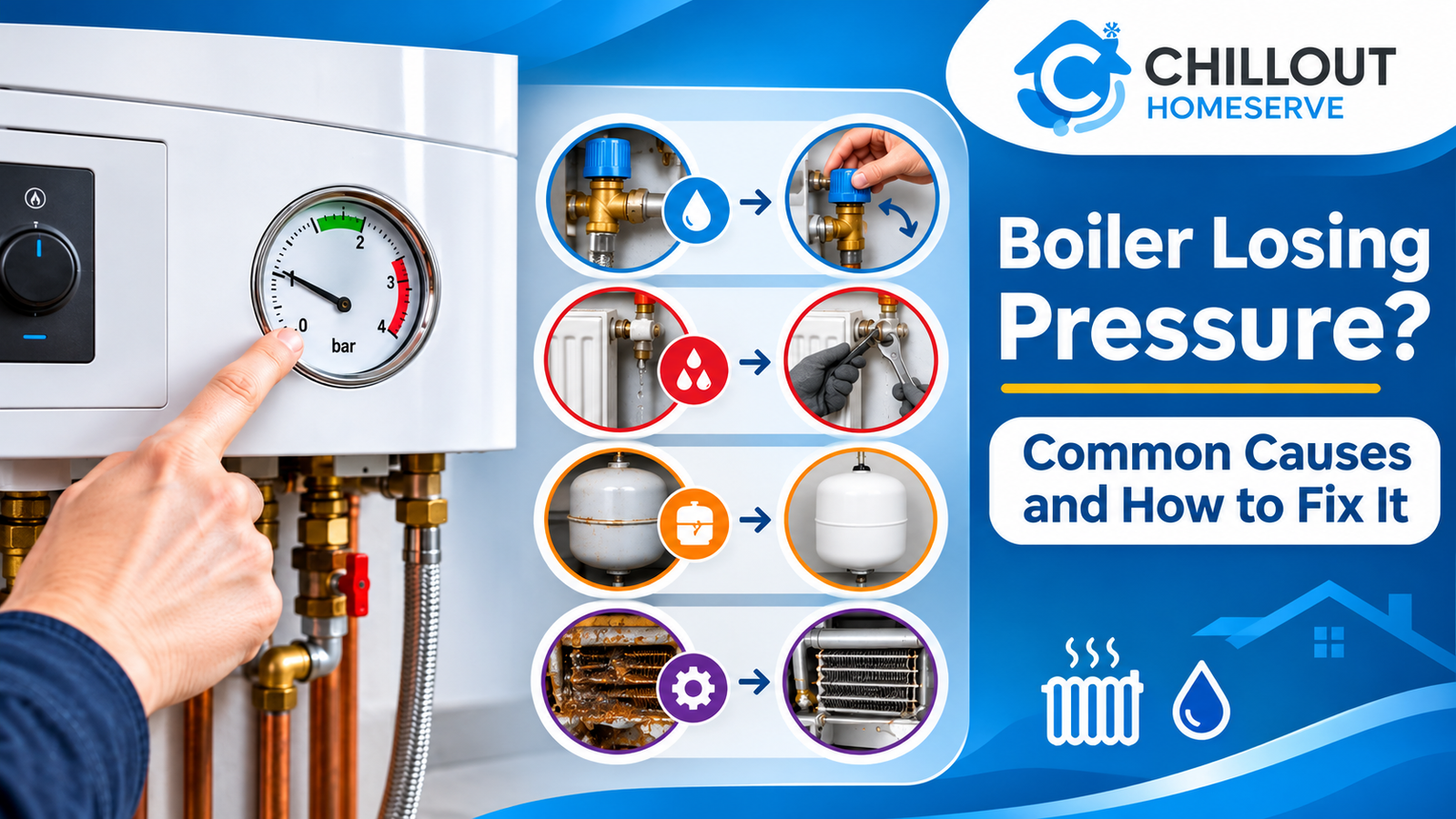
Boiler pressure can fluctuate slightly during normal operation. However, repeated pressure loss may indicate a leak, expansion vessel problem, or pressure relief valve fault.
A qualified technician can examine these components and investigate the cause.
3. Unusual Operating Noises
Banging, whistling, or gurgling sounds may develop because of trapped air, circulation problems, or deposits inside the heating system.
Identifying the source is important before deciding whether maintenance or repair is necessary.
4. Hot Water Problems
In properties with combination boilers, problems affecting internal valves, sensors, or heat exchangers may interrupt hot water delivery.
A professional assessment helps distinguish boiler faults from issues involving taps, water supply, or plumbing connections.
Who May Need Boiler Servicing?
Different properties have different heating requirements. The need for servicing depends on system age, operating conditions, maintenance history, and manufacturer guidance.
Homeowners
Homeowners may arrange boiler inspections when heating becomes inconsistent, hot water temperatures fluctuate, or unusual noises develop.
Routine checks also help identify potential maintenance requirements before colder weather.
Landlords
Landlords are responsible for maintaining suitable heating arrangements in rental properties according to applicable requirements.
Boiler servicing helps document system condition and identify repairs that may be needed between tenancies.
Property Managers
Property managers often coordinate heating maintenance across several residential buildings.
A documented inspection provides useful information about boiler condition, outstanding faults, and recommended maintenance.
Commercial Properties
Offices, educational facilities, and other buildings may use larger or more complex heating systems.
Commercial boiler maintenance may involve additional controls, circulation equipment, and scheduled inspections based on system design and applicable regulations.
Insurance-Related Investigations
When water damage occurs near a heating installation, an inspection may help establish whether a boiler component, pipe connection, or nearby plumbing system contributed to the incident.
Technical findings can support maintenance records and insurance-related documentation, although the cause of damage must be established through appropriate investigation.
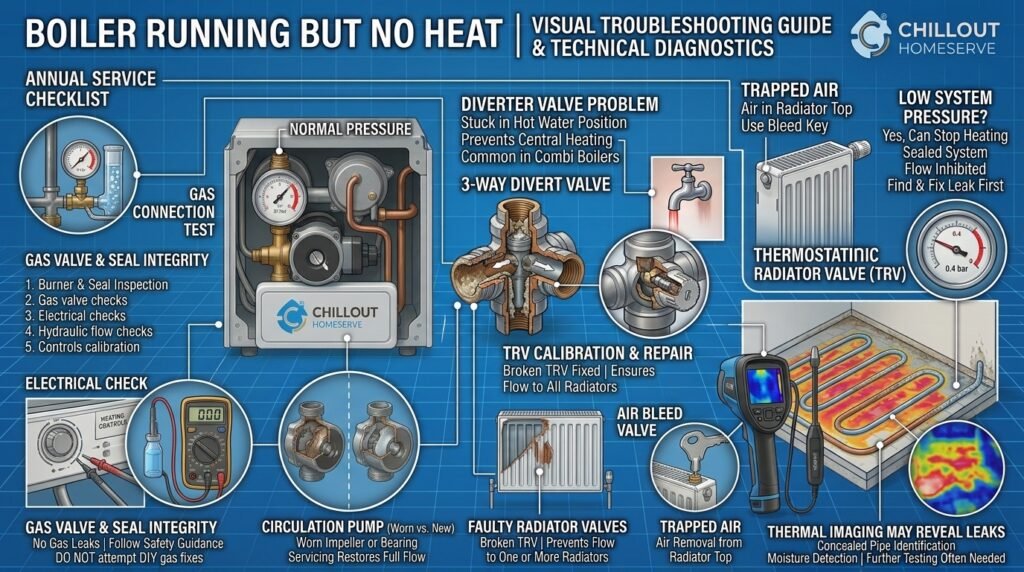
Benefits and Important Features of Boiler Servicing
Heating System Reliability
Regular inspections can reveal developing faults before they cause an unexpected interruption.
Technicians may examine the boiler’s controls, circulation equipment, and accessible connections to identify components requiring attention.
Water Pressure Assessment
A boiler depends on suitable operating pressure to circulate heated water.
Pressure checks can help identify abnormal changes and determine whether further investigation is necessary.
Energy Performance
Restricted circulation, incorrect controls, or poorly maintained components may increase energy consumption.
Servicing can identify maintenance issues that affect system operation, although actual energy savings depend on the condition and design of the installation.
Safety Checks
Boiler inspections may include examination of relevant safety controls, ventilation arrangements, and combustion-related components where applicable.
Gas boiler work must be carried out by appropriately qualified professionals in accordance with local requirements and manufacturer instructions.
Maintenance Documentation
A service record may include inspection findings, operating observations, identified faults, and recommendations.
These records are particularly useful for landlords and property managers responsible for multiple installations.
How the Boiler Servicing Process Works
The exact servicing procedure depends on the boiler type, manufacturer, and installation.
A typical inspection may involve the following stages.
Step 1: Initial System Assessment
The technician discusses any reported problems, including heating interruptions, unusual sounds, pressure loss, or inconsistent hot water.
Previous maintenance records may also help identify recurring concerns.
Step 2: Visual Inspection
Accessible boiler components, pipe connections, valves, and surrounding areas are examined for corrosion, moisture, deterioration, or visible damage.
The inspection may also consider ventilation and installation conditions.
Step 3: Pressure and Circulation Checks
System pressure is assessed according to the manufacturer’s recommended operating range.
The technician may also investigate circulation problems affecting radiators, underfloor heating, or connected pipework.
Step 4: Controls and Component Testing
Thermostats, sensors, pumps, and relevant safety controls may be checked as appropriate for the boiler.
Any required gas-related testing must follow the applicable technical and safety procedures.
Step 5: Findings and Maintenance Recommendations
After the inspection, the technician explains the findings and identifies any components requiring repair, replacement, or further investigation.
Servicing does not automatically include every repair. Additional work may be necessary depending on the fault.
Boiler Servicing and Hidden Water Leak Investigations
Not every boiler problem originates inside the appliance.
Water leaks elsewhere in the heating network can affect system pressure and performance.
ChillouthomeServe can be consulted about related plumbing investigations involving the following concerns.
Hidden Leaks
Water may escape from concealed heating pipes beneath floors or behind walls.
Repeated pressure loss, damp patches, or unexplained moisture may indicate that further leak detection is required.
Damp Problems
Persistent moisture near heating pipes or boiler connections can affect surrounding plaster, flooring, and building materials.
A moisture investigation helps distinguish plumbing leaks from condensation or other sources of dampness.
Drainage Issues
Boiler condensate drainage and nearby plumbing systems may develop blockages or connection problems.
The relevant drainage arrangement should be examined to identify the cause.
Underfloor Heating Faults
Underfloor heating systems depend on suitable circulation and balanced water flow.
Problems with manifolds, valves, pumps, or concealed pipes can produce uneven floor temperatures.
Water Ingress Problems
Water entering a building may originate from external defects, plumbing leaks, or heating installations.
An investigation should consider the available evidence before attributing moisture damage to a particular source.

Local Experience and Area Knowledge in Cyprus
Heating requirements in Cyprus differ from those in countries with longer, colder winters.
Many properties use air conditioning systems for heating, while others rely on boilers, radiators, or hydronic underfloor heating.
Some homes combine several heating methods.
In Nicosia, older residential buildings may have different pipe layouts and insulation conditions from recently constructed properties.
Coastal locations such as Larnaca and Limassol may also expose external equipment and fittings to humid, salt-laden air.
These environmental and building differences are relevant when examining heating performance, corrosion, pipework, and maintenance requirements.
For further information about related heating and cooling systems, visit ChillouthomeServe’s website.
Service Areas Covered in Cyprus
Boiler servicing and related plumbing investigations may be relevant to properties across:
- Nicosia: Boiler pressure concerns, heating inspections, and hot water problems.
- Larnaca: Boiler maintenance, pipe connections, and residential heating faults.
- Limassol: Heating system inspections, circulation problems, and plumbing investigations.
- Protaras: Seasonal property heating checks and hot water system assessments.
- Paralimni: Boiler maintenance concerns, pressure changes, and water leak investigations.
Service availability for individual locations and boiler types should be confirmed directly with ChillouthomeServe.
Frequently Asked Questions About Boiler Servicing
1. How often should a boiler be serviced in Cyprus?
Many boiler manufacturers recommend annual servicing. However, the appropriate interval depends on the boiler type, manufacturer instructions, usage, and applicable local requirements.
2. Why does my boiler keep losing pressure?
Repeated pressure loss may result from leaking pipes, faulty valves, expansion vessel problems, or other heating system defects. A qualified technician should investigate recurring pressure changes.
3. Can a boiler work without providing hot water?
Yes. Some boiler faults affect hot water production while central heating continues operating. Possible causes include diverter valve problems, sensors, or heat exchanger faults.
4. What causes uneven heating in different rooms?
Uneven heating may result from restricted circulation, trapped air, radiator balancing issues, thermostat settings, insulation differences, or underfloor heating faults
Conclusion
Boiler servicing is an important part of maintaining reliable heating and hot water in Cyprus. Changes in pressure, unusual noises, uneven temperatures, and recurring heating interruptions can indicate that a system requires attention.
Understanding these problems helps homeowners, landlords, and property managers make informed maintenance decisions.
Regular inspections can also identify related concerns involving hidden leaks, underfloor heating, plumbing connections, and water damage.
For information about Boiler Servicing in Cyprus, heating system inspections, and related plumbing investigations, visit ChillouthomeServe to discuss the symptoms affecting your property and the appropriate next steps.

One Response