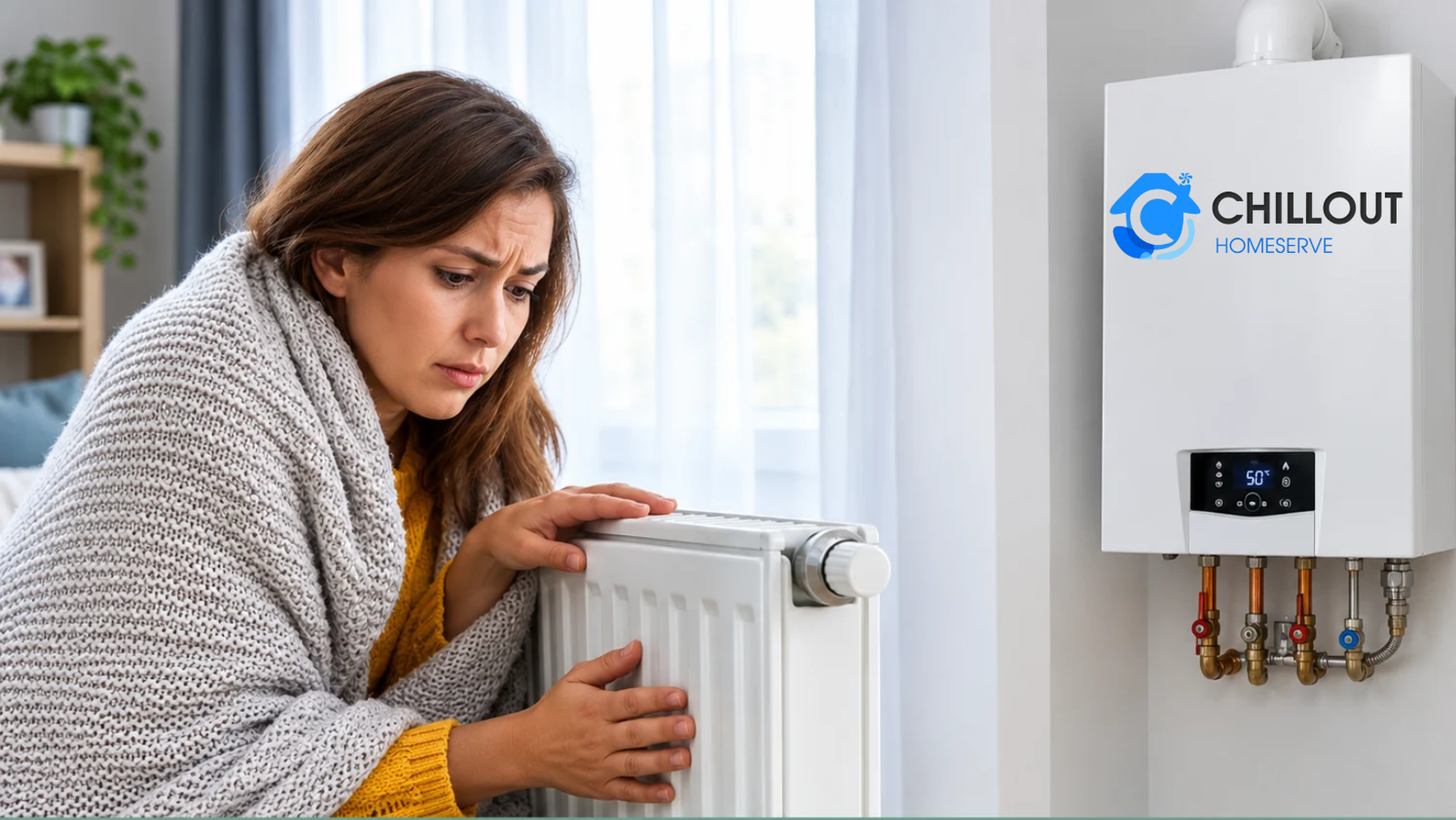
A boiler that repeatedly loses pressure can make everyday heating less reliable. Radiators may take longer to warm up, hot water performance may change, and the boiler may stop operating when the pressure falls below its required level. For homeowners and landlords, understanding why this happens is an important part of maintaining a dependable heating system.
If you are dealing with boiler losing pressure Cyprus concerns, the cause may involve a small water leak, an expansion vessel fault, a pressure relief valve, or a problem within the heating circuit. Some properties also experience boiler not heating Cyprus issues when system pressure becomes too low.
Regular Boiler Servicing can help identify developing faults. Plumbing problems such as those discussed in Leak Detection: How to Identify and Resolve a Leaking Tap may also indicate that other parts of the property’s water system need attention. Depending on the installation, Leaking Tap Repair, Dripping Tap Repair, and Mixer Tap Repair may form part of a wider plumbing inspection.
In properties with connected heating and cooling equipment, HVAC water leak Cyprus, HVAC repair Cyprus, HVAC service Nicosia, and Commercial HVAC maintenance Cyprus may also be relevant to overall system maintenance.
Understanding where pressure is being lost is the first step toward addressing the underlying problem.
Why Do People Investigate Boiler Pressure Problems in Cyprus?
Boiler pressure plays an important role in the operation of a sealed central heating system. It helps water circulate through radiators, pipework, and other connected heating components.
When pressure falls repeatedly, simply adding more water may not resolve the underlying issue.
Property owners commonly arrange an investigation because:
- Radiators are not heating consistently.
- The boiler pressure gauge keeps dropping.
- Heating stops unexpectedly.
- Water appears around pipe connections or valves.
- Damp patches develop near heating pipework.
- Pressure rises sharply when the heating is operating.
- The boiler displays a low-pressure fault.
In Cyprus, some heating systems remain unused for extended periods during warmer weather. When they are operated again, existing problems with seals, valves, or pipe connections may become noticeable.
Identifying these faults early can help prevent further water damage and interruptions to heating.
Common Causes of a Boiler Losing Pressure
1. Water Leaks in the Heating System
A water leak is one possible explanation for repeated pressure loss.
Leaks may develop around radiator valves, pipe joints, circulation equipment, or concealed heating pipes.
Some are visible, while others occur beneath floors or inside walls.
Possible indicators include:
- Damp patches near radiators
- Discoloured plaster
- Moisture beneath flooring
- Water around exposed pipe connections
- Repeated pressure loss without an obvious cause
Hidden leaks may require specialist investigation before repairs can be planned.
For additional information, visit Leak Detection and Repair in Cyprus.
2. Expansion Vessel Problems
An expansion vessel accommodates changes in water volume as the heating system warms up.
If the vessel loses its air charge or its internal membrane fails, system pressure may rise excessively during heating and fall after the system cools.
A technician can check the vessel and determine whether adjustment or replacement is required.
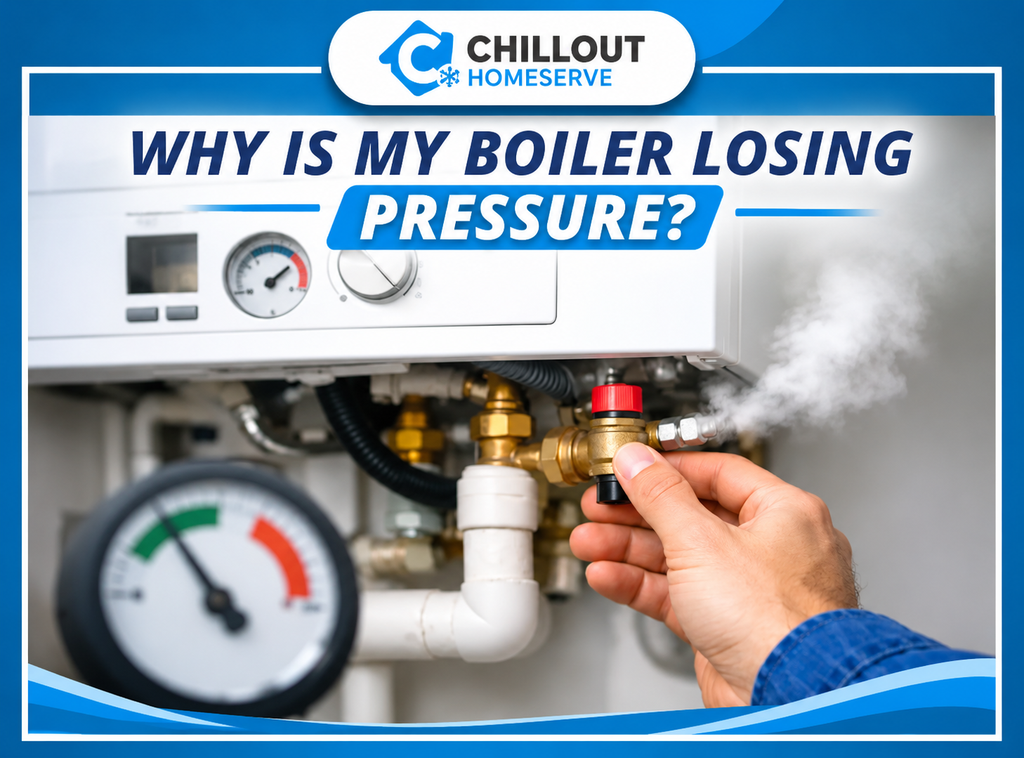
3. Pressure Relief Valve Discharge
A pressure relief valve protects the boiler from excessive pressure.
If the valve opens or fails to reseal correctly, water may escape through the discharge pipe.
This can result in a gradual reduction in system pressure.
A technician should investigate the reason for discharge rather than simply replacing the valve without checking the rest of the system.
4. Radiator Valves and Pipe Connections
Small leaks around radiator valves and heating pipe connections can develop gradually.
They may not produce enough water to form a noticeable puddle, particularly where moisture evaporates from warm surfaces.
Checking accessible connections can help identify possible problem areas.
5. Underfloor Heating Leaks
Some Cyprus properties use water-based underfloor heating systems.
A leak within the heating circuit can be difficult to locate because the pipework is concealed beneath the floor.
Pressure testing, thermal imaging, and other suitable diagnostic methods may help narrow down the affected area.
Not every pressure problem indicates an underfloor heating leak. The boiler and accessible components should also be assessed.
Who May Need Boiler Pressure Investigation?
Different property users may encounter boiler pressure problems for different reasons.
Homeowners
Homeowners may notice pressure changes during everyday heating or hot water use. Investigating repeated pressure loss helps establish whether the problem involves the boiler or connected pipework.
Landlords
Landlords responsible for rented accommodation may need to investigate heating faults reported by tenants, particularly when the boiler repeatedly stops operating.
Property Managers
Property managers overseeing several residential units may need documented inspections to understand recurring heating problems and coordinate maintenance.
Commercial Properties
Offices, accommodation buildings, and other commercial premises may use larger or more complex heating installations. Their maintenance requirements depend on the equipment and system design.
Insurance-Related Investigations
Where water damage is suspected, an inspection may help establish the location and possible source of a leak.
Technical findings can support the documentation process, although insurance coverage and claim decisions remain the responsibility of the insurer.
Benefits of Identifying the Cause of Pressure Loss
Investigating the underlying fault provides a clearer understanding of the heating system’s condition.
Important benefits include:
- More reliable heating: Addressing the cause can reduce repeated low-pressure interruptions.
- Reduced water damage: Finding hidden leaks may help limit moisture damage to floors, walls, and ceilings.
- Better maintenance planning: Understanding the fault helps determine which components need attention.
- Improved system monitoring: Pressure readings can provide useful information about recurring problems.
- Clearer repair decisions: A diagnosis helps distinguish between boiler component faults and pipework leaks.
The appropriate repair depends on the equipment, its condition, and the findings of the inspection.
How Does Boiler Pressure Investigation Work?
Step 1: Review the Pressure History
A technician may begin by asking when the pressure drops, how frequently it happens, and whether the boiler displays any fault messages.
Pressure readings when the system is cold and when it is operating can provide useful diagnostic information.
Step 2: Inspect Accessible Components
The inspection may include the boiler connections, radiator valves, visible pipework, pressure relief discharge, and other accessible components.
Any visible moisture or corrosion may help identify the affected area.
Step 3: Assess the Expansion Vessel and Pressure Controls
The expansion vessel, pressure gauge, and associated controls may need testing to establish whether they are functioning correctly.
Step 4: Investigate Concealed Leaks
If no obvious fault is found, further testing may be appropriate.
Depending on the system, this could involve pressure testing, moisture measurements, or thermal imaging.
These methods help investigate hidden leaks, damp problems, water ingress, and underfloor heating faults.
Step 5: Identify the Required Repair
Once the likely cause is established, the appropriate repair can be discussed.
This may involve a valve, pipe connection, expansion vessel, or another component.
Step 6: Check System Operation
After repairs, the heating system should be checked under suitable operating conditions to assess pressure stability and general performance.
Boiler work involving gas, combustion components, or safety controls should be carried out by appropriately qualified professionals.
Local Experience and Heating Systems in Cyprus
Heating arrangements vary across Cyprus.
Some properties use wall-mounted boilers with radiators, while others have underfloor heating or combined heating and hot water installations.
Older buildings may contain pipework that has undergone several repairs or alterations. Newer properties may have concealed distribution systems that require different investigation methods.
Seasonal use is another consideration. Heating equipment may operate infrequently during summer, with problems becoming apparent when temperatures fall.
ChillouthomeServe provides information about plumbing, heating, and property maintenance concerns in Cyprus. Understanding the type of installation and the property’s history is important when investigating repeated boiler pressure loss.
Related maintenance topics include Boiler Servicing in Cyprus and Why Is My Boiler Not Working?.
Service Areas Covered in Cyprus
Boiler pressure concerns can affect residential and commercial properties throughout the island.
Nicosia
Properties in Nicosia may have radiator systems, concealed pipework, or combined heating installations. Repeated pressure loss should be investigated according to the specific system design.
Larnaca
Homes and managed accommodation in Larnaca may experience heating faults following periods of limited seasonal use.
Limassol
Apartments, family homes, and managed buildings in Limassol can have different boiler arrangements and maintenance requirements.
Protaras
Holiday accommodation in Protaras may have heating equipment that remains unused for parts of the year. A system check can help identify problems before regular use resumes.
Paralimni
Residential properties in Paralimni may require investigation of radiator connections, boiler components, or hidden heating pipework.
Service availability for individual locations should be confirmed directly with ChillouthomeServe.
Frequently Asked Questions
What causes a boiler to lose pressure in Cyprus?
Common causes include leaks in heating pipes, faulty radiator valves, expansion vessel problems, and water escaping through the pressure relief valve. A technician can investigate the system to determine the cause.
Is it normal for boiler pressure to drop?
A small variation can occur as the system heats and cools. However, repeated pressure loss that requires frequent refilling is not normal and should be investigated.
What pressure should a boiler have?
Many domestic sealed heating systems operate at approximately 1–1.5 bar when cold, but the correct range depends on the boiler and installation. Always follow the manufacturer’s instructions.
Can a hidden water leak cause low boiler pressure?
Yes. Water escaping from concealed heating pipes or underfloor heating circuits can gradually reduce pressure, even when no visible leak is present.
Why does boiler pressure drop overnight?
Pressure may fall as the system cools, but a substantial or recurring drop can indicate a leak, expansion vessel problem, or another fault.
Conclusion
A boiler losing pressure in Cyprus may be experiencing a minor connection leak, an expansion vessel problem, pressure relief valve discharge, or a concealed heating pipe fault.
Understanding the cause is important because repeated refilling does not address the underlying issue.
Homeowners, landlords, property managers, and commercial property operators can benefit from a structured inspection that considers both the boiler and its connected heating system.
For information about boiler servicing, hidden leak investigations, and related plumbing concerns, visit ChillouthomeServe to discuss the symptoms and determine whether an inspection is appropriate.