A heat pump is designed to provide efficient heating and cooling, but there may be times when the system appears to be running while the air coming from the indoor unit feels cold. Heat Pump Blowing Cold Air? Possible Causes and Solutions is a common topic for homeowners and property managers trying to understand whether the system is operating normally or has developed a fault.
In Cyprus, heat pumps and air-conditioning systems are widely used for indoor temperature control. Although winters are generally mild, colder periods can still place additional demand on heating equipment. A system that has not been maintained or has developed an electrical, airflow, refrigerant, or control problem may struggle to warm a room properly.
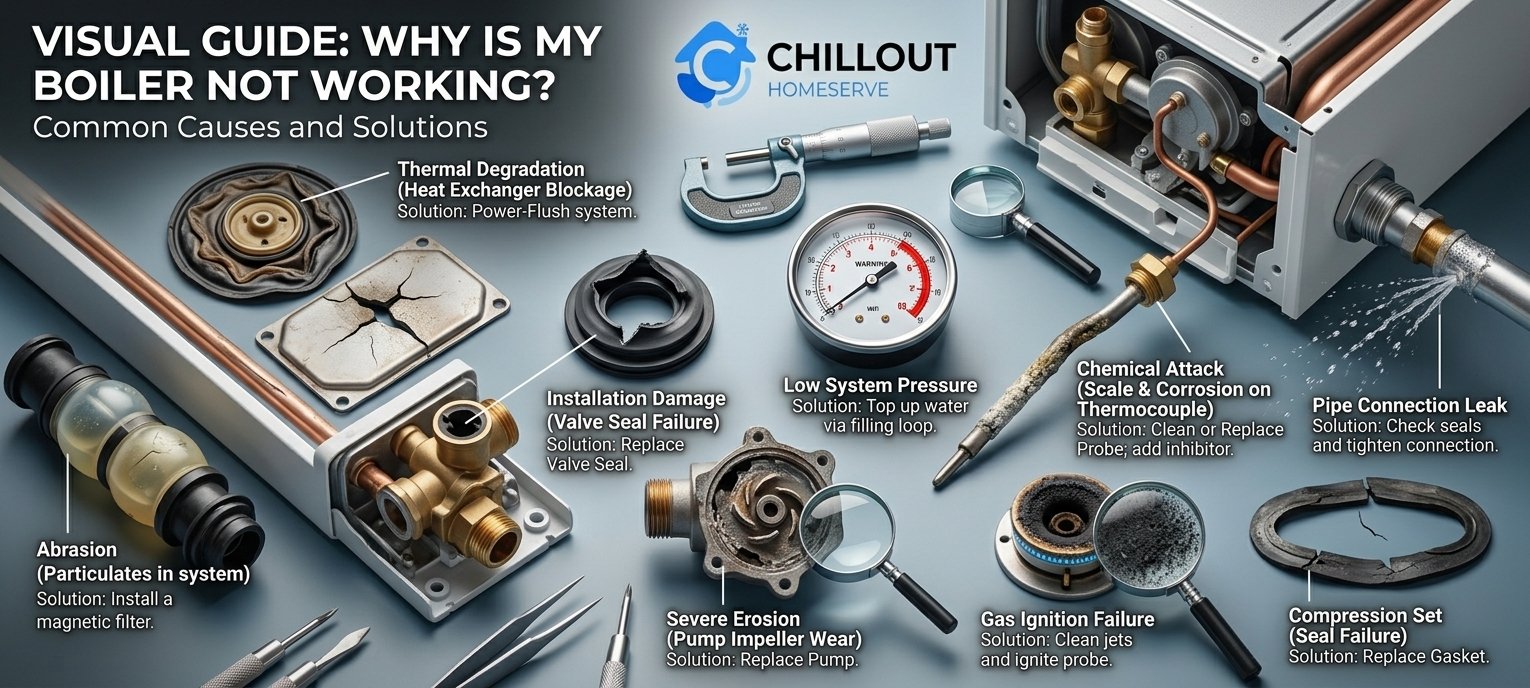
Heating problems can also overlap with other household concerns. For example, someone searching “Why Is My Boiler Not Working? Common Causes and Solutions” may be experiencing a broader heating-system issue rather than a problem with one component alone.
Understanding the possible causes is a useful first step before deciding what investigation or repair is appropriate.
Why People Investigate a Heat Pump Blowing Cold Air
Not every period of cool airflow means that a heat pump has failed. Heat pumps operate differently from traditional boilers and electric heaters. The air they produce may sometimes feel less intense than the heat produced by other heating systems.
However, further investigation may be appropriate when the property remains cold despite the heat pump running continuously.
Common causes include:
Incorrect Thermostat Settings
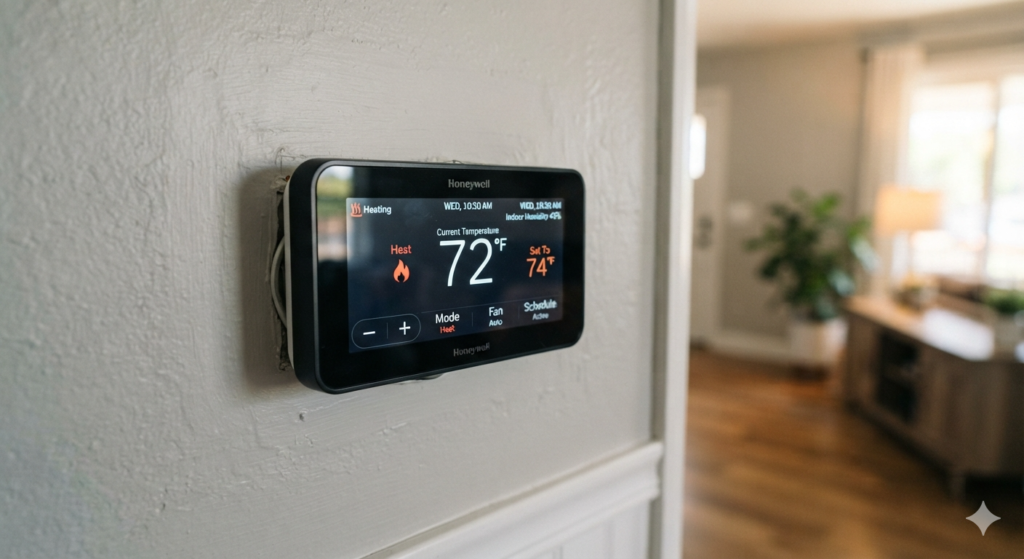
The thermostat should first be checked to make sure the system is set to heating mode. An incorrect temperature setting, cooling mode, fan-only mode, or programming schedule can make it appear that the heating system is faulty.
Set the required temperature above the current room temperature and allow the system some time to respond.
A Normal Defrost Cycle
During colder weather, frost can develop on the outdoor heat pump unit. Many systems temporarily enter a defrost cycle to remove this frost.
During this period, indoor heating may pause or the air may briefly feel cooler. This can be normal. If the system remains in this condition for an unusually long period or repeatedly struggles to return to heating mode, further inspection may be required.
Restricted Airflow
Good airflow is essential for heat pump operation. Dirty filters, blocked vents, obstructed indoor units, or debris around the outdoor unit can reduce the amount of warm air reaching the room.
Filters should be checked according to the manufacturer’s maintenance guidance. Furniture, curtains, or other objects should also not obstruct air outlets.
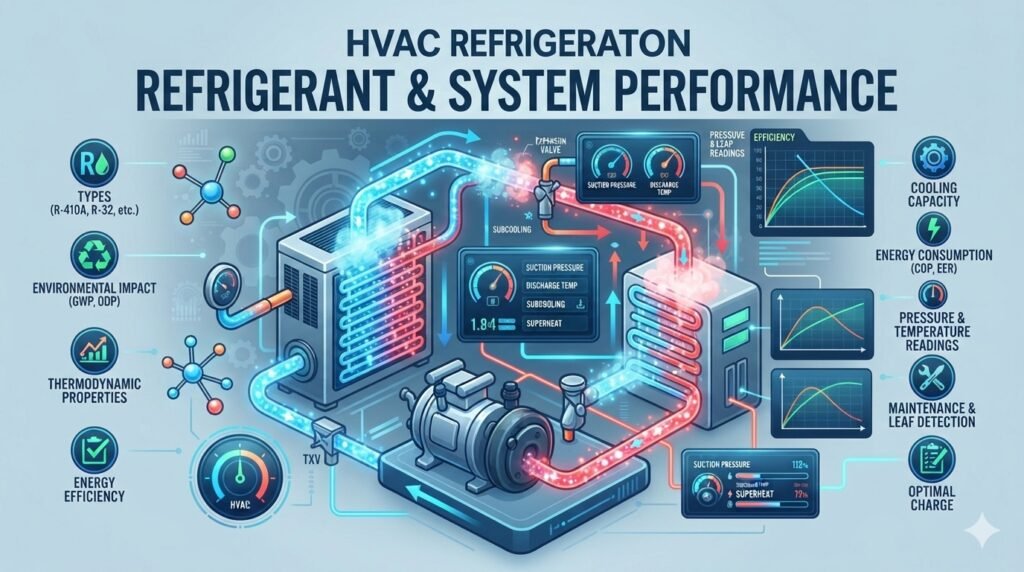
Refrigerant and System Performance
Refrigerant allows a heat pump to transfer heat between indoor and outdoor environments. If the refrigerant level is incorrect because of a leak or another system problem, heating performance can decrease.
Possible symptoms may include poor heating, extended operating periods, unusual icing, or noticeable changes in system performance.
Refrigerant systems should be assessed by a suitably qualified technician. Simply adding refrigerant without identifying why the level changed may leave the underlying problem unresolved.
Electrical or Control Problems
Heat pumps rely on several electrical and electronic components, including sensors, control boards, thermostats, fans, and compressors.
A faulty sensor could provide incorrect temperature information. Electrical problems can also prevent certain components from operating as intended.
Because electrical testing carries safety risks, internal electrical components should be inspected by someone with appropriate technical knowledge and equipment.
Outdoor Unit Problems
The outdoor unit needs sufficient airflow to exchange heat effectively.
Leaves, dirt, vegetation, or other obstructions around the unit may interfere with operation. Heavy frost or ice that does not clear during normal defrost operation may also indicate a problem.
Keeping the surrounding area clear can support normal airflow, but persistent icing requires proper investigation rather than repeatedly removing the ice without identifying its cause.
Who May Need a Heat Pump Investigation?
Heating-system investigation can be relevant to different types of properties across Cyprus.
Homeowners may need assistance when rooms are not reaching the expected temperature or energy use appears to have changed.
Landlords may need heating faults investigated after receiving reports from tenants about inconsistent temperatures or hot water.
Property managers often need clear information about the cause of a problem before arranging maintenance or repairs.
Commercial properties may require investigation when heating problems affect offices, shops, accommodation, or other occupied spaces.
For insurance-related investigations, documentation of moisture, leaks, water ingress, or associated property damage may sometimes be required.
Benefits and Important Features of a Detailed Investigation
A structured investigation helps separate a simple operating issue from a mechanical or electrical fault.
Rather than assuming that one component needs replacement, technicians can examine how the complete system is operating. This may include checking thermostat settings, airflow, filters, operating temperatures, outdoor equipment, electrical components, and system controls.
At Chillouthome Serve, investigation may also consider related property problems when they could be affecting heating performance or building conditions.
These can include:
- Hidden leaks
- Damp problems
- Drainage issues
- Underfloor heating faults
- Water ingress problems
This wider approach can be useful where the cause of a problem is not immediately visible.

How the Investigation Process Works
1. Discuss the Heating Problem
The process normally begins by understanding what has changed. Useful information includes when the problem started, whether it affects the whole property, and whether the system displays an error code.
2. Check Controls and Settings
Thermostat settings, heating modes, schedules, and temperature controls can then be reviewed.
3. Inspect Airflow
Filters, vents, fans, and indoor and outdoor units can be examined for restrictions or obvious problems.
4. Assess System Operation
Where appropriate, operating temperatures, refrigerant performance, sensors, electrical components, and system behaviour can be assessed.
5. Identify the Likely Cause
The findings can then be used to determine whether maintenance, adjustment, further diagnostic testing, or repair is required.
This approach avoids making assumptions before the system has been properly examined.
Local Experience and Area Knowledge in Cyprus
Properties in Cyprus vary considerably. Apartments, villas, older houses, recently constructed developments, offices, and commercial buildings can all have different heating arrangements.
Coastal conditions can also expose outdoor equipment to moisture and salt-laden air, while dust and debris can affect airflow if equipment is not periodically checked.
Local building layouts also matter. A heating issue may relate to the heat pump itself, but insulation, room size, airflow, building condition, and other mechanical systems can influence indoor temperatures.
Understanding the property as a whole can therefore help when diagnosing heating performance.
Service Areas Covered
Chillouthome Serve provides property and system investigation services across areas of Cyprus, including Nicosia, Larnaca, Limassol, Protaras, and Paralimni.
Service requirements can differ depending on the property, system type, and nature of the fault. Providing information about the equipment and symptoms before an inspection can help clarify what type of investigation may be appropriate.
Frequently Asked Questions
Why is my heat pump blowing cold air when it is set to heat?
Possible causes include a defrost cycle, incorrect thermostat settings, restricted airflow, refrigerant problems, sensor faults, or issues with the outdoor unit. If cold airflow continues and the room does not warm up, the system may need inspection.
Is it normal for a heat pump to blow cool air occasionally?
Yes. A heat pump may temporarily produce cooler air during a defrost cycle or while changing operating conditions. Continuous cold air during heating mode is different and may indicate a fault.
Can a dirty filter stop a heat pump from heating properly?
A heavily restricted filter can reduce airflow and affect heating performance. Filters should be inspected and maintained according to the equipment manufacturer’s instructions.
Why does my heat pump run but not warm the house?
The cause may involve thermostat settings, airflow restrictions, refrigerant, outdoor-unit conditions, sensors, electrical components, or the capacity of the system. A proper assessment can help identify the specific reason.
Can heating problems be related to underfloor heating faults?
Yes, depending on how the property’s heating systems are configured. Problems with controls, circulation, pipework, or individual heating zones can affect underfloor heating performance and may require separate fault finding.
Conclusion
A heat pump blowing cold air does not automatically mean that the entire system has failed. Sometimes the cause is related to normal defrost operation or a control setting. In other cases, restricted airflow, refrigerant issues, electrical faults, sensors, or outdoor-unit problems may be involved.
If your property in Cyprus remains cold despite the heat pump operating, a systematic inspection can help identify what is happening before further work is considered.
Chillouthome Serve can investigate heating concerns and related property issues, including hidden leaks, damp, drainage problems, underfloor heating faults, and water ingress. If the problem continues, arranging an appropriate assessment can help establish the cause and the next practical step.