
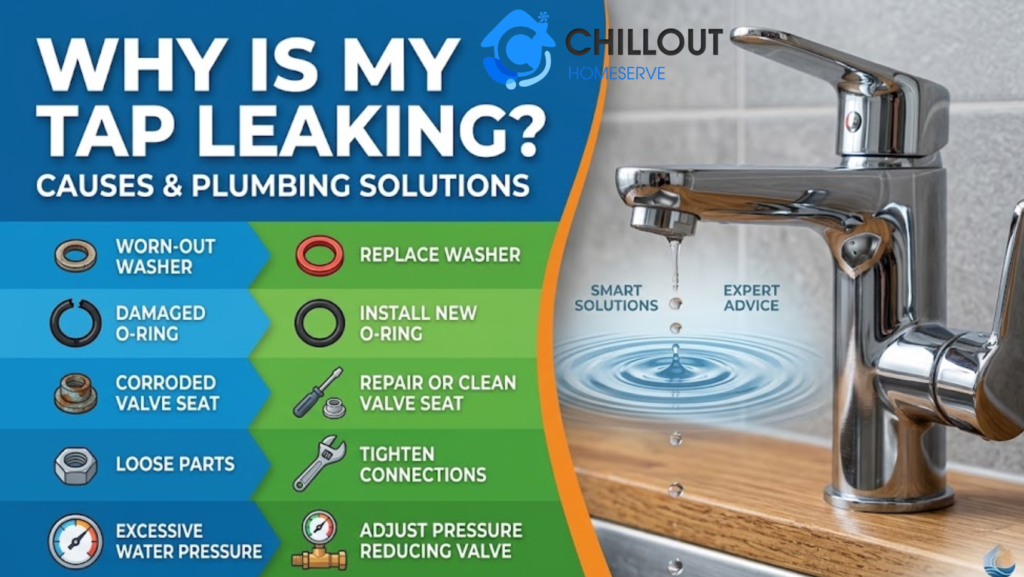
A tap leaking may seem like a small plumbing problem, but even a slow drip can waste water and become more noticeable over time. A tap can leak from the spout, handle, base or the connection underneath the sink, and each type of leak can have a different cause.
In homes across Cyprus, taps are used many times every day in kitchens, bathrooms, utility areas and outdoor spaces. Regular use, mineral deposits, worn internal parts and loose connections can eventually affect how a tap operates.
Understanding where the water is coming from is the first step towards finding the right solution.
Where Can a Tap Leak From?
Not every leaking tap has the same fault. Water may appear around the end of the tap, around the handle or underneath the fitting.
A tap that continues dripping after it has been turned off may have a worn internal component. If water appears around the handle when the tap is operating, the problem may be related to a seal, cartridge or internal connection.
Water around the base of the tap can indicate a problem with the seal or mounting connection. If water is found underneath the sink, the flexible connection, isolation valve or pipework may need to be inspected.
Identifying the exact location of the leak helps determine which part needs attention.
Common Causes of a Leaking Tap
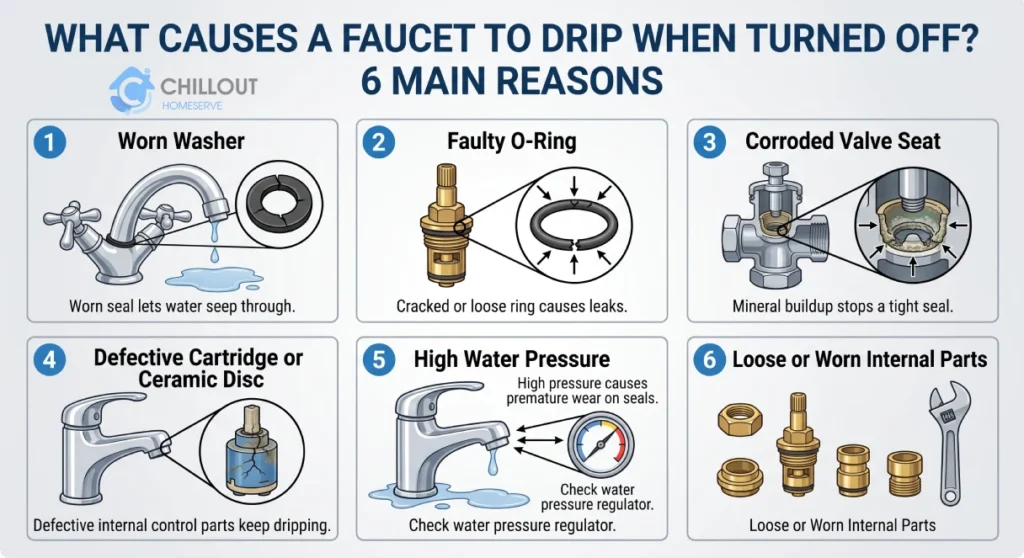
Worn Washer or Seal
Traditional taps often use washers or seals to control the flow of water. With repeated use, these components can become worn or damaged.
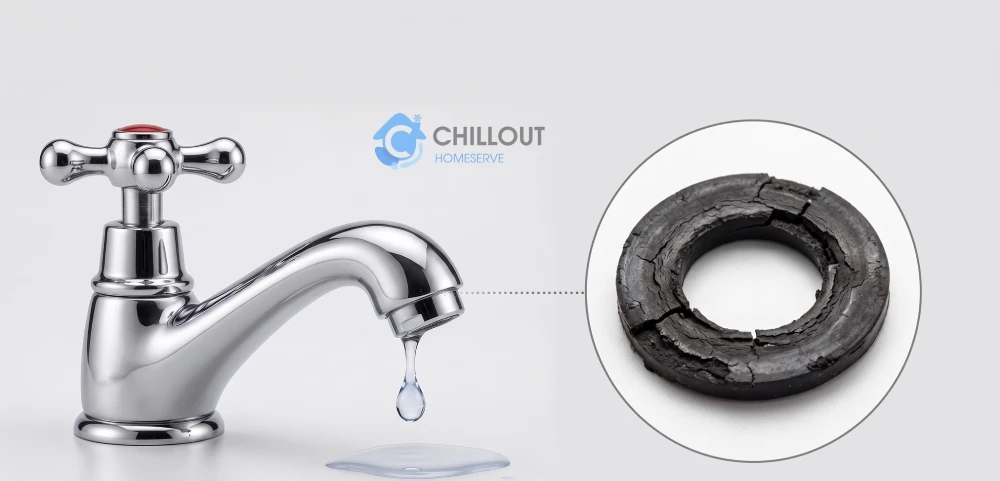
A worn washer may prevent the tap from closing completely, resulting in a continuous drip from the spout. Replacing the affected component may resolve the problem when the rest of the tap is in good condition.
Damaged Cartridge
Many modern mixer taps use a cartridge to regulate water flow and temperature. Over time, the cartridge can become worn or affected by deposits inside the fitting.
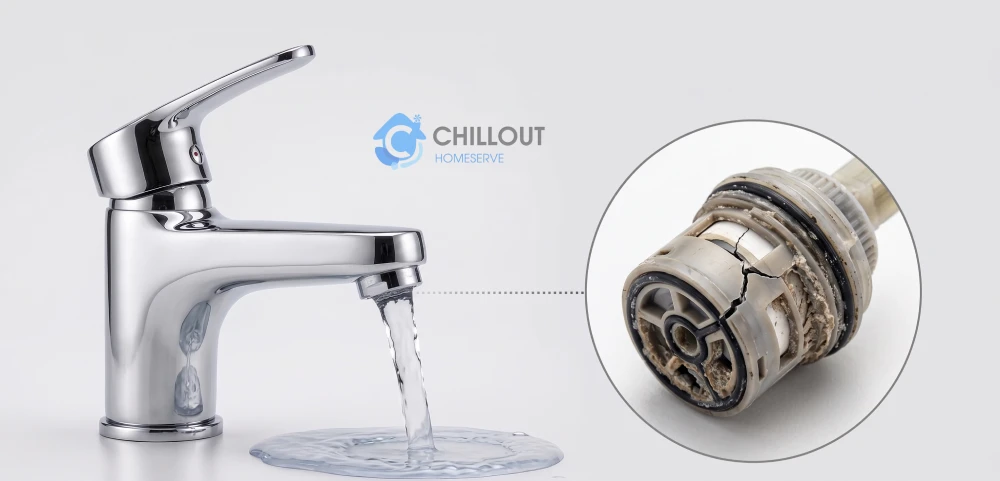
A damaged cartridge can cause dripping, difficulty controlling the water or water leakage around the handle.
The cartridge needs to be inspected before deciding whether it can be replaced.
Loose Connections
A tap or its pipe connections can become loose through normal use. Water may then escape around the connection rather than through the tap spout.
Loose connections should be checked carefully because tightening the wrong component too much can damage fittings or seals.
Worn O-Rings
O-rings create a seal between different parts of a tap. If an O-ring becomes worn, cracked or displaced, water can escape around the handle or base.
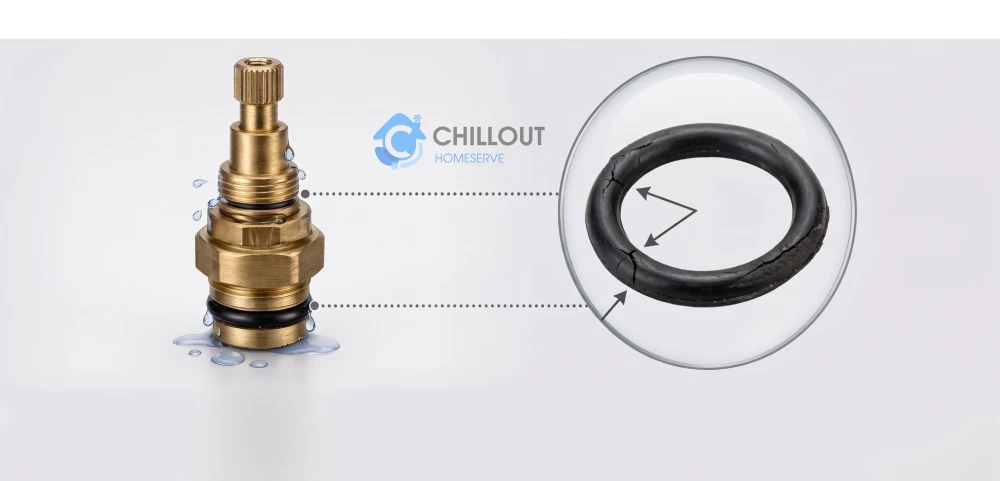
Replacing the affected seal can often address this type of leak, provided there is no additional damage to the tap.
Mineral Deposits
Water contains naturally occurring minerals, and deposits can build up inside plumbing fittings over time. These deposits can affect valves, cartridges and other internal parts.
A build-up may make a tap difficult to operate or prevent the internal mechanism from closing properly.
Why Is My Tap Still Dripping When It Is Turned Off?
A tap that continues to drip after being fully closed usually indicates that the internal mechanism is not creating a complete seal.
The cause may be a worn washer, damaged cartridge, faulty valve or debris affecting the sealing surface.
Simply turning the handle harder is not normally a long-term solution. Excessive force can put additional strain on the tap mechanism.
The fitting should be inspected to determine why water is continuing to pass through.
Why Is Water Leaking Around the Tap Handle?
Water around the handle can point towards a problem inside the tap rather than the water supply pipe.
Depending on the type of fitting, the cause could be a worn cartridge, damaged O-ring or another internal seal.
Mixer taps can have several internal components, so the correct replacement part depends on the tap design and model.
An inspection can establish whether replacing one component is sufficient or whether the fitting has reached the point where replacement is more practical.
Why Is Water Leaking Under the Sink?
Water underneath a sink does not always mean that the tap itself is faulty.
The source could be:
- The tap supply connection
- Flexible hoses
- Isolation valves
- Waste connections
- Sink fittings
- Pipe joints
It is important to trace the water back to its source rather than assuming the visible water is coming from the tap.
If the leak is left unnoticed, moisture underneath a kitchen or bathroom sink can affect surrounding cabinets and materials.
How Is a Leaking Tap Investigated?
The first step is to identify exactly when the leak occurs.
A plumber may check whether the tap leaks when it is turned off, during operation or around the base and connections. The fitting, handles, cartridge or washer, supply hoses and visible pipe connections can then be inspected.
For an under-sink leak, the surrounding area is checked carefully to distinguish a tap supply leak from a waste-pipe or drainage problem.
Once the source is identified, the appropriate repair can be considered.
How Is a Leaking Tap Repaired?
The repair depends on the cause.
A worn washer, seal or O-ring may be replaced. A damaged cartridge in a mixer tap may need to be removed and replaced with a suitable component.
If the problem is caused by a loose or damaged connection, the connection may need to be adjusted or the affected seal or fitting replaced.
In some cases, the tap itself may be worn or damaged. If the fitting has multiple faults or replacement parts are no longer suitable or available, replacing the tap may be a more appropriate solution.
After the repair, the tap should be operated and the surrounding connections checked for further leakage.
When Should a Tap Be Replaced?
Repair is not always the most suitable option.
A tap may need replacement when the body is damaged, internal parts are severely worn, corrosion has affected the fitting or repeated repairs have not resolved the problem.
The condition of the surrounding plumbing should also be considered. Replacing an old tap without checking the connections underneath the sink may leave an existing plumbing problem unresolved.
A proper inspection can help determine whether repair or replacement is appropriate.

Can a Small Tap Leak Become a Bigger Problem?
A small leak should not automatically be considered harmless.
Continuous dripping wastes water, while a leak around the base or underneath the sink can gradually expose cabinets, walls or other materials to moisture.
A concealed connection leak can also be difficult to notice until staining, dampness or damage becomes visible.
For this reason, identifying the source early can help prevent a minor plumbing fault from developing into a more extensive water-related problem.
How to Reduce the Risk of Tap Problems
Regularly checking taps and visible connections can help identify changes before they become more noticeable.
Look for water around the base of the fitting, moisture underneath the sink, changes in water flow and unusual resistance when operating the handle.
Do not force a stiff tap handle. If a fitting suddenly becomes difficult to operate, inspection can help determine whether mineral deposits, an internal component or another plumbing issue is responsible.
Keeping the area around sinks dry also makes it easier to notice new leaks.
When Is Professional Plumbing Assistance Needed?
Professional assistance may be appropriate when the source of a leak is unclear, water is appearing underneath a sink, the tap cannot be shut off properly or a replacement component does not resolve the problem.
It is particularly important to investigate recurring leaks rather than repeatedly treating the visible symptom. A recurring leak may indicate an underlying issue with the fitting, connection or pipework.
For hidden leaks, additional leak detection or moisture investigation may also be necessary.
Frequently Asked Questions
Why does my tap drip after I turn it off?
A worn washer, cartridge, seal or valve may prevent the tap from closing completely. The fitting needs to be inspected to identify the specific cause.
Why is my mixer tap leaking around the handle?
A damaged cartridge or internal seal can allow water to escape around the handle. The exact cause depends on the tap design.
Why is there water underneath my kitchen sink?
The water may come from the tap supply connection, flexible hose, isolation valve, waste pipe or another plumbing connection. The source should be traced before deciding on a repair.
Can a leaking tap be repaired?
Many tap leaks can be repaired by replacing a worn internal component, seal or connection. However, a severely damaged or heavily worn fitting may be more suitable for replacement.
Should I replace a tap that keeps leaking?
If the tap continues to leak after appropriate components have been replaced, or if the fitting is damaged or badly worn, replacement may be considered.
Conclusion
A leaking tap can have several causes, from a worn washer or cartridge to a loose connection or damaged seal. The most useful first step is to identify exactly where and when the water is escaping.
Once the source has been established, the appropriate solution may involve replacing an internal component, repairing a connection or replacing the tap itself.
For homeowners in Cyprus, dealing with a leaking tap early can also help reduce water waste and prevent moisture from affecting the area around the plumbing.