A shower is one of the most frequently used fixtures in any home, so even a small plumbing problem can quickly become frustrating. A weak shower, dripping showerhead, slow drain, inconsistent hot water, or unpleasant smell can affect your daily routine and may indicate a larger plumbing issue.
The good news is that many shower problems have identifiable causes and practical solutions. Understanding what is happening can help you decide whether you can handle a simple maintenance task yourself or whether you should contact a professional plumber.
This guide explains the most common shower plumbing problems, why they happen, how they can be resolved, and how regular maintenance can prevent them from returning.
1. Why Is My Shower Water Pressure Low?
One of the most common complaints homeowners have is low shower water pressure. Instead of a strong and comfortable flow, the shower produces only a weak stream of water.
There are several possible reasons for this.
Mineral and Limescale Buildup
Over time, minerals in the water can accumulate inside the showerhead. The small holes responsible for producing the spray can become partially blocked, reducing water flow.
This is particularly common in areas where the water contains a high level of minerals.
Blocked Filter
Some shower systems contain filters that can become clogged with dirt, sediment, or mineral deposits. A blocked filter restricts the amount of water reaching the showerhead.
Faulty Shower Cartridge
The cartridge controls the mixture and flow of hot and cold water. If it becomes damaged or clogged, the shower may experience reduced water flow.
Plumbing Pipe Restriction
In older plumbing systems, internal buildup or corrosion can reduce the diameter of pipes and restrict water flow.
Solution
Start by inspecting and cleaning the showerhead. If cleaning does not improve the pressure, check whether other taps in the property have the same problem.
If the entire property has low water pressure, the issue may be related to the main water supply or plumbing system. If only the shower is affected, a professional plumber can inspect the shower valve, cartridge, filter, and supply pipe.
2. Why Is My Showerhead Dripping?
A showerhead that continues dripping after you turn the water off may seem like a minor inconvenience, but it can waste water and indicate a problem with the fixture or valve.
Common causes include:
- Worn-out washers
- Damaged seals
- Loose connections
- Faulty cartridges
- Damaged shower valves
- Mineral buildup
Sometimes tightening the showerhead connection can solve the problem. However, if water continues to drip even when the connection is secure, the problem may be inside the shower valve.
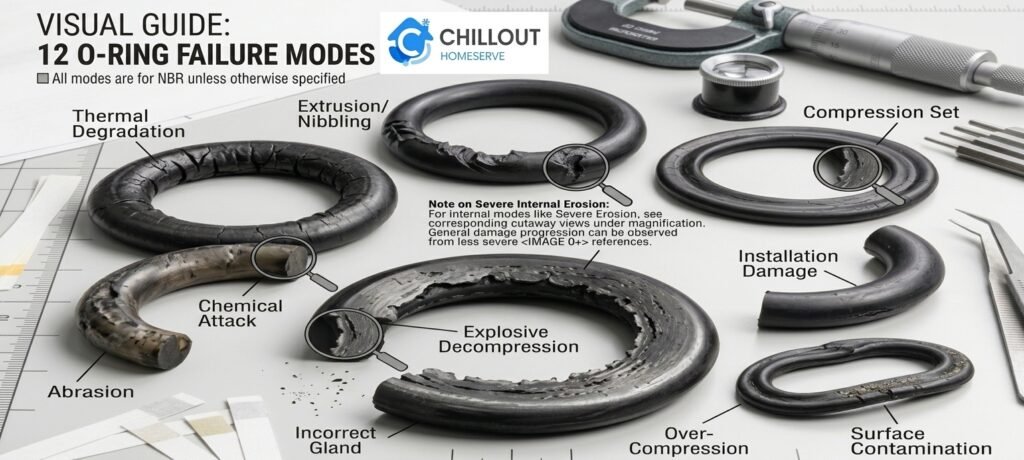
How to Solve a Leaking Showerhead
First, inspect the connection between the showerhead and shower arm. If it is loose, carefully tighten it.
If the leak continues, the showerhead may need cleaning or replacement. If water is coming through the showerhead even when the valve is completely closed, the valve or cartridge may need professional attention.
A qualified plumber can identify the source of the leak and replace the faulty component instead of simply treating the visible symptom.
3. Why Is My Shower Not Getting Hot Enough?
Another common bathroom plumbing problem is inconsistent hot water.
You may experience a shower that:
- Takes too long to become hot
- Becomes cold suddenly
- Is hot for only a few minutes
- Never reaches the desired temperature
- Changes temperature when another tap is opened
The cause depends on whether the problem affects only the shower or the entire property.
If every hot-water tap is affected, there may be an issue with the water heater, boiler, hot-water supply, or heating system.
If the kitchen or bathroom taps have normal hot water but the shower does not, the shower cartridge or mixing valve may be responsible.
Solution
Do not immediately replace the entire water-heating system. A professional plumber can inspect the shower valve, hot-water supply, and other components to determine exactly where the problem is occurring.
Correct diagnosis can save both time and money.
4. Why Is My Shower Drain Blocked?
A blocked shower drain is another extremely common plumbing issue.
Every time you shower, hair, soap, shampoo residue, skin particles, and other debris can enter the drain. Over time, these materials can combine and form a blockage.
You may notice:
- Water draining slowly
- Water collecting around your feet
- Unpleasant smells
- Gurgling sounds
- Water backing up from the drain
If the blockage is ignored, it can become increasingly difficult to remove.
Simple Drain Maintenance
Remove the drain cover and clean away visible hair and debris. Keeping the drain clear can prevent many minor blockages.
However, if water continues to drain slowly after cleaning, the blockage may be deeper inside the pipe.
In this situation, professional drain cleaning may be required. A plumber can locate the blockage and use appropriate equipment to clear the pipe.
5. Why Does My Shower Drain Smell Bad?
A bad smell coming from a shower drain is usually caused by a combination of organic debris, soap residue, bacteria, or problems with the drain trap.
Hair and soap can remain inside the pipe and create an unpleasant smell as they break down.
In some cases, the smell may indicate a more serious drainage or sewer problem.
Solution
Regularly clean the drain and remove visible debris. Make sure the drain trap contains water because the trap helps prevent sewer gases from entering the bathroom.
If the smell keeps returning despite cleaning, contact a professional plumber. Persistent odors can sometimes indicate a drainage problem that needs further inspection.
6. Why Is Water Leaking Around the Shower?
Water appearing around the shower floor should never be ignored.
Possible causes include:
- Damaged shower seals
- Cracked tiles or grout
- Leaking pipes
- Faulty shower connections
- Damaged drain fittings
- Waterproofing problems
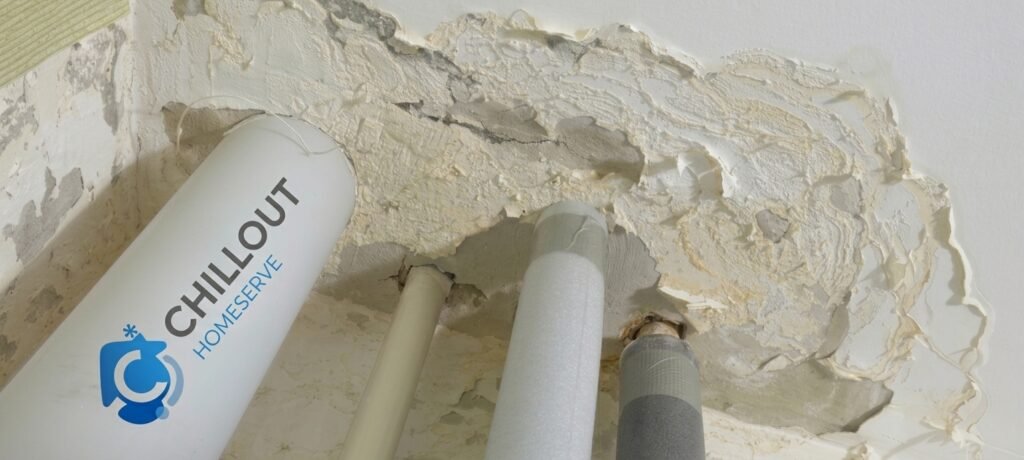
A leak that appears to be coming from the shower floor may actually originate behind a wall or underneath the flooring.
This is why simply drying the area does not solve the underlying problem.
Professional Solution
A plumber can inspect the visible plumbing connections and determine whether water is escaping from a pipe, fitting, valve, or drain.
If the problem involves waterproofing, tiles, or structural damage, additional building or bathroom repair work may also be required.
7. Why Does My Shower Keep Losing Pressure?
If your shower pressure changes throughout the day, the problem may not be the showerhead itself.
Pressure can be affected by:
- Multiple fixtures operating simultaneously
- Water supply limitations
- Faulty pressure-reducing valves
- Blocked pipes
- Plumbing system design
- Faulty shower valves
For example, if someone turns on a tap or flushes a toilet while you are showering, the water pressure may temporarily change.
However, if pressure fluctuations happen frequently without an obvious reason, professional inspection is recommended.
8. Why Is My Shower Temperature Changing Suddenly?
Sudden temperature changes can be uncomfortable and, in some situations, dangerous.
If the shower becomes extremely hot or cold when another tap is used, there may be an issue with the pressure balance or mixing valve.
A faulty shower cartridge can also cause temperature instability.
Modern shower systems often use pressure-balancing or thermostatic components to help maintain a consistent temperature. When these components become worn or faulty, professional replacement may be necessary.
A plumber can check the valve and determine whether repair or replacement is the most suitable solution.
9. When Should You Call an Emergency Plumber?
Not every shower problem requires an emergency plumbing service. However, some situations should be addressed quickly.
Contact an emergency plumber if you experience:
- A major water leak
- Water leaking inside walls
- Rapidly increasing water damage
- A completely blocked bathroom drain
- A burst or damaged pipe
- No water supply due to a plumbing failure
- Serious flooding around the bathroom
Quick action can help reduce water damage and prevent a small plumbing problem from becoming an expensive repair.
10. How to Prevent Shower Plumbing Problems
Prevention is often easier and less expensive than repair.
Clean the Showerhead
Regular cleaning helps prevent mineral and limescale buildup.
Keep the Drain Clear
Remove hair and debris regularly instead of allowing them to accumulate inside the pipe.
Check for Leaks
Inspect the showerhead, connections, taps, and visible pipes for signs of dripping.
Avoid Ignoring Small Problems
A small leak or slow drain can become a much bigger problem if it is left untreated.
Monitor Water Pressure
If the shower pressure gradually decreases, investigate the cause rather than simply replacing the showerhead.
Schedule Professional Plumbing Inspection
If the same problem keeps returning, there may be an underlying issue within the plumbing system.
Professional Shower & Plumbing Solutions
A shower problem can have many different causes. A dripping showerhead might require nothing more than a new seal, while low water pressure could be caused by a blocked showerhead, faulty cartridge, restricted pipe, or wider water-supply problem.
The most effective approach is to identify the cause before choosing the solution.
Whether you need help with a shower repair, leaking showerhead, blocked shower drain, low water pressure, water heater problem, bathroom plumbing, or emergency plumbing, a professional plumber can inspect the system and recommend the appropriate repair.
Trying to repair complicated plumbing without the correct tools or experience can sometimes make the problem worse. Professional diagnosis can help identify hidden leaks, faulty valves, blocked pipes, and other issues that may not be obvious from the outside.
Final Thoughts
Your shower provides important clues when something is wrong. Weak water pressure, slow drainage, dripping fixtures, bad smells, and inconsistent temperatures should not simply be ignored.
Simple maintenance can solve some minor issues, but persistent or serious problems require professional attention. By identifying plumbing problems early and maintaining your shower regularly, you can protect your bathroom, reduce water waste, and avoid unnecessary repair costs.
If your shower is leaking, blocked, losing pressure, or failing to provide consistent hot water, contact a professional plumber for a proper inspection and reliable plumbing solution. The right diagnosis can make the difference between a quick repair and a much more expensive plumbing problem.