
A slow-draining sink or a damp patch on a wall rarely announces itself as a big problem. It usually starts small a gurgle in the pipes, a faint smell near a drain, a bit of standing water after rain. For many homeowners across Cyprus, these small signs eventually lead to the same search: drain experts near me. Understanding what these specialists actually do, and when to call one, can save time, stress, and unnecessary repair costs down the line.
This guide walks through what drain expertise involves, who typically needs it, and what to expect from the process with a focus on how drainage conditions in Cyprus shape the kind of help that’s useful locally.
What Does “Drain Experts Near Me” Actually Mean?
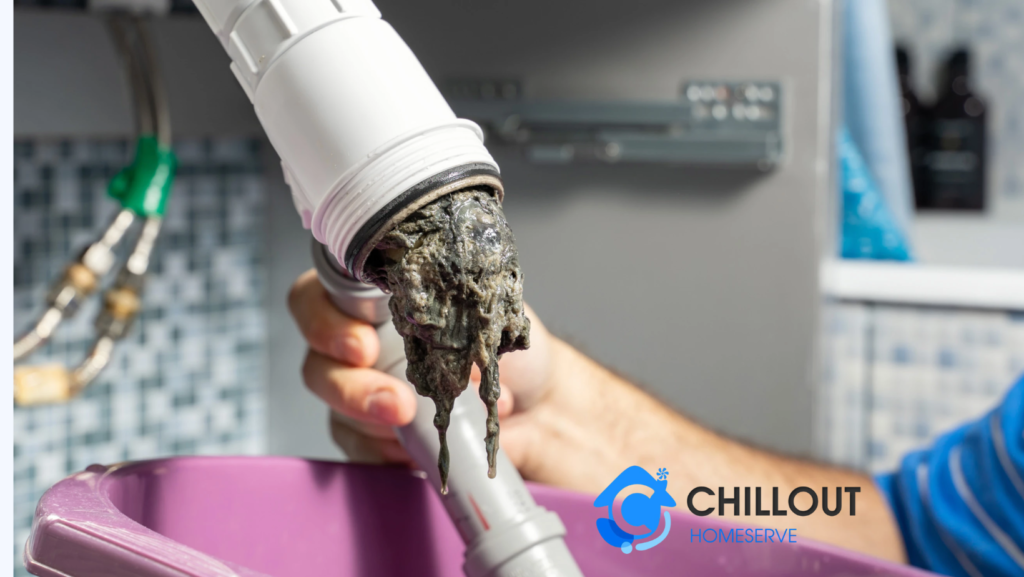
When people search for drain experts near me, they’re usually looking for someone local who can inspect, diagnose, and resolve a drainage-related issue without a long wait. This can include blocked pipes, slow drains, unpleasant odors, or water appearing where it shouldn’t.
Drain expertise isn’t just about clearing a clog with a plunger. It often involves understanding how a property’s plumbing system is laid out, how water moves through it, and where weak points are likely to develop over time particularly in older buildings or properties with mixed plumbing generations, which are common in many Cypriot towns and villages.
Why Local Knowledge Matters
Drainage issues aren’t identical everywhere. Soil composition, seasonal rainfall patterns, coastal humidity, and building age all influence how drains behave. In Cyprus, long dry spells followed by sudden heavy rain can put unusual pressure on drainage systems that aren’t used to handling large volumes of water quickly. Older stone or concrete properties may also have pipework that wasn’t designed with modern water usage in mind.
A specialist familiar with local conditions is more likely to recognize patterns quickly for instance, whether a recurring blockage is linked to root intrusion from nearby vegetation, sediment build-up from hard water, or a structural issue with aging pipework.
Who May Need This Kind of Help
Several types of property owners and managers commonly reach out to drainage specialists:
Homeowners dealing with slow drains, recurring blockages, or unexplained damp patches on walls or ceilings.
Landlords who need to resolve drainage complaints from tenants and want a clear explanation of the cause before arranging repairs.
Property managers overseeing multiple units or a shared building, where drainage problems can affect several residents at once.
Commercial properties, including small businesses and restaurants, where drainage issues can disrupt daily operations if not addressed promptly.
Insurance-related investigations, where a documented, professional assessment is needed to understand the cause of water damage before a claim can move forward.
Benefits and Important Features to Look For
Not every drainage issue is visible on the surface. Some of the most useful services a local specialist can offer include:
- Identifying hidden leaks before they cause structural damage
- Investigating damp problems and tracing them back to their source
- Diagnosing drainage issues affecting garden areas, driveways, or shared spaces
- Checking underfloor heating systems for faults linked to water pressure or pipe damage
- Assessing water ingress problems around windows, foundations, or roof lines that may be connected to poor drainage
A thorough assessment usually looks beyond the immediate symptom. A blocked drain, for example, might be a standalone issue or it might be an early sign of a larger problem that’s easier to address before it worsens.
How the Process Typically Works
Most drainage assessments follow a similar general pattern, even though the specifics vary by property and issue:
- Initial description — The property owner explains what they’ve noticed: slow drainage, odors, dampness, or visible water.
- On-site inspection — A specialist examines the affected area, checking visible pipework, drainage points, and any signs of moisture or staining.
- Diagnosis — Based on what’s found, the specialist explains what’s likely causing the issue and what it would take to resolve it.
- Recommendation — The property owner receives a clear explanation of next steps, without unnecessary technical jargon.
This kind of process is particularly useful in insurance-related cases, where a documented explanation of the cause of damage is often required before repairs or claims can proceed.
Local Experience and Area Knowledge
Cyprus has a mix of coastal towns, hillside villages, and urban centers, each with different building styles and drainage infrastructure. A property near the coast may deal with different moisture-related challenges than one further inland or at higher elevation. Specialists who work regularly across these varied environments tend to develop a practical understanding of what’s typical for a given area and what might indicate a less common, more serious issue.
This kind of familiarity often makes the difference between a quick, accurate diagnosis and a longer process of trial and error.
Areas Commonly Served
Drainage specialists in Cyprus typically cover a range of areas, including Nicosia, Limassol, Larnaca, Paphos, and surrounding towns and villages. Coverage can vary depending on the provider, so it’s worth confirming whether a specific area, whether urban or more rural, falls within their usual service range.
Frequently Asked Questions
How do I know if I have a hidden leak? Common signs include an unexplained increase in water usage, damp patches on walls or floors, a musty smell in a specific area, or the sound of running water when no taps are open.
Can drainage issues cause damp problems inside a home? Yes. Poor drainage around a property’s foundation or damaged underground pipework can allow moisture to seep into walls or floors, leading to damp patches that seem unrelated to plumbing at first glance.
What causes underfloor heating faults related to drainage? Underfloor heating systems rely on sealed water circuits. A leak or pressure drop in the surrounding plumbing can sometimes affect these systems, leading to uneven heating or noticeable pressure loss.
Is water ingress always linked to drainage? Not always, but it’s a common contributing factor. Poor drainage around windows, roof edges, or foundations can allow water to enter a property gradually, especially during heavy rainfall.
How soon should a drainage issue be looked at? It depends on the severity, but slow drains, recurring odors, or any sign of dampness are worth addressing promptly, since these issues rarely improve on their own and can worsen over time.
Conclusion
Drainage problems are easy to overlook until they start affecting daily life or until they turn into something more serious, like structural damp or water damage. If you’ve noticed slow drains, damp patches, or anything unusual around your property’s plumbing, it’s worth having a local specialist take a look. Understanding the cause early on is often the simplest way to keep a small issue from becoming a much bigger one.