
A drainage system works quietly in the background until something interrupts the flow of wastewater. Slow-draining sinksb, Air Conditioner, overflowing drains, unpleasant odours, and repeated blockages are often signs that a drainage system needs further investigation. While some obstructions are easy to remove, recurring problems may indicate a deeper issue within underground pipework.
Blockage Identification is the process of locating and determining the cause of a blockage within a drainage system. Using modern inspection methods, engineers can identify where the obstruction is located and understand why it has developed. This information helps homeowners, landlords, property managers, commercial property owners, and insurance assessors make informed decisions about the next steps.
Across Cyprus, drainage systems can be affected by ageing pipework, tree roots, grease accumulation, damaged pipes, ground movement, and debris entering underground drains. Identifying the exact cause of a blockage is an important first step in restoring proper drainage.
What Is Blockage Identification?
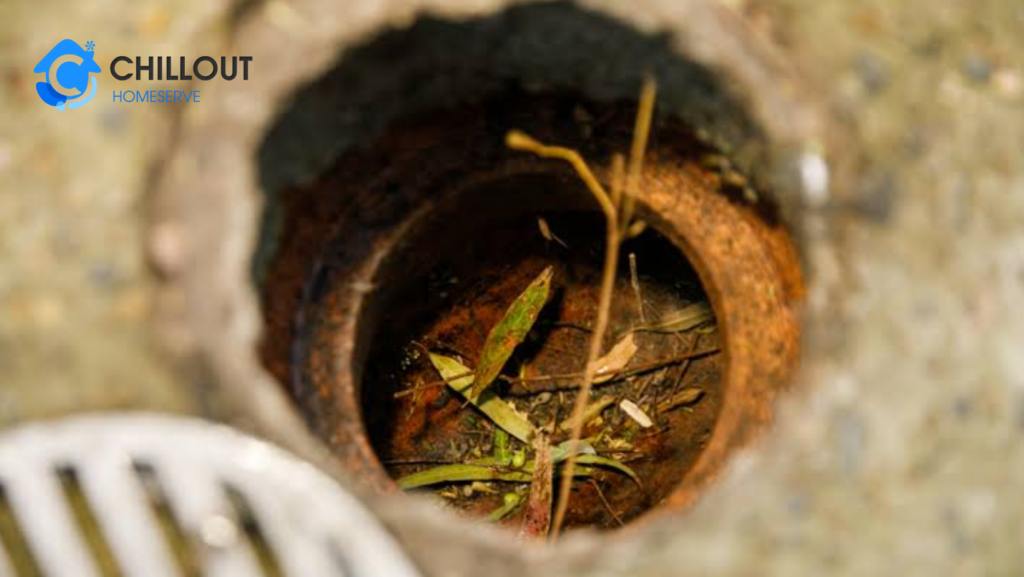
Blockage Identification involves investigating a drainage system to locate an obstruction and determine what is preventing wastewater from flowing normally.
Rather than relying on assumptions, engineers use specialist equipment to inspect the inside of drainage pipes and assess their condition. This approach provides a clearer understanding of whether the blockage is caused by debris, pipe damage, structural movement, or another underlying issue.
Common signs that may indicate a blockage include:
- Slow-draining sinks and basins
- Water backing up into toilets or showers
- Gurgling sounds from drains
- Persistent unpleasant odours
- Overflowing inspection chambers
- Standing water around external drains
- Repeated drainage problems after previous cleaning
When these symptoms continue to return, further investigation is often needed.
Common Causes of Drain Blockages
Drainage systems may become blocked for several different reasons.
Grease and Food Waste
Kitchen drains often become restricted when grease, cooking oil, and food particles gradually build up inside pipework.
Hair and Soap Residue
Bathroom drains commonly collect hair, soap residue, and personal care products that slowly reduce water flow.
Tree Root Intrusion
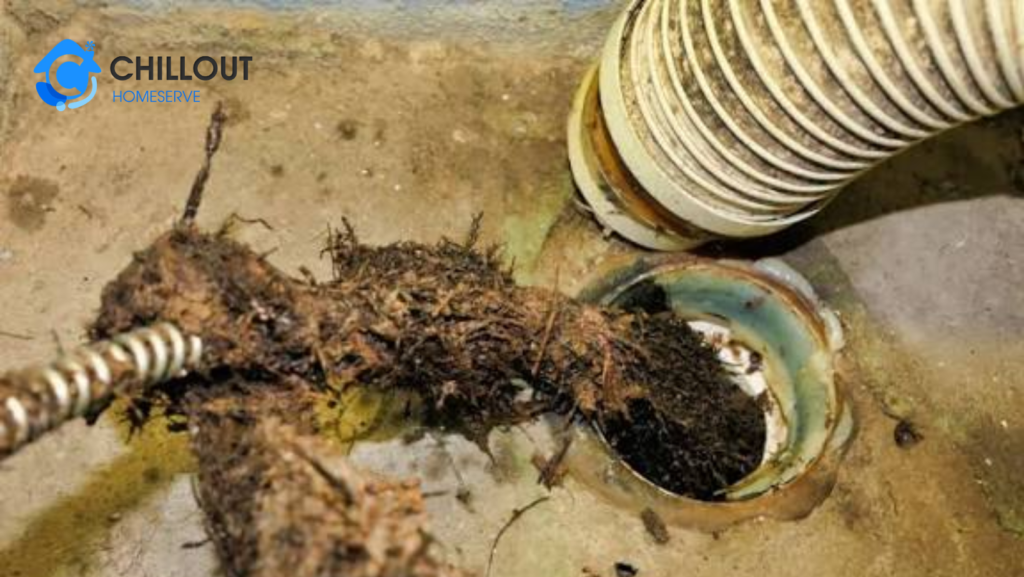
Roots naturally seek moisture and can enter drainage pipes through small cracks or joints. Once inside, they continue growing and may create significant blockages.
Damaged or Collapsed Pipes
Cracked, displaced, or partially collapsed drains may trap debris, causing recurring blockages.
Foreign Objects
Items that should not enter the drainage system can become lodged inside pipes and obstruct water flow.
Ground Movement
Changes in soil conditions may cause underground pipes to shift, affecting drainage performance.
How Blockage Identification Is Carried Out
Modern drainage investigations rely on several inspection techniques.
Initial Assessment
The process begins with discussing the symptoms, property history, and any previous drainage problems.
CCTV Drain Surveys
Small waterproof cameras are inserted into drainage pipes, allowing engineers to inspect the inside of the system without excavation.
The camera can identify:
- Blockages
- Cracked pipes
- Root intrusion
- Pipe displacement
- Structural defects
- Pipe deterioration
Pipe Route Tracing
Specialist locating equipment maps the route of underground drainage pipes and identifies the position of any defects.
Investigation Report
Following the inspection, findings are documented with photographs, observations, and recommendations that help explain the condition of the drainage system.
Benefits of Blockage Identification
Investigating drainage problems before carrying out repairs offers several practical advantages.
Accurate Diagnosis
Understanding the exact cause of a blockage allows maintenance to focus on the actual problem rather than treating only the symptoms.
Reduced Disruption
Modern investigation methods often reduce the need for unnecessary excavation.
Early Detection
Small defects can often be identified before they develop into more extensive drainage failures.
Detailed Documentation
Investigation reports may assist with maintenance planning, property records, and insurance-related assessments.
Support for Multiple Property Issues
Blockage Identification may also assist when investigating:
- Hidden leaks
- Damp problems
- Drainage issues
- Water ingress
- Underground pipe damage
- Underfloor heating faults affecting surrounding areas
Who May Need Blockage Identification?
Homeowners
Recurring blocked drains, slow water flow, or unpleasant smells may indicate that further investigation is required.
Landlords
Routine drainage assessments help identify issues that could affect tenants or lead to property damage.
Property Managers
Apartment buildings and commercial properties often require drainage investigations to maintain shared infrastructure.
Commercial Properties
Restaurants, offices, hotels, retail premises, schools, warehouses, and industrial buildings rely on effective drainage systems every day.
Insurance-Related Investigations
Drainage investigations can provide useful information when assessing water damage, drainage failures, hidden leaks, or underground pipe defects.
Local Experience Across Cyprus
Properties throughout Cyprus differ in age, construction, and drainage design. Older homes may have ageing underground pipework, while newer developments often include more extensive drainage networks.
Local conditions that can influence drainage systems include:
- Seasonal rainfall
- Tree root growth
- Ground movement
- Coastal environments
- Ageing infrastructure
- Renovation work around existing pipework
Understanding these factors helps investigators interpret inspection findings more effectively.
Services are commonly available throughout:
- Nicosia
- Limassol
- Larnaca
- Paphos
- Paralimni
- Protaras
- Ayia Napa
- Surrounding towns and villages
Frequently Asked Questions
What is Blockage Identification?
Blockage Identification is the process of locating and determining the cause of an obstruction within a drainage system using specialist inspection equipment.
Why do drains keep blocking?
Recurring blockages may result from grease buildup, tree roots, damaged pipes, collapsed drains, or structural defects within the drainage system.
Can CCTV surveys locate blockages?
Yes. CCTV drain cameras allow engineers to inspect the inside of drainage pipes and identify the location and cause of many blockages.
Is excavation always required?
Not necessarily. Many drainage investigations can be completed using CCTV cameras and pipe locating equipment before any excavation is considered.
Can blocked drains cause damp?
Yes. Damaged or blocked drainage systems may contribute to water ingress, damp conditions, and moisture-related property issues if left unresolved.
Conclusion
Drainage problems often begin with small warning signs such as slow-draining sinks, unpleasant odours, or recurring blockages. Investigating these issues early can help identify the underlying cause before more significant damage occurs.
Blockage Identification provides valuable information about the condition of underground drainage systems by locating obstructions and assessing pipe condition. Whether the concern involves hidden leaks, damp problems, drainage issues, water ingress, or damaged underground pipes, a detailed investigation helps property owners better understand the condition of their drainage system and supports informed maintenance decisions throughout Cyprus.