
When an air conditioning system stops cooling properly, makes unusual sounds, or begins producing water indoors, homeowners often search for air conditioner home repair near me to find help close to their property. In Cyprus, air conditioning is used for much of the year, so problems with an indoor unit can quickly become noticeable, particularly during periods of high temperatures.
Not every AC water problem is caused by the air conditioner itself. A blocked condensate line, damaged Drainage Pipe, poor drainage, or another moisture-related fault can sometimes be involved. This is why investigating the source of a problem is important before deciding what needs to be repaired.
For homeowners, landlords, property managers, and people dealing with insurance-related investigations, understanding the relationship between air conditioning, drainage, moisture, and the building can make it easier to identify the underlying issue.
What Is “Air Conditioner Home Repair Near Me”?
The phrase air conditioner home repair near me generally refers to local assistance with faults affecting an air conditioning system inside a residential property.
Common problems can include poor cooling, unusual noises, water dripping from an indoor unit, blocked condensate drainage, electrical faults, damaged components, or an air conditioner that stops operating correctly.
In Cyprus homes, AC units may operate for long hours during summer. Regular use can place additional demand on filters, drainage systems, electrical components, and moving parts.
A water leak from an indoor AC unit deserves particular attention. Condensation is a normal part of air conditioning, but that water needs to leave the unit through the appropriate drainage route. If the condensate pipe is blocked or incorrectly positioned, water can collect around the indoor unit and potentially affect walls, ceilings, flooring, or furniture.
Why People Choose a Drainage Pipe for Water Removal
A Drainage Pipe has a simple but important purpose: it provides a route for water to leave a system or area safely.
With air conditioning, the condensate produced during cooling needs to be carried away from the indoor unit. If the drainage route becomes restricted, water may back up and appear as dripping or staining around the AC.
Drainage pipes are also found throughout residential plumbing systems. They can be associated with sinks, bathrooms, washing areas, external drainage, and other parts of a property.
The condition and positioning of a pipe matter. A blockage, poor slope, cracked section, loose connection, or obstruction can interfere with normal water flow. In some cases, what appears to be an AC leak may actually involve a separate drainage or plumbing issue.
This is one reason moisture investigations should consider the surrounding building systems rather than focusing on one visible area.
Who May Need This Service?
Air conditioning and moisture-related investigations can be relevant to several types of property occupants and owners.
Homeowners may need assistance when an AC unit leaks, stops cooling, develops an unusual fault, or causes dampness around an indoor installation.
Landlords may encounter reports of water staining, moisture, or air conditioning problems in rented properties. Identifying the source can help establish whether the issue is related to the AC system, plumbing, drainage, or another part of the building.
Property managers may deal with several systems within a property and need a clear understanding of where a fault originates.
Commercial properties can also experience similar issues, although the scale and system design may differ from a typical home.
Insurance-related investigations may require attention to hidden leaks, water ingress, damp areas, drainage faults, or damage that has appeared some distance from the original source.
Benefits and Important Features of Proper Investigation
A careful investigation focuses on finding the cause rather than simply dealing with the visible symptom.
One important consideration is accurate fault identification. Water around an air conditioner does not automatically mean the AC unit itself is damaged. The condensate drain, pipe connections, surrounding wall, ceiling, or another nearby water source may need to be checked.
Another consideration is moisture detection. Water can travel through plaster, flooring, insulation, and other building materials. By the time staining becomes visible, the original source may not be directly above or beside the affected area.
A proper investigation can also help distinguish between:
- Air conditioning condensation problems
- Blocked condensate drainage
- Plumbing leaks
- Drainage faults
- Hidden water leaks
- Dampness caused by water ingress
- Underfloor heating faults
- Moisture entering from external areas
The aim is to understand what is happening within the property and identify the appropriate next step.
How the Process Works
The process usually begins with a discussion about the problem. Information such as when the issue started, where water was first noticed, whether the AC was operating at the time, and whether the problem changes during use can be useful.
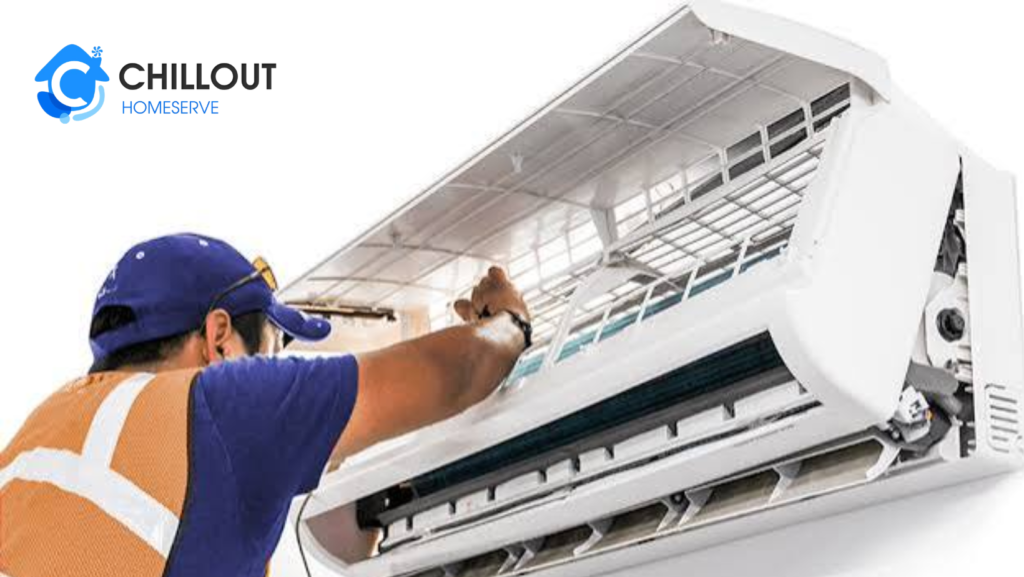
The air conditioning unit and its immediate surroundings can then be inspected. Attention may be given to the condensate outlet, drainage route, visible pipe connections, filters, and other accessible components.
Where dampness is involved, the surrounding areas may also need examination. Walls, ceilings, floors, skirting areas, and nearby plumbing points can provide useful clues.
If the source is not immediately visible, moisture detection methods can help establish where moisture is present and how extensive the affected area may be.
Drainage and plumbing systems may also require consideration, particularly where water appears away from the AC unit or continues when the air conditioner is switched off.
The investigation should lead to a clearer understanding of the fault and whether further repair or specialist attention is required.
Local Experience and Area Knowledge
Properties across Cyprus can have different construction methods, layouts, plumbing arrangements, and air conditioning installations. Apartments, detached homes, holiday properties, older buildings, and recently renovated houses may all present different challenges.
Local experience can be useful when investigating moisture because the visible problem is not always located at the point where water entered the building.
Cyprus also experiences long periods of warm weather, which means air conditioning systems may be used extensively. Condensation management is therefore an important part of maintaining an indoor AC installation.
Understanding the local environment, common building layouts, and the way residential systems are installed can help when assessing an unfamiliar problem.
Service Areas Covered
Home air conditioning, plumbing, drainage, damp investigation, and water-related inspections can be required across different parts of Cyprus.
Services may be relevant in Larnaca, Nicosia, Limassol, Protaras, and Paralimni, as well as surrounding communities.
Properties in coastal areas can have different environmental conditions from homes further inland, while older houses may have different pipework and building materials compared with newer developments.
Whether the issue involves an AC unit, hidden leak, drainage problem, underfloor heating fault, or water ingress, the important first step is understanding where the moisture or fault originates.
Frequently Asked Questions
What does air conditioner home repair near me usually include?
It can involve investigating problems such as poor cooling, unusual noises, water leaks, drainage issues, electrical faults, and other problems affecting a residential air conditioning system.
Why is water dripping from my indoor air conditioner?
A blocked or restricted condensate drain is one possible cause. Other possibilities include drainage problems, installation issues, or a separate source of water nearby. The exact cause needs to be checked.
Can a drainage pipe cause an air conditioner to leak?
Yes. If the condensate drainage route is blocked, restricted, damaged, or incorrectly arranged, water may not leave the AC unit properly and can result in indoor dripping.
Can a hidden water leak cause damp walls?
Yes. Water from concealed plumbing, drainage, external water ingress, or other sources can travel through building materials before becoming visible.
Can moisture be investigated without seeing the source?
In some cases, yes. Moisture detection and inspection methods can help identify affected areas and provide information about where water may be travelling, although the appropriate method depends on the property and the suspected cause.
When should an AC water problem be investigated?
An indoor AC water leak should be checked when it continues, returns after cleaning, causes staining or dampness, affects nearby materials, or cannot be explained by normal condensation.
Conclusion
Air conditioning problems in Cyprus are not always limited to cooling performance. Water around an indoor unit can involve condensate drainage, a Drainage Pipe, plumbing, moisture movement, or another building-related issue.
Searching for air conditioner home repair near me can be a starting point when a local property has an AC fault, water leak, damp problem, or related concern. A careful inspection can help establish whether the source is the air conditioner itself or another part of the property.
If you are dealing with a hidden leak, damp problem, drainage issue, underfloor heating fault, water ingress problem, or air conditioning water leak in Cyprus, arrange an appropriate inspection so the cause can be identified before further damage develops.