
A leaking tap is a common plumbing concern in Cyprus. Whether water drips continuously from a kitchen faucet or collects beneath a bathroom sink, identifying the source is important for preventing unnecessary water loss and moisture damage.
Leak Detection: How to Identify and Resolve a Leaking Tap explains how tap faults develop, what causes persistent dripping, and how plumbing inspections help determine the appropriate repair.
At ChillouthomeServe, plumbing investigations cover Leaking Tap Repair, Dripping Tap Repair, and Mixer Tap Repair, along with hidden leaks and damaged pipe connections.
Some properties also experience separate heating concerns requiring Boiler Servicing or HVAC Service in Cyprus. Searches such as Boiler not heating Cyprus, Boiler losing pressure Cyprus, HVAC water leak Cyprus, HVAC repair Cyprus, HVAC service Nicosia, and Commercial HVAC maintenance Cyprus relate to heating and cooling maintenance that may require additional investigation.
Understanding the difference between a leaking tap, a concealed plumbing leak, and a heating system fault helps property owners identify the appropriate next steps.
Why People Arrange Leak Detection for a Leaking Tap
A tap contains several components responsible for controlling water flow. These may include washers, cartridges, ceramic discs, seals, valves, and flexible supply connections.
Over time, regular use and mineral accumulation can affect how these components operate.
Continuous Dripping From the Spout
A tap that continues dripping after being turned off may have a worn washer, damaged cartridge, or deteriorated internal seal.
The exact cause depends on the type and condition of the fitting.
For additional information, read Why Is My Tap Leaking? Causes and Plumbing Solutions.
Water Around the Tap Base
Moisture collecting around a tap base may indicate damaged seals, loose connections, or water escaping from the fixture.
However, water splashing during normal use can create similar conditions. An inspection helps determine whether an actual leak is present.
Leaks Beneath the Sink
Water may escape from flexible hoses, isolation valves, threaded connections, or drainage fittings.
These problems can remain unnoticed until moisture affects kitchen cabinets, flooring, or nearby walls.
Reduced Water Flow
Low water flow from one tap may result from a blocked aerator, mineral deposits, or a faulty cartridge.
If several outlets experience reduced flow, the problem may involve the wider water supply.
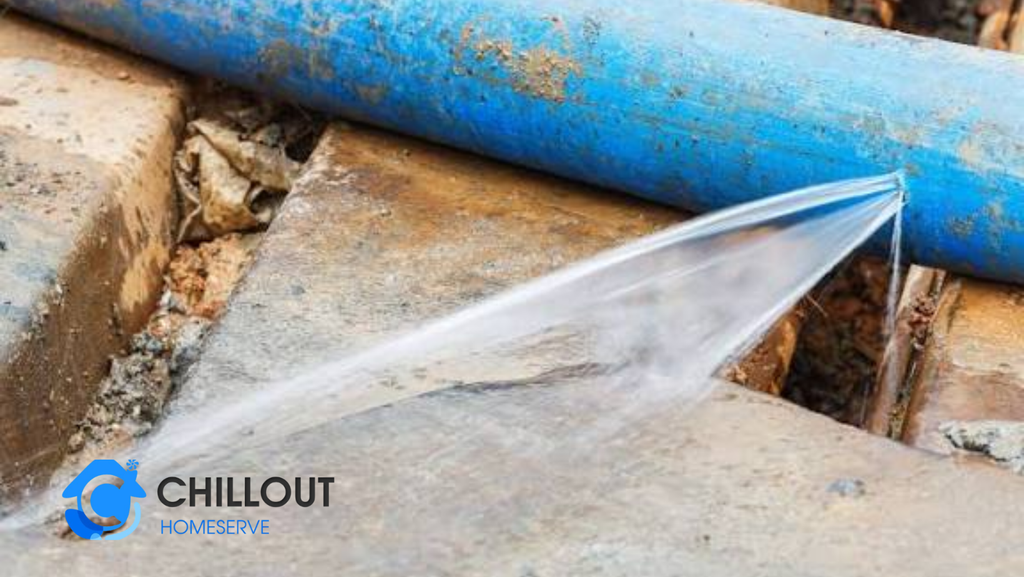
Who May Need Leaking Tap Detection and Repair?
Homeowners
Homeowners may notice dripping taps, wet sink cabinets, loose fittings, or unexpected water consumption.
Identifying the cause helps determine whether a component needs repairing or replacing.
Landlords
Landlords may need plumbing inspections when tenants report persistent leaks or moisture around bathroom and kitchen fixtures.
Maintaining plumbing fittings can help prevent further deterioration of surrounding materials.
Property Managers
Property managers often coordinate plumbing maintenance across apartments, rental homes, and shared buildings.
Documented inspections can help track recurring faults and organise appropriate repairs.
Commercial Properties
Frequently used taps in offices, educational facilities, and other buildings may experience wear affecting cartridges, seals, and connections.
Regular inspection helps identify fixtures requiring attention.
Insurance-Related Investigations
Water damage around sinks, cabinets, or walls may require investigation to identify its source.
Plumbing inspection findings and photographs can help document the circumstances, although insurance coverage depends on the relevant policy and assessment.
Benefits and Important Features of Leaking Tap Repair
Reducing Water Waste
A continuously dripping tap can waste water over time.
Repairing the affected component helps restore proper water control.
Protecting Surrounding Materials
Leaks beneath sinks can affect timber cabinets, flooring, plaster, and nearby surfaces.
Early investigation may help limit additional moisture damage.
Maintaining Plumbing Connections
Tap inspections provide an opportunity to examine accessible hoses, fittings, and isolation valves.
Damaged or deteriorated connections may require replacement.
Identifying the Actual Fault
Not every leaking tap requires complete replacement.
Some problems involve a single worn component, while others may affect the tap body or surrounding pipework.
Understanding the cause supports an appropriate repair decision.
How the Leaking Tap Detection Process Works
Step 1: Examine the Visible Leak
The plumber identifies whether water escapes from the spout, handle, tap base, or connections beneath the sink.
The fixture may be observed while operating and after being turned off.
Step 2: Inspect Internal Components
Depending on the tap design, the inspection may include washers, ceramic cartridges, O-rings, seals, and valves.
Traditional taps and modern mixer taps use different mechanisms.
For further information, see Mixer Tap Problems: Common Faults and Repair Solutions in Cyprus.
Step 3: Check Water Connections
Flexible supply hoses, threaded fittings, and accessible pipe joints are examined for moisture or deterioration.
The water supply is isolated when necessary before components are dismantled.
Step 4: Repair the Affected Component
Depending on the findings, the repair may involve replacing a washer, cartridge, seal, hose, or damaged fitting.
A complete tap replacement may be appropriate when the fixture is cracked or severely worn.

Step 5: Test the Tap
After repair, the water supply is restored and the tap is checked for normal operation.
Connections are inspected to confirm that no visible leakage remains.
For more detail about common repairs, read How to Fix a Dripping Tap: Causes and Solutions.
When a Leaking Tap May Indicate a Wider Plumbing Problem
Some water-related concerns extend beyond the visible tap.
Hidden Leaks
Water can escape from concealed supply pipes behind walls, beneath flooring, or inside enclosed cabinets.
When the source is unclear, additional Leak Detection Services may help locate the affected area.
Damp Problems
Persistent dampness around kitchens and bathrooms can result from plumbing leaks, condensation, failed seals, or building defects.
Moisture investigations help distinguish these possible causes.
Drainage Issues
Water beneath a sink may originate from a waste pipe or drainage connection rather than the tap.
Inspecting both the supply and drainage systems helps establish the source.
Underfloor Heating Faults
Underfloor heating systems contain separate circulation pipework.
Pressure changes, uneven floor temperatures, or unexplained moisture may require heating system investigations.
Water Ingress Problems
Water entering through external walls, roofs, or building openings may create damp patches similar to those caused by plumbing leaks.
A suitable investigation considers the location, timing, and pattern of moisture.
Local Experience and Plumbing Conditions in Cyprus
Plumbing installations vary across Cyprus according to property age, water supply arrangements, and previous maintenance.
Older residential buildings may contain different pipe materials and fittings from recently constructed apartments.
Mineral deposits can also accumulate around aerators, cartridges, and other tap components.
These deposits may restrict water flow or interfere with internal mechanisms.
Seasonal properties in coastal areas may remain unoccupied for extended periods, making periodic plumbing inspections useful.
Local building conditions should be considered alongside the condition of the individual fixture.
Service Areas Covered in Cyprus
ChillouthomeServe lists plumbing and property maintenance coverage across Cyprus, including the following areas.
Nicosia
Tap leaks, kitchen plumbing faults, bathroom connections, and concealed pipework concerns may occur in older houses and modern apartments.
Property owners can also explore Leak Detection Services in Nicosia for information about water leak investigations.
Larnaca
Plumbing concerns may involve mixer taps, worn seals, flexible hoses, and moisture beneath kitchen sinks.
Limassol
Residential and commercial properties may require inspections involving dripping taps, bathroom fixtures, and water supply connections.
Protaras
Seasonal homes and rental properties may experience plumbing faults related to fixture wear or periods of limited use.
Paralimni
Common plumbing concerns include leaking taps, loose connections, reduced water flow, and moisture around bathroom installations.
For wider information about available plumbing work, visit Plumbing and Home Services in Cyprus.
Related Boiler and HVAC Maintenance in Cyprus
A leaking tap and a boiler pressure problem are not necessarily connected.
Domestic taps generally use the property’s water supply, while central heating systems often contain a separate closed water circuit.
When boiler pressure repeatedly drops, the cause may involve heating pipework, valves, or other system components.
Homeowners experiencing these concerns can read Boiler Servicing in Cyprus: Maintenance and Common Heating Problems.
For additional heating and cooling information, see HVAC Maintenance in Cyprus: Preparing for Summer and Winter.
These systems should be assessed separately unless an inspection establishes a connection between the faults.
Frequently Asked Questions About Leaking Tap Detection
1. What causes a tap to leak continuously?
A tap may leak because of worn washers, damaged cartridges, deteriorated seals, or faulty internal valves. The cause depends on the tap design and where water is escaping.
2. Can a dripping tap be repaired without replacing it?
Yes. Many dripping taps can be repaired by replacing a washer, cartridge, or seal. Complete replacement may be necessary when the tap body is damaged or suitable parts are unavailable.
3. Why is water leaking beneath my kitchen sink?
Water beneath a sink may originate from supply hoses, pipe connections, isolation valves, tap fittings, or drainage components. Inspection is needed to identify the source.
4. Can a leaking tap cause damp problems?
Yes. Persistent leakage can affect cabinets, flooring, and nearby building materials. Dampness may also have other causes, so the moisture source should be confirmed.
5. Why does my mixer tap drip after being turned off?
A worn ceramic cartridge or damaged internal seal may prevent the tap from closing completely. Inspection helps identify the faulty component.
6. Does hard water contribute to tap problems in Cyprus?
Mineral deposits can affect aerators, cartridges, and other internal components. However, tap leaks may also result from ordinary wear or damaged fittings.
7. Can a leaking tap affect boiler pressure?
Usually not. Domestic taps and closed central heating circuits normally operate separately. Repeated boiler pressure loss should be investigated as a heating system concern.
8. When should I contact a plumber about a leaking tap?
A plumber should assess persistent dripping, water beneath sinks, damaged connections, recurring leaks, or moisture affecting surrounding materials.
Conclusion
A leaking tap can develop because of worn internal components, damaged seals, loose connections, or faults within the surrounding plumbing system.
Identifying the source is important before deciding whether a washer, cartridge, fitting, or complete tap requires replacement.
For homeowners, landlords, property managers, and commercial properties in Cyprus, regular plumbing inspections can help identify leaks and related moisture concerns.
When a problem involves concealed pipes, dampness, or unexplained water loss, further investigation may be necessary.
To learn more about leaking tap repair, mixer tap faults, and water leak investigations, visit ChillouthomeServe or contact the team to discuss the plumbing issue affecting your property.


One Response