Uneven room temperatures can make a property uncomfortable, even when the heating or air conditioning system appears to be working. One bedroom may feel too warm, while another remains cold. A living room may cool quickly, but a hallway receives very little airflow. These differences can point to problems with the HVAC system, air distribution, insulation or heating controls.
This guide to HVAC Service in Nicosia: Understanding Uneven Room Temperatures explains the common reasons behind temperature differences and how an inspection can help identify the cause. Property owners looking for HVAC Service in Cyprus may also experience related issues such as Boiler not heating Cyprus, Boiler losing pressure Cyprus or an HVAC water leak Cyprus problem.
Although plumbing faults are different from heating and cooling faults, they can sometimes affect the same property. Our guide to Kitchen Tap Leaks: Causes and Plumbing Repair Solutions explains how water leaks can develop around household plumbing fittings. ChillouthomeServe provides HVAC and property maintenance services across Cyprus, including Nicosia.
Why Do Some Rooms Feel Warmer or Colder Than Others?
Uneven temperatures usually develop when heat or cooled air is not distributed consistently throughout a property. The cause may involve the HVAC equipment, ductwork, filters, thermostats or the building itself.
Blocked or Dirty Air Filters
Air filters collect dust and airborne particles during normal operation. Over time, accumulated dirt can restrict airflow and make it harder for the system to circulate conditioned air.
When airflow is reduced, some rooms may receive less heating or cooling than others. Checking and maintaining filters according to the manufacturer’s instructions helps support normal system operation.
Poor Airflow and Blocked Vents
Furniture, curtains and other objects can obstruct air outlets. In properties with ducted systems, damaged or poorly balanced ductwork may also prevent air from reaching certain rooms properly.
A technician can inspect accessible vents and airflow paths to identify restrictions. Where the system allows it, adjustments to airflow distribution may help improve room comfort.
Thermostat Location and Settings
A thermostat measures the temperature around the area where it is installed. If it is positioned near a sunny window, kitchen appliance or heat source, its reading may not represent the temperature in the rest of the property.
The system may therefore stop heating or cooling before other rooms reach the desired temperature. Thermostat placement, settings and operation should be considered during an HVAC inspection.
Insulation and Sunlight Differences
Rooms with large windows, limited shading or poor insulation may gain or lose heat more quickly. This can be particularly noticeable during Cyprus summers, when direct sunlight increases indoor temperatures.
External walls, roof spaces and window seals can also influence how well a room maintains its temperature. HVAC equipment cannot always compensate for significant heat transfer through the building structure.
Equipment or Control Problems
Uneven temperatures may also be linked to a faulty fan, circulation pump, control valve, sensor or other system component. In a heat pump or central heating installation, a fault affecting water circulation can reduce heating performance in particular areas.
A proper inspection helps distinguish equipment faults from airflow or insulation problems.
Why People Choose HVAC Service in Nicosia
When temperature differences continue despite normal thermostat settings, an HVAC inspection can help establish what is happening inside the system.
Homeowners and property managers may arrange HVAC service Nicosia when certain rooms remain uncomfortable, airflow becomes weaker or the equipment runs for longer than usual.
An inspection may include checking filters, indoor and outdoor units, accessible ductwork, thermostats, electrical controls and heating or cooling components. The exact checks depend on the type of installation.
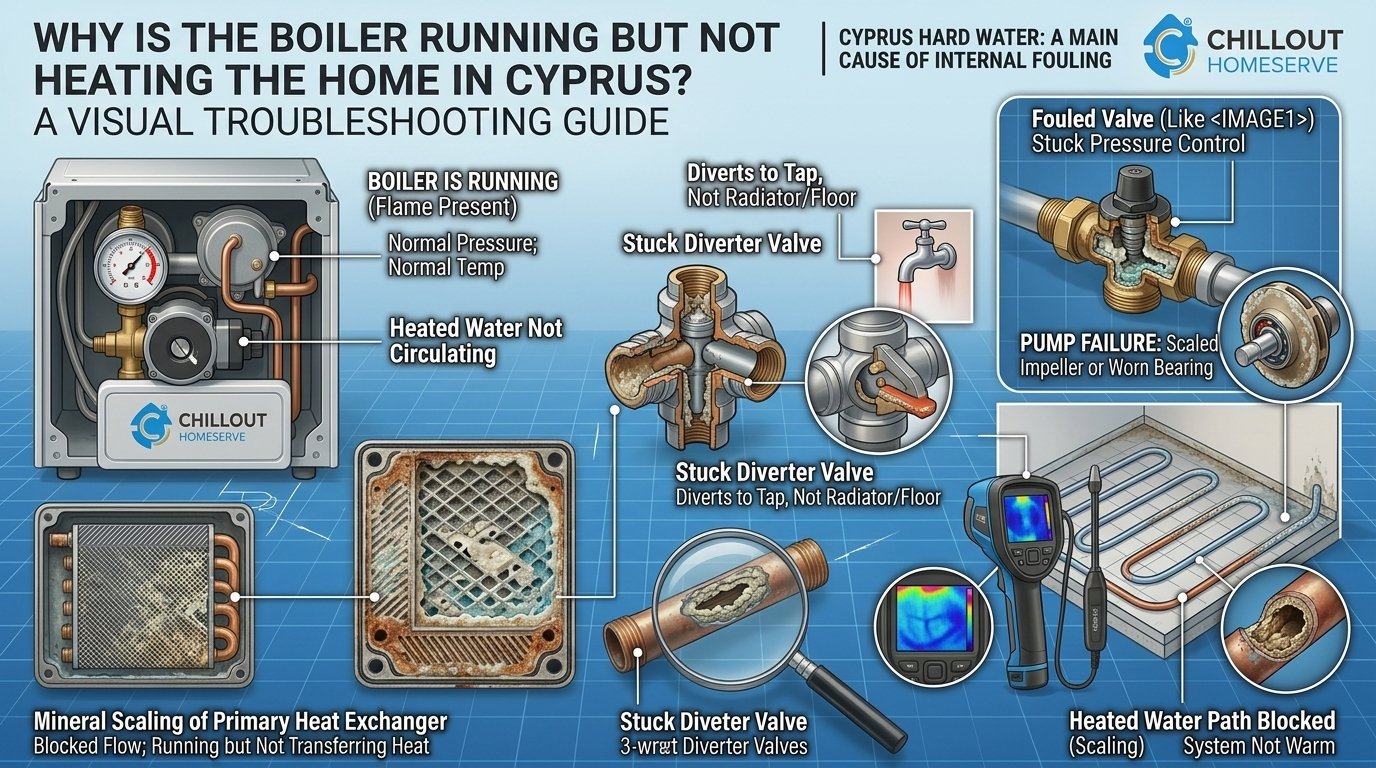
A qualified technician can also consider whether the problem is related to the wider heating system. For example, a property experiencing Boiler not heating Cyprus problems may have issues involving circulation, trapped air, pressure or heating controls.
Where pressure repeatedly drops, a Boiler losing pressure Cyprus problem may need further investigation. Repeatedly topping up a system without identifying the reason can leave the underlying fault unresolved.
Who May Need This Service?
Uneven room temperatures can affect different types of buildings and occupants.
Homeowners: Temperature differences between bedrooms, living rooms and other areas can make everyday use uncomfortable. An inspection can help identify airflow restrictions, equipment faults or control problems.
Landlords: Tenants may report rooms that remain cold during winter or become excessively warm during summer. Investigating the cause helps landlords understand whether the issue involves the HVAC system or the building structure.
Property managers: Properties with several rooms, separate heating zones or multiple air conditioning units may require periodic system checks to identify inconsistent performance.
Commercial properties: Offices, shops and other workplaces may experience uneven temperatures because of occupancy levels, equipment heat, room layouts or ventilation arrangements. Planned Commercial HVAC maintenance Cyprus inspections can help assess equipment condition and airflow distribution.
Insurance-related investigations: Where a heating or cooling fault has caused water damage, inspection findings may help establish the affected area and possible source. Further investigation may be needed before the cause can be confirmed.
Benefits and Important Features of an HVAC Inspection
More Consistent Indoor Temperatures
Identifying restricted airflow, control faults or circulation problems can help address the reasons why some rooms feel different from others.
Improved System Operation
Dirty filters, obstructed vents and certain equipment faults can affect normal operation. Addressing these issues may help the system distribute conditioned air more effectively.
Early Identification of Leaks
Some HVAC installations produce condensate water during cooling. If drainage becomes blocked or a connection is damaged, water may collect around the indoor unit.
An HVAC water leak Cyprus investigation may involve checking the condensate tray, drain line, connections and surrounding surfaces. Water stains or damp patches should not automatically be assumed to come from the air conditioning system, as nearby plumbing may also be responsible.
Understanding Heating System Faults
Uneven heating can sometimes be associated with radiator circulation, underfloor heating controls or boiler performance. A system inspection can help identify whether the issue is isolated to one room or affects the wider installation.
Better Awareness of Building Moisture
If damp patches, staining or water ingress appear near HVAC equipment, the affected area may need a separate moisture investigation. ChillouthomeServe can assess related property concerns, including concealed leaks and moisture problems.
How the HVAC Service Process Works
The inspection process depends on the equipment installed and the symptoms reported.
1. Initial Assessment
The technician discusses which rooms are affected, when the temperature difference occurs and whether the problem happens during heating, cooling or both.
2. System Inspection
Accessible filters, vents, indoor and outdoor units, thermostats and controls are examined. The technician may also review the system’s operating settings and visible condition.
3. Airflow and Temperature Checks
Where appropriate, airflow and temperature readings are taken at different points. Comparing these readings can help identify whether air distribution is contributing to the problem.
4. Heating and Cooling Component Checks
Depending on the installation, the inspection may include fans, pumps, valves, sensors and other components. Underfloor heating systems may need separate checks of their manifold, circulation and zone controls.
5. Leak and Moisture Investigation
If water stains, dampness or unexplained moisture are present, the source may require further investigation. ChillouthomeServe also provides Leak Detection Services and Thermal Imaging and Moisture Investigation Services.
6. Findings and Recommended Next Steps
After the inspection, the findings can be explained along with the components or areas that may need attention. Any repair should be based on the identified fault rather than assumptions about the cause.
Local Experience Across Nicosia and Cyprus
Buildings in Nicosia vary in age, construction and heating or cooling arrangements. Some properties use wall-mounted split air conditioning units, while others have ducted systems, heat pumps, radiators or underfloor heating.
The local climate also places different demands on HVAC equipment throughout the year. Summer cooling can involve long operating periods, while winter heating requirements vary with the property and its insulation.
ChillouthomeServe considers the type of installation, building layout and reported symptoms when investigating uneven temperatures. The same approach can be useful when arranging HVAC repair Cyprus or checking related plumbing and moisture concerns.
Service Areas Covered
ChillouthomeServe provides property maintenance and HVAC-related services across several locations in Cyprus, including:
- Nicosia and surrounding communities
- Larnaca
- Limassol
- Protaras
- Paralimni
Service requirements can vary depending on the equipment, property layout and nature of the reported problem.
Frequently Asked Questions
Why is one room colder than the rest of my house?
A room may remain cold because of restricted airflow, blocked vents, poor insulation, thermostat placement or a heating circulation problem. An inspection can help identify the specific cause.
Can a dirty air filter cause uneven room temperatures?
Yes. A heavily blocked filter can restrict airflow and affect how conditioned air moves through the property. Filters should be checked and maintained according to the manufacturer’s instructions.
Can an HVAC system cause water leaks?
Yes. During cooling, an air conditioning system produces condensate water. A blocked drain line, damaged tray or loose connection may cause water to escape around the indoor unit.
Does uneven heating mean my boiler is faulty?
Not necessarily. The problem may involve radiator air, circulation, valves, controls or insulation. A technician should assess the heating system before identifying the cause.
How often should an HVAC system be inspected in Cyprus?
Inspection frequency depends on the equipment, how often it operates and the manufacturer’s maintenance guidance. Systems used heavily during summer may need particular attention to filters, drainage and general condition.
Conclusion
Uneven room temperatures can result from airflow restrictions, thermostat problems, insulation differences or faults within heating and cooling equipment. Identifying the cause is important because adjusting the thermostat alone may not resolve the underlying issue.
For properties in Nicosia and across Cyprus, ChillouthomeServe provides HVAC inspections and related property investigation services. If some rooms remain warmer or colder than others, or if you notice unusual airflow, water leaks or damp patches, arrange an assessment to help establish the source of the problem and the appropriate next steps.