
Living in Cyprus means dealing with two different demands on indoor temperature control. During summer, air conditioning systems often operate for long periods to keep homes comfortable. In winter, heating equipment becomes more important, particularly during cooler evenings and mornings.
HVAC Maintenance in Cyprus: Preparing for Summer and Winter explains how seasonal inspections help identify equipment problems, maintain airflow, and prepare heating and cooling systems for changing weather conditions.
Many property owners arrange an HVAC Service in Cyprus when air conditioners stop cooling effectively or heating equipment begins behaving differently. Others encounter problems discussed in Boiler Not Heating Your Home in Cyprus? Causes and Next Steps, particularly when boilers remain unused for several months.
Searches such as Boiler not heating Cyprus, Commercial HVAC maintenance Cyprus, HVAC water leak Cyprus, HVAC repair Cyprus, HVAC service Nicosia, and Boiler losing pressure Cyprus reflect common concerns involving heating performance, water circulation, equipment maintenance, and concealed leaks.
ChillouthomeServe addresses heating, cooling, plumbing, and moisture-related concerns across Cyprus. Understanding seasonal maintenance requirements helps homeowners, landlords, and property managers recognize when their systems need professional attention.
Why People Choose HVAC Maintenance in Cyprus Before Seasonal Changes
Heating and cooling equipment works under different conditions throughout the year. An air conditioner that operated normally during spring may experience airflow restrictions during extended summer use. Similarly, a heating system that has remained inactive may develop noticeable problems when restarted in winter.
Seasonal maintenance provides an opportunity to assess equipment condition before heavier use.
Preparing Air Conditioning Systems for Summer
Summer temperatures in Cyprus can place considerable demands on cooling equipment.
Dust accumulation, obstructed filters, dirty coils, and restricted outdoor airflow can affect cooling performance.
A maintenance inspection may include examining filters, checking fan operation, assessing temperature controls, and reviewing the condition of the indoor and outdoor units.
These checks help identify components that require cleaning, adjustment, or further investigation.
Preparing Heating Systems for Winter
Winter preparation involves examining the heating equipment installed in the property.
For homes using boilers, relevant checks may include system pressure, radiator circulation, thermostat operation, and accessible pipe connections.
Heat pump systems may require checks of operating modes, airflow, controls, and relevant components.
Heating equipment should be inspected according to manufacturer instructions and by personnel qualified for the system type.
Understanding Seasonal Equipment Wear
Repeated heating and cooling cycles can place demands on electrical, mechanical, and water-circulation components.
Maintenance cannot prevent every equipment fault, but it can help identify visible deterioration, drainage problems, and changes in operating performance.
Who May Need Seasonal HVAC Maintenance?
Different properties have different heating and cooling requirements.
Homeowners
Homeowners may need HVAC inspections when indoor temperatures become inconsistent, cooling performance decreases, or heating equipment develops unusual noises.
Seasonal checks can help establish whether the system is ready for periods of increased use.
Landlords
Landlords may arrange maintenance before new tenants occupy a property or when occupants report heating and cooling problems.
Inspection records can help document equipment condition and identify necessary maintenance.
Property Managers
Property managers responsible for multiple homes or apartment buildings may coordinate seasonal inspections across different HVAC installations.
Keeping records of recurring faults can help identify equipment that requires additional attention.
Commercial Properties
Offices, shops, and other commercial buildings may use larger cooling systems, multiple indoor units, or centralized temperature controls.
Commercial HVAC maintenance in Cyprus may involve checking equipment operation, airflow distribution, electrical components, drainage, and temperature controls according to the installed system.
Insurance-Related Investigations
Water damage near heating or cooling equipment may require investigation to establish the source of moisture.
Inspection findings, moisture measurements, and photographs can help document affected materials and support further property assessments.
Important Benefits of Seasonal HVAC Maintenance
Maintaining Consistent Indoor Temperatures
Restricted airflow, dirty components, and control problems can affect how effectively HVAC equipment maintains the selected temperature.
Addressing identified maintenance issues may help restore more consistent heating and cooling.
Supporting Equipment Efficiency
Air conditioners and heating systems can consume additional energy when components are obstructed or operating incorrectly.
Cleaning appropriate components and correcting faults may support normal equipment performance. Actual energy consumption depends on system design, condition, and usage.
Identifying Drainage Problems
Air conditioning systems produce condensation during cooling.
This water normally passes through a condensate drainage system.
A blocked or damaged drainage pipe may allow water to collect inside the unit or reach surrounding walls and ceilings.
Checking drainage components helps identify these problems before moisture continues to spread.
Understanding Heating System Pressure
Sealed boiler systems require suitable operating pressure.
Repeated pressure loss may indicate leaking connections, expansion vessel problems, or faults elsewhere in the heating circuit.
An inspection can help determine whether further testing is required.
Recognizing Developing Equipment Faults
Unusual noises, vibration, reduced airflow, and inconsistent temperatures may indicate component problems.
Identifying these changes provides useful information about maintenance and repair requirements.
What Does the Seasonal HVAC Maintenance Process Include?
The exact maintenance procedure depends on the equipment type, installation, manufacturer recommendations, and reported symptoms.
Step 1: Reviewing System Performance
The technician begins by discussing how the equipment has been operating.
Relevant information may include:
- Rooms taking longer to cool
- Heating not reaching the selected temperature
- Unusual sounds during operation
- Water appearing around indoor units
- Changes in boiler pressure
- Inconsistent airflow
- Repeated equipment shutdowns
Understanding these symptoms helps guide the inspection.
Step 2: Inspecting Air Conditioning Components
An air conditioning inspection may include examining air filters, coils, fans, accessible pipe connections, and condensate drainage.
Outdoor equipment may also be checked for debris, airflow restrictions, corrosion, and visible deterioration.
Step 3: Checking Heating Equipment
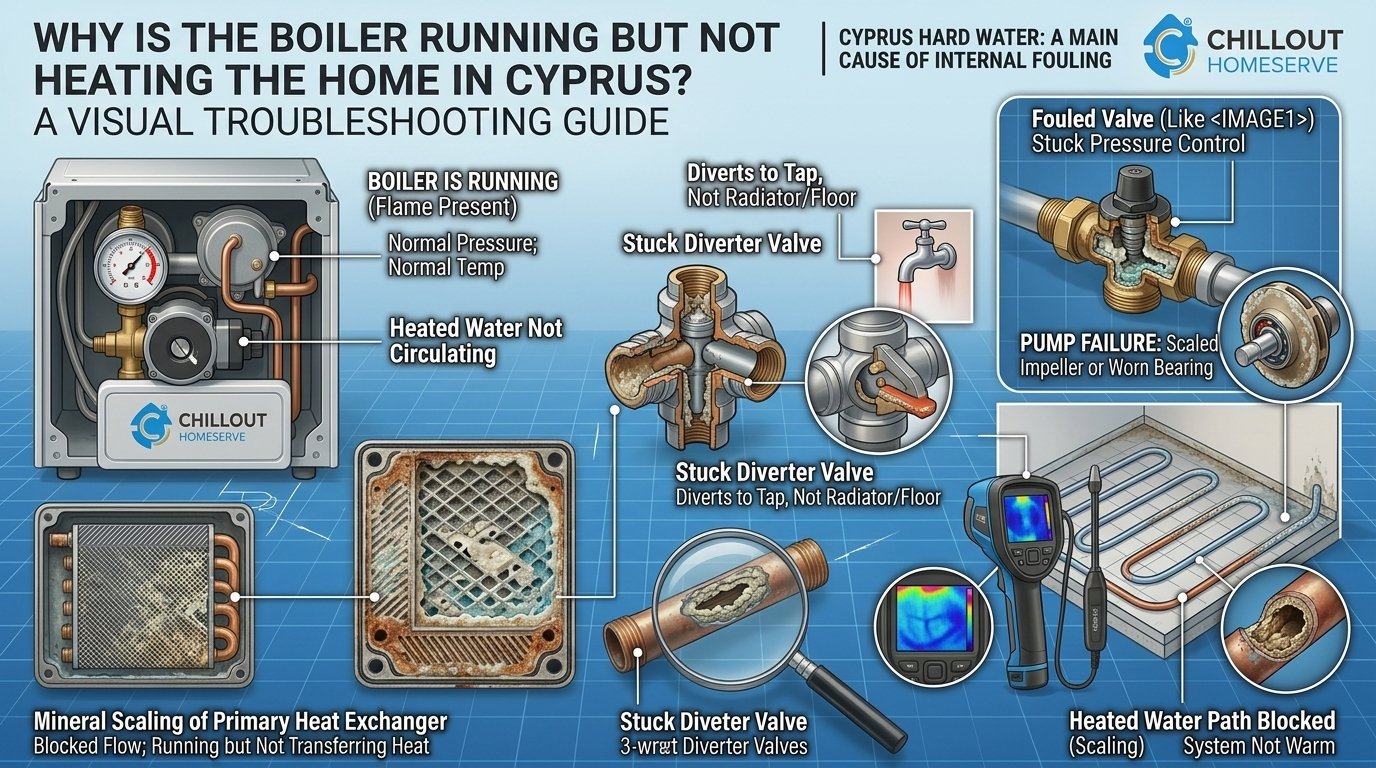
Where a property uses a boiler or hydronic heating system, checks may include operating pressure, controls, circulation components, radiators, and accessible pipework.
Heat pumps and other heating equipment require inspection procedures appropriate to their design.
Step 4: Assessing Electrical Controls
Thermostats, sensors, and electrical controls influence system operation.
Qualified technicians may assess relevant connections and operating conditions according to equipment requirements.
Step 5: Investigating Additional Faults
If the inspection identifies suspected water loss, drainage problems, or concealed moisture, further testing may be necessary.
The investigation method depends on the location of the problem and the equipment involved.
Step 6: Reviewing the Findings
After the assessment, the technician can explain the observed conditions and identify any cleaning, repairs, adjustments, or additional investigations required.
HVAC Water Leaks and Related Property Problems
Not every HVAC problem involves temperature control. Water leaks and moisture concerns can also develop around heating and cooling installations.
Hidden Water Leaks
Concealed plumbing and heating pipes may run behind walls or beneath flooring.
A slow leak can cause moisture to accumulate without immediately producing visible water.
Moisture testing, pressure assessment, and thermal imaging may help identify areas requiring further investigation.
Damp Problems
Damp patches near HVAC equipment may result from condensate drainage faults, plumbing leaks, condensation, or external water ingress.
Identifying the moisture source is important before repairing affected surfaces.
Drainage Issues
Blocked condensate pipes can cause water to overflow from air conditioning equipment.
Separate building drainage problems may also contribute to moisture around floors or walls.
The investigation should distinguish between HVAC drainage and other plumbing systems.
Underfloor Heating Faults
Underfloor heating systems circulate warm water through pipe circuits beneath the floor.
Problems may involve circulation restrictions, faulty controls, manifold components, or concealed leaks.
Suitable pressure testing and thermal assessment can help investigate the affected system.
Water Ingress Problems
Rainwater penetration and building-envelope defects can sometimes create moisture patterns similar to plumbing leaks.
Thermal imaging and moisture measurements may help identify affected areas, but additional investigation is usually needed to confirm the cause.
Local HVAC Experience and Seasonal Conditions in Cyprus
Cyprus has a Mediterranean climate, with hot, dry summers and generally milder winters. However, local conditions vary between inland, coastal, and elevated areas.
These differences can influence how frequently heating and cooling equipment operates.
Summer Conditions
During summer, air conditioners may run for extended periods, particularly in inland areas.
Dust accumulation and restricted airflow can become more noticeable when equipment is used frequently.
Winter Conditions
Winter heating requirements depend on the property’s location, insulation, and installed equipment.
Boilers, heat pumps, and other heating systems may require inspection after long periods of limited use.
Coastal Environmental Conditions
In coastal locations, salt-laden air and humidity may contribute to deterioration of exposed metal components over time.
Outdoor equipment condition should be considered during maintenance, particularly where installations are exposed to the surrounding environment.
ChillouthomeServe addresses HVAC, heating, plumbing, and moisture concerns in Cyprus, taking property conditions and equipment design into account.

HVAC Service Areas Across Cyprus
HVAC Maintenance in Nicosia
Nicosia experiences high summer temperatures and cooler winter conditions.
HVAC inspections may focus on cooling performance, filter condition, temperature controls, and heating circulation.
HVAC Maintenance in Larnaca
Coastal conditions in Larnaca can affect exposed outdoor equipment.
Maintenance may involve examining condenser units, drainage systems, electrical components, and heating controls.
HVAC Maintenance in Limassol
Homes and other properties in Limassol may rely on air conditioning for much of the warmer season.
Airflow checks, condensate drainage inspections, and cooling system assessments are relevant maintenance considerations.
HVAC Maintenance in Protaras
Some properties in Protaras experience seasonal occupancy.
Heating and cooling systems may remain unused for extended periods before being operated regularly again.
Equipment checks can help identify faults that become noticeable after inactivity.
HVAC Maintenance in Paralimni
Properties in Paralimni may use split air conditioning units, heat pumps, boilers, or other heating systems.
Maintenance requirements depend on equipment type, operating condition, and usage.
Frequently Asked Questions About HVAC Maintenance in Cyprus
How often should HVAC systems be maintained in Cyprus?
Many residential HVAC systems benefit from an annual professional inspection. Equipment used frequently or exposed to dusty and coastal conditions may require additional maintenance according to manufacturer guidance.
What should be checked before summer?
Summer preparation may include checking air filters, cooling coils, fan operation, outdoor airflow, temperature controls, and condensate drainage.
What HVAC maintenance is needed before winter?
Winter preparation depends on the heating system. Boiler inspections may include pressure, circulation, controls, and pipe connections, while heat pump checks focus on appropriate operating components and heating performance.
Why is my air conditioner leaking water?
Water leakage may result from a blocked condensate drain, damaged drainage connection, or another equipment fault. The source should be identified before repairs are carried out.
Why does my boiler keep losing pressure?
Repeated boiler pressure loss may be associated with leaking heating pipes, radiator connections, expansion vessel problems, or pressure relief valve faults.
Conclusion
Seasonal changes in Cyprus place different demands on heating and cooling equipment. Air conditioning systems often operate for long periods during summer, while boilers and heat pumps become more important during the cooler months.
HVAC Maintenance in Cyprus: Preparing for Summer and Winter highlights the importance of inspecting airflow, drainage, controls, circulation components, and equipment condition before seasonal use.
Regular maintenance provides information about developing faults and helps property owners understand when additional inspection or repair is necessary.
ChillouthomeServe provides information about HVAC maintenance, heating equipment, air conditioning, plumbing, and moisture-related investigations across Nicosia, Larnaca, Limassol, Protaras, and Paralimni.
For more information about seasonal maintenance and system inspections, visit ChillouthomeServe – HVAC Service in Cyprus or contact the team to discuss heating, cooling, or water-related concerns affecting your property.

One Response