
When a boiler stops heating a home properly, everyday comfort can quickly become a problem. You may notice that the radiators remain cold, the rooms take longer to warm up or the boiler runs without producing enough heat. In Cyprus, these issues often become noticeable when households start using central heating during the cooler months.
If your boiler is not heating in Cyprus, the cause may involve low pressure, trapped air, faulty heating controls, circulation problems or a damaged component. Understanding Boiler Not Heating Your Home in Cyprus? Causes and Next Steps can help you recognise the symptoms and decide when an inspection is needed.
The issue may also involve the wider heating and cooling system. HVAC Service in Cyprus can cover heating equipment, air conditioning and ventilation, while Thermal Imaging & Moisture Investigation may help assess suspected leaks around concealed heating pipes.
ChillouthomeServe helps homeowners, landlords and property managers investigate heating, plumbing and moisture-related problems across Cyprus.
Why Is Your Boiler Not Heating Your Home?
A boiler can appear to be operating while the heating system fails to distribute warmth around the property. The boiler itself may not be the source of the problem. Sometimes the fault is found in the controls, pipework, radiators or circulation components.
Here are some common causes.
1. Low Boiler Pressure
Low pressure is a common reason why some sealed central heating systems fail to operate correctly. When pressure falls below the level recommended by the manufacturer, the boiler may stop heating or display a fault code.
Possible reasons include:
- A leak in the heating circuit
- A leaking radiator valve
- A faulty pressure-relief valve
- An expansion vessel problem
Check the pressure gauge and compare its reading with the boiler manual. Many domestic sealed systems operate at around 1 to 1.5 bar when cold, but the correct range depends on the appliance.
If pressure keeps dropping, adding water repeatedly will not resolve the underlying cause. The system needs to be inspected.
2. Trapped Air in Radiators
Air can collect inside radiators and prevent hot water from filling the entire unit. This often causes a radiator to remain cold at the top while the lower section becomes warm.
You may also hear bubbling or gurgling sounds when the heating operates.
Bleeding a radiator may resolve the issue when trapped air is responsible. However, the heating should be switched off and the radiator allowed to cool before opening its bleed valve. System pressure should also be checked afterwards.
If air keeps returning, the heating circuit may need further investigation.
3. Faulty Thermostat or Heating Controls
Sometimes the boiler is working correctly, but the thermostat or heating controls are not requesting heat.
Check whether the thermostat is set to the required temperature and whether the heating schedule is active. If the display is blank or the system does not respond to adjustments, there may be an electrical or control fault.
A qualified technician can check the controls and determine whether the issue is related to the thermostat, wiring or boiler connection.
4. Circulation Pump Problems
The circulation pump moves heated water through the pipework and radiators. If it becomes faulty or struggles to operate, heat may not reach all parts of the property.
Possible symptoms include unusual humming noises, cold radiators and uneven heating between rooms.
A pump problem should be assessed by a qualified technician. Replacing components without checking the cause may leave the original circulation issue unresolved.
5. Blocked Pipework or Sludge
Over time, heating systems can accumulate deposits and corrosion products. These materials may restrict water flow through radiators and pipes.
A radiator that is warm at the top but cold at the bottom may have restricted circulation caused by sludge.
Depending on the condition of the system, a technician may recommend cleaning, flushing or another form of repair.
6. Diverter Valve or Internal Boiler Fault
Some boilers provide both central heating and hot water. A faulty diverter valve may prevent heated water from reaching the radiators even when the boiler continues to provide hot water.
Other possible faults include temperature sensors, internal controls and heat exchanger problems.
These components should be inspected by an appropriately qualified professional. Homeowners should not remove the boiler casing or attempt internal repairs.
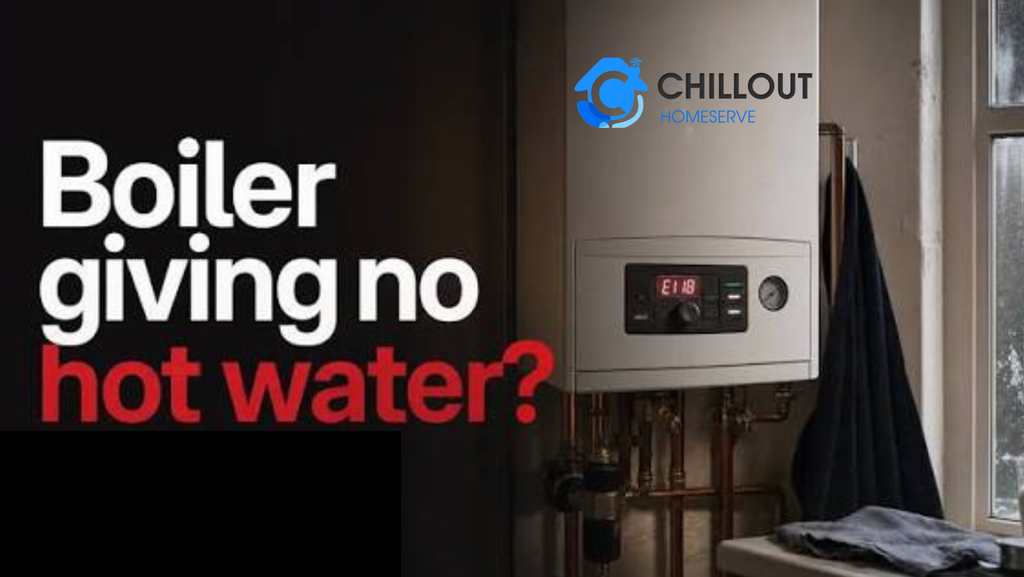
Boiler Repair in Cyprus: Common Faults and Their Solutions
Boiler Repair in Cyprus: Common Faults and Their Solutions depends on identifying the actual fault rather than replacing parts based only on symptoms.
For example, low pressure may require investigation of the heating circuit, while a circulation problem may involve the pump, valves or restricted pipework.
The appropriate repair could involve:
- Correcting a faulty heating control
- Repairing a leaking connection
- Replacing a defective valve
- Addressing circulation problems
- Cleaning restricted heating components
- Investigating repeated pressure loss
Gas-related work and internal boiler repairs must be handled by suitably qualified professionals, following the manufacturer’s instructions and applicable safety requirements.
When a Heating Problem May Involve a Hidden Leak
A boiler that repeatedly loses pressure may have a leak somewhere in the heating circuit. The water may escape from a visible radiator connection, but it can also leak from pipes concealed beneath floors or behind walls.
Common warning signs include damp patches, peeling paint, unexplained moisture, warm floor areas or repeated pressure changes.
Thermal Imaging & Moisture Investigation
Thermal Imaging & Moisture Investigation can help assess suspected leaks around concealed heating pipes and underfloor heating systems.
A thermal camera records surface temperature patterns. These patterns may help identify areas that require closer inspection, but thermal imaging does not directly see water inside walls or floors.
Other methods, such as pressure testing and moisture measurements, may be needed to confirm the source.
Related Plumbing and Drainage Problems
Not all water damage comes from a heating circuit. A leaking supply pipe, faulty bathroom connection or drainage problem can produce similar signs.
Depending on the symptoms, further investigation may involve plumbing checks, leak detection or CCTV drain inspection.
Who May Need Boiler and Heating Inspection?
Homeowners
Homeowners may need an inspection when radiators remain cold, boiler pressure falls repeatedly or heating performance changes during winter.
Landlords
Landlords may arrange checks when tenants report heating problems, water leaks or inconsistent hot water. Keeping records of previous faults can help identify recurring issues.
Property Managers
Property managers responsible for several properties may need to investigate boiler faults, concealed leaks and underfloor heating problems across different installations.
Commercial Property Owners
Commercial HVAC maintenance Cyprus may involve larger heating and cooling installations, depending on the building and equipment. Inspection requirements differ from domestic boiler servicing and should follow the system manufacturer’s guidance.
Insurance-Related Investigations
Where water damage affects a property, an investigation may be required to identify whether the source is a heating pipe, plumbing connection or another part of the building.
How the Inspection Process Works
Step 1: Discuss the Symptoms
The first step is to understand what is happening. This may include cold radiators, pressure loss, unusual noises, boiler fault codes or water around heating equipment.
Step 2: Inspect the Heating System
Accessible components, pressure readings, controls, radiators and visible pipe connections are checked according to the system type and reported problem.
Step 3: Investigate the Possible Cause
If the symptoms suggest a hidden leak or moisture problem, additional testing may be recommended. The method depends on the suspected fault and the property’s layout.
Step 4: Explain the Findings
The findings help determine whether the problem requires a boiler repair, plumbing work, circulation adjustment or further investigation.
HVAC and Heating Support Across Cyprus
Heating requirements vary between properties in Cyprus. Some homes use boilers with radiators, while others have heat pumps, underfloor heating or combined heating and cooling arrangements.
During summer, air conditioning systems are used more frequently. In winter, heating equipment may remain unused for several months before being switched on again.
This seasonal pattern makes it useful to check heating controls, pressure and visible pipework before regular winter use begins.
ChillouthomeServe provides heating, plumbing and related property investigation services across Nicosia, Larnaca, Limassol, Protaras and Paralimni.
Service Areas Covered
ChillouthomeServe supports properties in:
- Nicosia: Boiler faults, radiator problems, plumbing leaks and heating circulation issues.
- Larnaca: Domestic heating concerns, pressure loss and concealed water leaks.
- Limassol: Boiler and HVAC concerns, moisture investigation and plumbing problems.
- Protaras: Seasonal heating checks, underfloor heating concerns and water leaks.
- Paralimni: Radiator faults, boiler problems and household plumbing issues.
The appropriate inspection depends on the equipment installed and the symptoms reported.
Frequently Asked Questions
Why is my boiler running but my radiators are cold?
Possible causes include low pressure, trapped air, faulty heating controls, a circulation pump problem or a diverter valve fault. The system needs to be checked to identify the cause.
Can low boiler pressure stop my heating?
Yes. If pressure falls below the boiler’s recommended operating range, some systems may stop heating or display a fault. Repeated pressure loss should be investigated for leaks or component faults.
Why does my boiler provide hot water but no heating?
This may indicate a diverter valve problem, faulty thermostat, heating control issue or restricted circulation. The exact cause depends on the boiler and heating arrangement.
Can a hidden leak cause my boiler to stop heating?
Yes. A leak in a sealed heating circuit can cause pressure to fall, which may prevent the boiler from operating correctly. Concealed leaks may require additional testing to locate.
Can thermal imaging find an underfloor heating leak?
Thermal imaging can show temperature patterns that may help locate an area requiring investigation. Pressure testing and other checks may be needed to confirm a leak.
When should I arrange a boiler inspection?
Arrange an inspection if the boiler repeatedly loses pressure, radiators remain cold, unusual noises continue or the heating system stops responding normally.
Conclusion
A boiler that is not heating your home may have a simple issue, such as trapped air, or a more complex fault involving pressure, circulation, controls or concealed pipework. Identifying the cause is important before deciding which repair is required.
If your heating system is not working properly, or you have noticed dampness and unexplained pressure loss, ChillouthomeServe can help investigate the problem across Cyprus. Contact the team to discuss the symptoms and arrange an appropriate assessment for your property.


One Response