
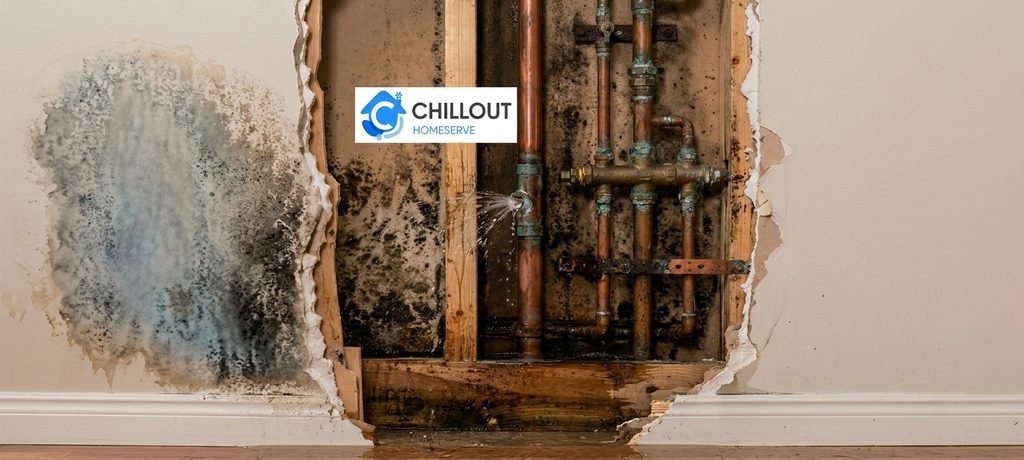
Hidden Water Leak inside a building do not always present themselves as visible drips or overflowing fixtures. In many Cyprus properties, supply lines run concealed behind rendered walls, beneath ceramic tiles, or under solid concrete foundations. When a pipe breaks or develops a pinhole fracture out of sight, moisture quietly accumulates long before any obvious pooling appears on the floor.
Detecting structural moisture issues early protects your building from costly repairs. A sudden high water bill, a continuously moving water meter when all taps are turned off, unexplained wall leak damp patches, or a concealed leak under concrete slabs are classic signs that plumbing lines require attention. Understanding how to track down these hidden issues helps property owners address potential plumbing faults and related heating issues, such as asking why is my boiler not working? common causes and solutions often trace back to pressure drops caused by internal plumbing leaks.
Why People Search for Hidden Water Leak
Unexplained water loss presents serious challenges for local building owners. In Cyprus, where water resources are carefully managed and municipal utility rates reflect consumption tiers, an unaddressed plumbing issue quickly leads to unexpected costs.
Beyond financial concerns, structural moisture compromises masonry, causes paint blistering, and encourages black mold growth inside living areas. Property owners seek clear guidance on finding hidden leaks because early identification prevents widespread damage to floor slabs, internal plasterwork, and nearby electrical conduits.
Professional Leak Identification with Chillouthome Serve
Locating concealed plumbing faults requires specialized techniques that eliminate unnecessary destruction of walls or floors. Chillouthome Serve provides comprehensive property maintenance and leak detection solutions across Cyprus, helping residents pinpoint the exact origin of moisture intrusion without invasive structural damage.
Using thermal imaging cameras, acoustic listening devices, and trace gas equipment, field technicians evaluate internal pipework, heating circuits, and drainage systems to determine where water is escaping.
Who May Need Hidden Water Leak Inspection Services
Concealed water leaks affect various types of buildings and occupants across the island. Those who frequently require detailed leak investigations include:
- Homeowners: Protecting residential structures from long-term moisture accumulation and high utility expenses.
- Landlords: Maintaining structural integrity and ensuring living spaces remain safe and dry for tenants.
- Property Managers: Handling communal blocks, holiday apartments, and multi-unit residential complexes where shared supply shafts can leak onto lower floors.
- Commercial Properties: Safeguarding offices, retail stores, hotels, and restaurants against operational disruptions caused by plumbing failures.
- Insurance Investigations: Providing detailed reporting and evidence regarding accidental water damage for property insurance claims.
Field specialists investigate a broad range of concealed issues, including:
- Hidden supply line leaks behind brickwork or plasterboard.
- Persistent damp problems along internal and external walls.
- Drainage line cracks and joint separations.
- Underfloor heating circuit leaks and pressure drops.
- Water ingress issues through foundations and exterior basements.
Key Signs and Benefits of Early Detection
Recognizing early indicators of internal water loss keeps maintenance straightforward and manageable.
Primary Signs of a Hidden Leak
- Unexplained High Water Bill: A sudden spike in monthly usage without changes in daily habits often points to continuous water loss.
- Moving Water Meter: If all interior fixtures, appliances, and outdoor hoses are completely closed, but the main water meter dial continues to spin, water is leaking somewhere along the main line.
- Damp or Warm Spots on Floors: A leak under a concrete slab or within underfloor heating pipes often creates localized warm zones or discolored grout lines.
- Peeling Paint and Salting Walls: Moisture rising through walls causes plaster to soften, paint to bubble, and mineral salts to form on rendered surfaces.
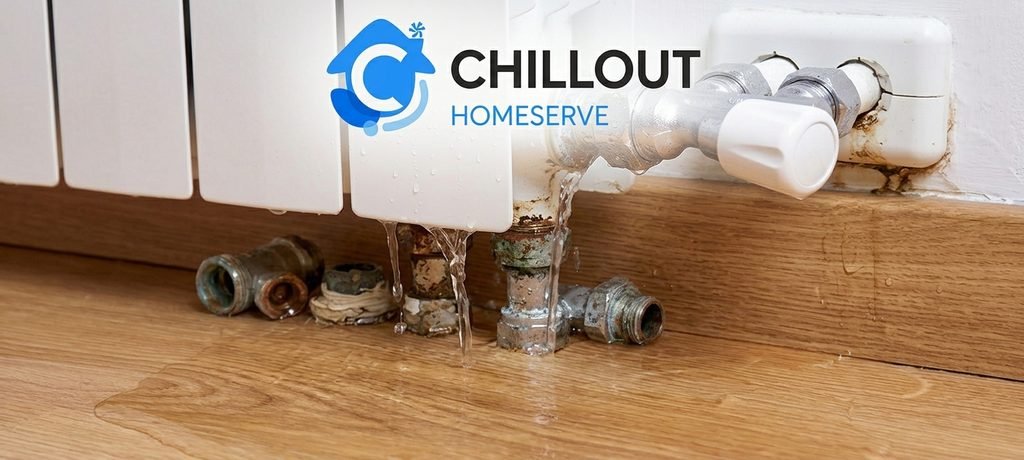
- Boiler Pressure Drops: Closed-loop central heating systems rely on stable pressure. Frequent pressure losses often indicate a slow leak within hidden pipework or the heat exchanger.
Benefits of Professional Thermal and Acoustic Testing
- Non-Destructive Inspections: Pinpointing leak origins using acoustic sensors and thermal imagery avoids opening up wide sections of flooring or walls.
- Targeted Repairs: Plumbers access only the precise location of the damaged pipe, preserving surrounding tile work and masonry.
- Structural Preservation: Preventing water from saturating foundation concrete or weakening load-bearing walls.
How the Leak Detection Process Works
A methodical inspection process ensures accurate diagnosis without unnecessary disruption to the building structure.
- Isolation Testing: Technicians check the main water meter and isolate specific supply branches to confirm whether the leak stems from fresh cold water, hot water lines, or heating circuits.
- Thermal Imaging & Acoustic Scanning: Infrared cameras detect minute temperature differences along walls and floors caused by escaping water. Acoustic instruments amplify the sound of pressurized water escaping from pipes deep inside concrete or brickwork.
- Moisture Depth Measurement: Electronic moisture meters track dampness gradients across walls to map the full footprint of water migration.
- Targeted Access & Repair: Once the precise coordinate is confirmed, a minimal opening is made to repair the damaged pipe segment or fitting.
- System Pressure Re-Testing: After replacing the damaged component, the plumbing network undergoes pressure testing to verify complete system integrity.
Local Experience and Cyprus Climate Factors
Buildings in Cyprus present unique structural features that influence how water moves through property structures:
- Slab-on-Grade & Stone Construction: Many modern and traditional homes are built on solid concrete foundations with tile overlays. Water escaping beneath concrete travels horizontally before rising through lower wall mortar, making the visible damp patch appear far from the actual leak source.
- Hard Water Deposits: Local water supplies carry high mineral content. Scale buildup inside hot water pipes, solar panel feeds, and mixer cartridges can cause localized corrosion, micro-cracks, and seal degradation over time.
- Seasonal Temperature Fluctuations: Ground movement during dry summer months followed by wet winter conditions puts physical stress on buried pipes and outdoor connections.
Understanding local construction standards ensures accurate assessment of water ingress across residential and commercial premises.
Service Areas Covered
Assistance with hidden leak investigations, structural moisture assessments, and general heating and plumbing maintenance is available across Cyprus, including:
- Nicosia
- Limassol
- Larnaca
- Paphos
- Paralimni & Ayia Napa
- Surrounding suburban and rural villages

Frequently Asked Questions
-
How can I test if I have a water leak using my water meter?
Turn off every tap, shower, washing machine, and irrigation valve on the property. Locate your municipal water meter box and observe the central indicator or digital reading. If the meter wheel continues turning while all fixtures are off, water is actively leaking along your supply line.
-
Can a water leak under concrete damage the house foundation?
Yes. Continuous water flow beneath a concrete slab can erode the underlying soil sub-base, leading to floor settling, cracked tiles, and rising dampness through ground-floor walls.
-
Why does my central heating boiler keep losing pressure?
A drop in boiler pressure usually points to a leak within the closed-loop pipework, an expansion vessel fault, or a leaking pressure relief valve. If no water is visible around the boiler unit itself, the leak is likely located in buried heating lines under the floor or behind walls.
-
Will thermal cameras show exact leak locations through floor tiles?
Thermal imaging cameras detect surface temperature variations caused by hot or cold water pooling beneath floors or behind plaster. Combined with acoustic listening equipment, thermal scanning allows technicians to identify leak positions accurately.
Conclusion
Detecting a hidden water leak early protects your building from structural deterioration, mold proliferation, and high water utility expenses. Whether you notice an active water meter dial, unexplained wall dampness, or a floor line leak, systematic inspection methods pinpoint the issue quickly without invasive damage to your property.
If you suspect a concealed plumbing leak or need advice on structural moisture testing in Cyprus, reach out to Chillouthome Serve for professional support and complete property diagnostics.