
Hot and Cold Water Pipe Tracing plumbing networks form the backbone of any functional property, yet they are rarely thought about until something goes wrong. When damp spots appear on walls or water bills rise unexpectedly, finding the exact source of the trouble becomes an immediate priority.
In complex modern buildings, pipes are routinely routed through concrete slabs, beneath tiled floors, and behind solid masonry walls. Tearing down structural elements to locate a suspected leak is costly and disruptive. This is where advanced diagnostic methods become necessary. Utilizing precise techniques to map out your infrastructure provides a clear path forward without causing unnecessary damage to your building.
What is Hot and Cold Water Pipe Tracing?
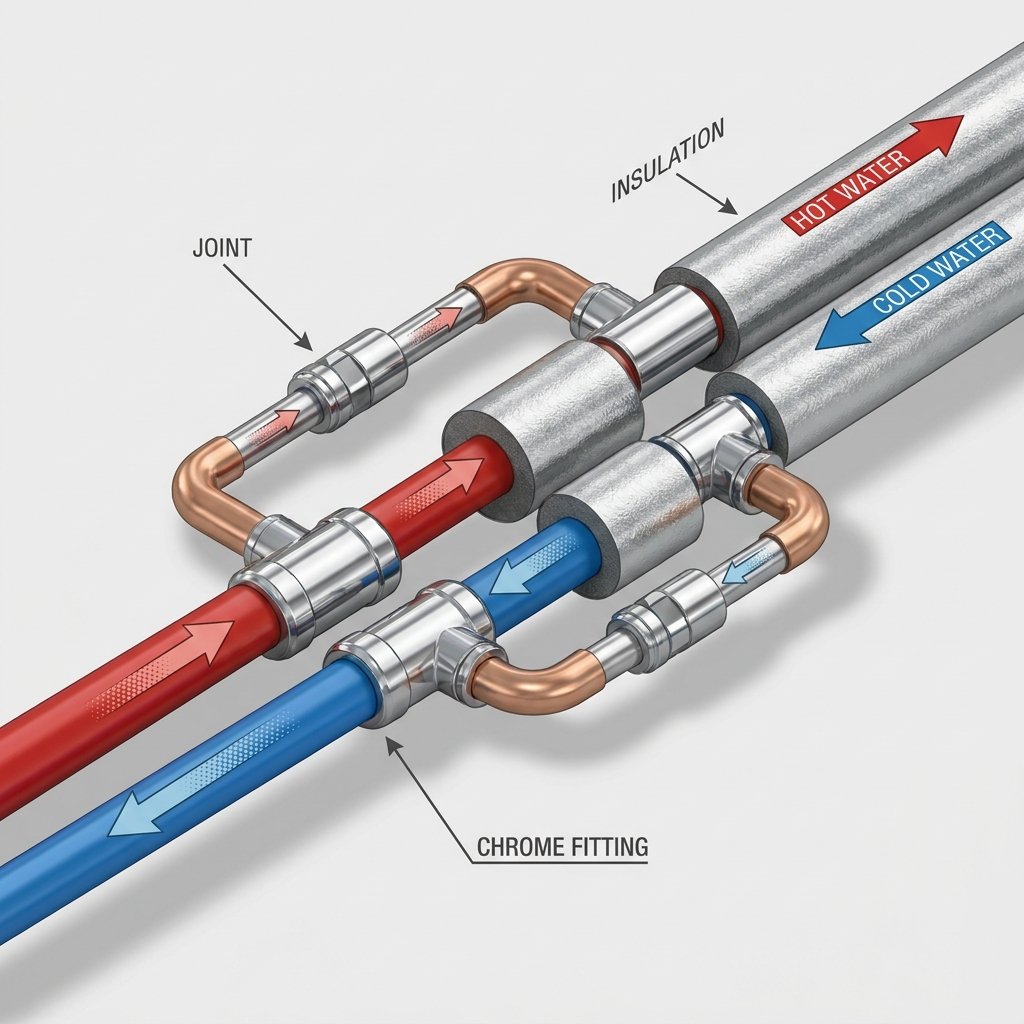
Hot and cold water pipe tracing is a specialized diagnostic process used to map the exact pathways of hidden water supply lines. Instead of relying on old blueprints or guesswork, technicians use specialized instruments to trace the physical trajectory of copper, plastic, or multi-layer pipes embedded within the building structure.
This process involves introducing traceable signals into the plumbing network. For instance, thermal sensors track the heat signature radiating from hot water lines, while acoustic or electromagnetic equipment can detect the location of metallic and non-metallic cold water pipes. By accurately identifying where these lines run, property owners can pinpoint issues like hidden leaks, structural dampness, or underfloor heating faults with high accuracy before any excavation takes place.
Why Landlords Need a Reliable Guide to Pipe Maintenance
Managing rental properties requires a proactive approach to maintenance. For those responsible for residential or commercial tenancies, unexpected plumbing failures can quickly escalate into tenant disputes, lost rental income, or structural deterioration.
A reliable landlords guide to property care emphasizes prevention and non-destructive testing. When a tenant reports a damp patch or a drop in water pressure, a landlord must act quickly but efficiently. Instructing a team to perform systematic tracing ensures that the root cause of the problem is identified without destroying floors or disrupting the tenants’ daily lives. Furthermore, having a documented map of the plumbing layout protects the long-term asset value of the property and provides clear evidence if insurance investigations are required.
Who Needs This Service?
Hidden water line tracking is not limited to a single type of property. Various owners and managers routinely require professional diagnostics to resolve structural and plumbing mysteries:
- Homeowners: Facing mysterious water loss, damp floors, or unexplained drops in boiler pressure.
- Landlords and Property Managers: Responsible for maintaining multiple units, preventing water ingress problems, and minimizing tenant disruption.
- Commercial Properties: Managing large-scale facilities, office blocks, or retail units where a single leak can halt business operations.
- Insurance Investigators: Requiring clear, empirical proof of a hidden plumbing failure before approving coverage for water damage repairs.
Benefits and Important Features of Professional Tracing
Investing in accurate pipe mapping provides several practical advantages for property maintenance:
Non-Destructive Identification
The primary feature of modern tracing is its non-invasive nature. Technicians can view through solid concrete slabs, ceramic tiles, and plastered walls using electronic equipment. This prevents the need for exploratory drilling or hammering.
Prevention of Widespread Water Damage
Catching a hidden leak early stops water from pooling under floors, which can weaken concrete foundations or cause steel reinforcements to rust.
Accurate Repair Planning
Knowing exactly where a pipe runs means that if a repair is necessary, only a small, localized section of the wall or floor needs to be opened up. This lowers restoration costs significantly.
How the Tracing Process Works
A standard hot and cold water pipe tracing investigation follows a logical, step-by-step methodology to ensure no detail is missed.
1. Initial Assessment and Pressure Testing
The technician begins by checking the overall pressure of the plumbing system. If a pressure drop is observed when the main valves are isolated, it confirms that water is escaping from the system.
2. Thermal Imaging Analysis
To track hot water lines and underfloor heating loops, an infrared camera is used. As hot water passes through the pipes, the heat conducts through the floor or wall surface, creating a distinct visual pathway on the thermal screen. This quickly highlights any areas where hot water is escaping and pooling.
3. Acoustic and Electromagnetic Tracking
For cold water lines, which do not emit a heat signature, technicians often introduce a safe trace gas or use acoustic listening devices. These instruments pick up the specific sound frequencies generated by water moving through a pipe or escaping under pressure from a fracture.
4. Precision Mapping
Once the pathways are identified, the technician marks the layout directly on the surface or creates a digital map, providing a reliable reference for any subsequent repair work.
Local Experience and Area Knowledge in Cyprus
Plumbing challenges in Cyprus are uniquely shaped by regional building practices and environmental factors. Most local properties feature solid concrete frame constructions with brick infill walls, and floors are typically finished with thick concrete screeds, ceramic tiles, or marble.
Because pipes are frequently cast directly into these dense concrete slabs (often using a “pipe-in-pipe” system), a leak can travel a long distance horizontally before showing up as dampness on a wall. Additionally, the local climate leads to high seasonal expansion and contraction forces, which can stress pipe joints over time. Working with professionals who understand these local construction methods ensures that investigations are handled with the appropriate equipment and context.
Service Areas Covered
Comprehensive diagnostic services are available across key regional districts, ensuring prompt response times for residential, commercial, and rental properties:
- Nicosia (Strovolos, Lakatamia, Aglantzia, and surrounding areas)
- Larnaca (Aradippou, Livadia, and coastal zones)
- Limassol
- Paphos
Frequently Asked Questions
What causes hidden leaks in hot and cold water supply lines?
Leaks often develop due to age, material degradation, poor initial installation, or mechanical stress caused by shifting ground and thermal expansion. In local properties, concrete movement can also put pressure on joints, leading to pinhole cracks.
Can you trace plastic or PEX pipes as easily as copper?
Yes. While copper pipes conduct heat and sound differently than plastic, modern thermal imaging and acoustic gas tracing methods can successfully map both metallic and non-metallic plumbing lines without difficulty.
How do I know if I have an underfloor heating fault or a standard pipe leak?
An underfloor heating fault usually presents as a drop in the pressure gauge of the heating manifold or boiler, often accompanied by localized warm or damp patches on the floor. Standard pipe tracing can distinguish between the heating loops and your main domestic hot or cold water supply lines.
Will this investigation help with insurance claims for water ingress?
Yes. Insurance providers usually require clear, professional validation before approving claims for hidden water damage. A detailed tracing report provides the objective evidence needed to show exactly where the structural water ingress originated.
Conclusion
Understanding the layout of your property’s plumbing system is the first step toward effective maintenance and damage prevention. Whether you are dealing with persistent damp problems, suspected underfloor heating faults, or hidden leaks behind masonry, hot and cold water pipe tracing provides Landlords the clarity you need to make informed decisions.
Taking a precise, non-destructive approach protects your building’s structural integrity and keeps your repair costs manageable. If you suspect an issue within your property’s hidden pipework, arranging a professional site inspection will give you a clear, factual overview of your system’s condition.