A blocked drain can disrupt everyday activities, whether it affects a kitchen sink, bathroom shower, toilet, or outdoor drainage pipe. Water may begin draining slowly, unpleasant smells can develop, or wastewater may return through a fixture. Understanding what causes drainage problems helps property owners recognize when an inspection is necessary.
In Cyprus, drainage systems can be affected by grease deposits, hair, soap residue, tree roots, and damaged pipework. These problems may develop gradually, making early symptoms easy to overlook.
At ChillouthomeServe, drainage investigations can also involve related plumbing concerns. For example, Leak Detection: How Are Hidden Water Leaks Found in Walls and Floors? explores how concealed pipe problems are investigated, while Common Shower Plumbing Problems and Solutions addresses bathroom drainage and water-flow difficulties.
Other property maintenance concerns, such as Boiler losing pressure Cyprus, Boiler not heating Cyprus, Boiler Servicing, Leaking Tap Repair, Dripping Tap Repair, and Mixer Tap Repair, may require separate plumbing assessments.
Building maintenance can also involve Commercial HVAC maintenance Cyprus, HVAC water leak Cyprus, HVAC repair Cyprus, and HVAC service Nicosia. Although these services involve different systems, understanding the source of a water-related problem is important before carrying out repairs.
What Causes a Blocked Drain?
A drain becomes blocked when materials accumulate inside a pipe or when physical damage prevents wastewater from flowing normally.
The cause often depends on the location of the blockage and how the drainage system is used.
1. Grease and Food Waste
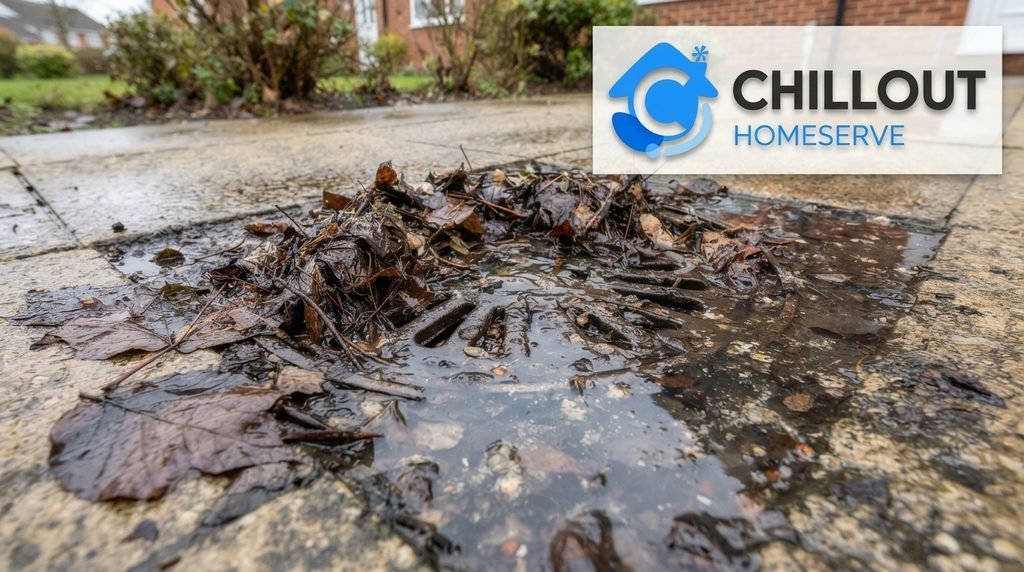
Kitchen drains frequently develop blockages when cooking oils, grease, and food particles enter the pipework.
Grease can cool and cling to internal pipe surfaces. Over time, additional debris collects around these deposits, reducing the available space for wastewater.
2. Hair and Soap Residue
Bathroom drains commonly collect hair, soap residue, and other materials washed away during bathing.
These substances can combine into a dense obstruction around shower traps and waste pipes.
Slow drainage is often one of the earliest symptoms.
3. Foreign Objects Inside Pipes
Small objects, excessive toilet paper, wipes, and unsuitable sanitary products can obstruct drainage pipes.
Even products described as flushable may not break down quickly enough in some drainage systems.
4. Tree Root Intrusion
Outdoor drainage pipes may be affected by tree roots entering through joints, cracks, or damaged sections.
Roots can restrict water flow and trap other debris. In some cases, the affected pipe requires repair after the obstruction has been removed.
5. Damaged or Misaligned Drainage Pipes
A blockage is not always caused by accumulated waste.
Cracked pipes, displaced joints, collapsed sections, and inadequate pipe gradients can interfere with normal drainage.
Repeated blockages in the same location may indicate an underlying structural problem.
Why Do Property Owners Arrange Drainage Inspections?
Many homeowners initially notice a minor inconvenience, such as water taking longer than usual to leave a sink.
However, recurring drainage problems may indicate that an obstruction remains deeper within the pipework.
A drainage inspection helps determine whether the problem involves a localized blockage, damaged pipe, or a larger drainage network.
Property owners often arrange an assessment when they experience:
- Slow-draining sinks, baths, or showers
- Recurring toilet blockages
- Wastewater returning through drainage outlets
- Unpleasant smells near drains
- Gurgling noises from connected fixtures
- Damp ground around underground drainage pipes
- Repeated blockages despite previous cleaning
Identifying the cause is important because different drainage problems require different methods of treatment.
Who May Need Drainage Services in Cyprus?
Drainage investigations can be relevant to different types of property owners and building managers.
Homeowners
Residential drainage systems experience regular use from kitchens, bathrooms, toilets, and household appliances.
Homeowners may require assistance when wastewater stops flowing normally or when repeated blockages affect daily routines.
Landlords
Landlords may need drainage inspections when tenants report recurring blockages, unpleasant smells, or wastewater backing up.
Understanding the cause helps determine whether the issue involves routine maintenance or damaged infrastructure.
Property Managers
Property managers responsible for apartment buildings or shared residential developments may encounter drainage problems affecting multiple units.
Investigations can help identify whether the obstruction is located in an individual branch pipe or a shared drainage line.
Commercial Property Operators
Restaurants, offices, and other commercial buildings may experience drainage problems associated with frequent water use and accumulated waste.
The appropriate maintenance approach depends on the property’s drainage layout and operating requirements.
Insurance-Related Investigations
When drainage defects contribute to water damage, an investigation may help document the condition of affected pipes and identify the likely source of the problem.
Photographs, inspection findings, and repair records may support further assessment, depending on the insurer’s requirements.
Benefits of Identifying Drainage Problems Early
Investigating drainage difficulties before they become more extensive can provide several practical benefits.
Improved wastewater flow: Removing an obstruction allows wastewater to move through the affected pipe more freely.
Reduced recurring problems: Identifying the underlying cause may help prevent the same blockage from returning.
Better pipe condition awareness: Inspections can reveal cracks, displaced joints, or root intrusion that would otherwise remain concealed.
Reduced risk of wastewater overflow: Addressing restricted drainage can lower the likelihood of backups caused by that obstruction.
More informed repair decisions: Knowing the location and nature of the defect helps determine whether cleaning, repair, or replacement is appropriate.
These benefits depend on the condition of the drainage system and the method used to address the problem.
How Is a Blocked Drain Cleared?
The appropriate clearing method depends on the type of obstruction, its location, and the condition of the pipe.
Step 1: Initial Drainage Assessment
A drainage specialist examines the affected fixtures and asks about the symptoms.
They may check whether the problem affects one outlet or several connected drains. This helps identify whether the obstruction is likely to be local or within a shared drainage pipe.
Step 2: CCTV Drain Inspection
When the cause is unclear or blockages repeatedly return, a CCTV drain inspection may be appropriate.
A small camera is passed through accessible drainage pipework to examine internal conditions.
This can help identify root intrusion, accumulated debris, damaged joints, and collapsed pipe sections.
Learn more about CCTV Drain Inspection Services available through ChillouthomeServe.
Step 3: Drain Cleaning and Blockage Removal
Depending on the findings, specialists may use mechanical drain-cleaning equipment or high-pressure water jetting.
Mechanical tools can break up or remove certain obstructions. Water jetting can help dislodge grease, sludge, and debris from suitable pipes.
The method must be appropriate for the pipe material and condition to avoid causing additional damage.
Step 4: Checking Drainage Flow
After clearing the obstruction, the technician checks whether wastewater flows normally.
If the blockage was associated with damaged pipework, further repairs may be necessary.
Local Drainage Experience and Property Conditions in Cyprus
Drainage systems in Cyprus vary according to property age, building design, pipe materials, and maintenance history.
Older residential properties may contain pipework that has been repaired or modified over time. Apartment buildings can have shared drainage connections, while detached houses may have longer underground pipe runs.
Outdoor drainage systems may also be affected by soil movement, vegetation, and tree roots.
In coastal areas such as Larnaca, Limassol, and Protaras, property conditions and maintenance requirements can differ from those of inland locations.
A drainage investigation should consider the individual building rather than assume that every blockage has the same cause.
ChillouthomeServe provides plumbing, drainage, and related property maintenance services across Cyprus.
chillouthomeserve.com
Drainage Service Areas Covered in Cyprus
ChillouthomeServe identifies the following locations among its service areas:
- Nicosia: Strovolos, Lakatamia, Anageia, and surrounding communities.
- Larnaca: Aradippou, Oroklini, Kiti, Pervolia, and nearby areas.
- Limassol: Residential neighborhoods and surrounding communities.
- Protaras: Coastal residential and holiday properties.
- Paralimni: Residential developments and nearby communities.
The company also describes wider service coverage across Cyprus.
chillouthomeserve.com
Related Plumbing and Property Maintenance Services
Drainage problems sometimes occur alongside other water-related concerns, although they do not necessarily share the same cause.
For example, persistent dampness may require Leak Detection Services to investigate concealed water pipes.
Properties experiencing heating problems may need a separate Boiler Servicing assessment, particularly where pressure loss or heating faults are involved.
Water dripping from air-conditioning equipment may involve a condensate drainage problem rather than a blocked household waste pipe. An appropriate HVAC inspection can help distinguish these issues.
Identifying the affected system avoids unnecessary work and supports more appropriate maintenance decisions.
Frequently Asked Questions About Blocked Drains
What is the most common cause of a blocked drain?
Common causes include grease, food particles, hair, soap residue, wipes, and other debris accumulating inside drainage pipes. Outdoor drains may also be affected by tree roots or structural damage.
How do professionals clear blocked drains?
Drainage specialists assess the obstruction and may use mechanical cleaning equipment, high-pressure water jetting, or other methods suited to the pipe. CCTV inspection can help locate recurring or concealed problems.
Can a blocked drain cause water damage?
Yes. A severe blockage can cause wastewater to overflow from toilets, sinks, or drainage outlets. Depending on the location, this may damage flooring, walls, or surrounding materials.
Why does my shower drain keep blocking?
Repeated shower blockages often involve hair and soap residue. However, recurring problems may also indicate an obstruction farther along the waste pipe or an issue with the drainage layout.
When is a CCTV drain inspection necessary?
A CCTV inspection may be useful when blockages return frequently, several fixtures are affected, or damaged underground pipes are suspected.
Conclusion
Blocked drains can develop from everyday waste accumulation, root intrusion, or damaged drainage pipes. Although the symptoms may appear similar, the appropriate solution depends on identifying the underlying cause.
For homeowners, landlords, and property managers in Cyprus, timely drainage assessments can help restore wastewater flow and clarify whether further repairs are necessary.
ChillouthomeServe provides drainage and plumbing services in Nicosia, Larnaca, Limassol, Protaras, Paralimni, and surrounding areas.
For recurring blockages or concerns about damaged drainage pipes, visit ChillouthomeServe to discuss the symptoms and arrange an appropriate assessment.